
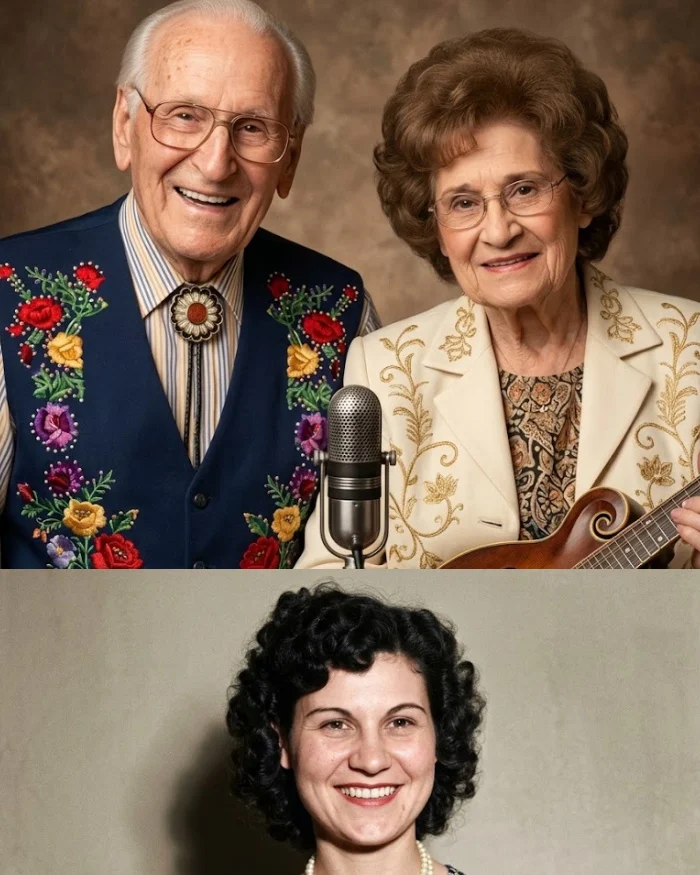
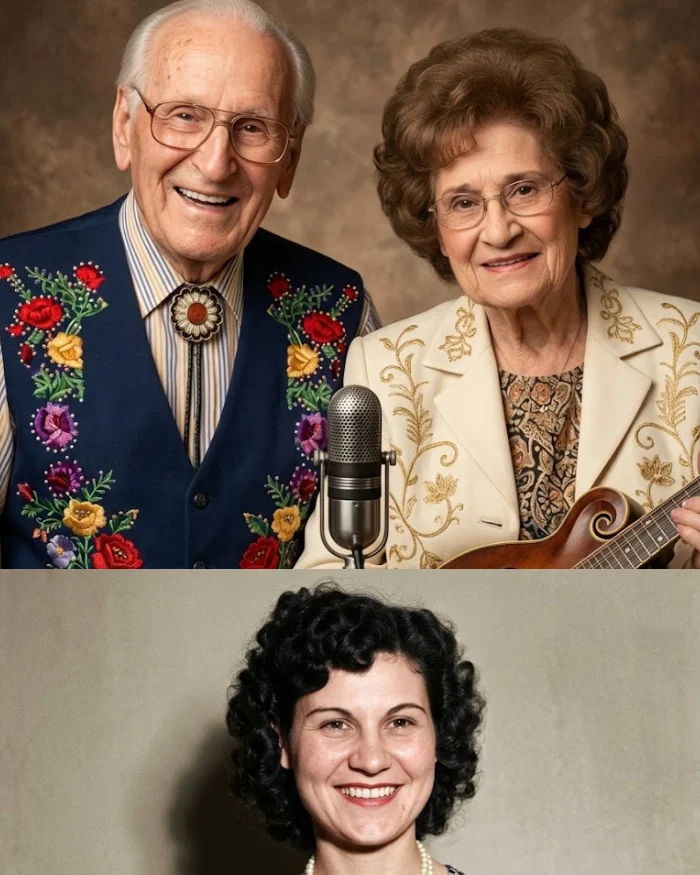
🧺 In 1952 Kitty Wells stood in a Nashville studio with a quiet heart and tired hands and sang a line that would crack open the country music industry.
She did not chase fame that day. She wanted the eighteen dollar session fee and a washing machine that could spare her from scrubbing diapers on a washboard.
By then country music had built a wall around women. Female singers could support male stars or stay in family acts. They were not supposed to carry a hit on their own.
Wells had tried for years and felt close to quitting. Her husband Johnnie Wright saw one small chance. Decca Records needed a woman to answer Hank Thompson’s hit ‘The Wild Side of Life’.
That song blamed women for broken homes. Songwriter J.D. Miller wrote ‘It Wasn’t God Who Made Honky Tonk Angels’ to push back against that cruel double standard.
It Wasn’t God Who Made Honky Tonk Angels
Wells accepted because the money was practical. Eighteen dollars meant relief for a mother of three children. She entered the studio with dignity and recorded a vocal that sounded like patience turned into power.
The industry tried to silence her. The Grand Ole Opry banned the song. The National Broadcasting Company radio network refused to play it because a woman had named the harm done by men.
But the boycott met a different force. Women listeners flooded local radio stations with requests. Jukebox operators saw coins pour into machines as working mothers heard their own pain honored in song.
Sales grew through living rooms, kitchens, taverns, and radio requests. The single reached Number One on Billboard country charts and stayed there for six consecutive weeks.
Kitty Wells became the first solo female country artist to lead the charts. She proved women could sell records and opened doors for every singer after her.
She later became the Queen of Country Music yet her legend began with a mother who wanted clean hands and a little more time with her children.