
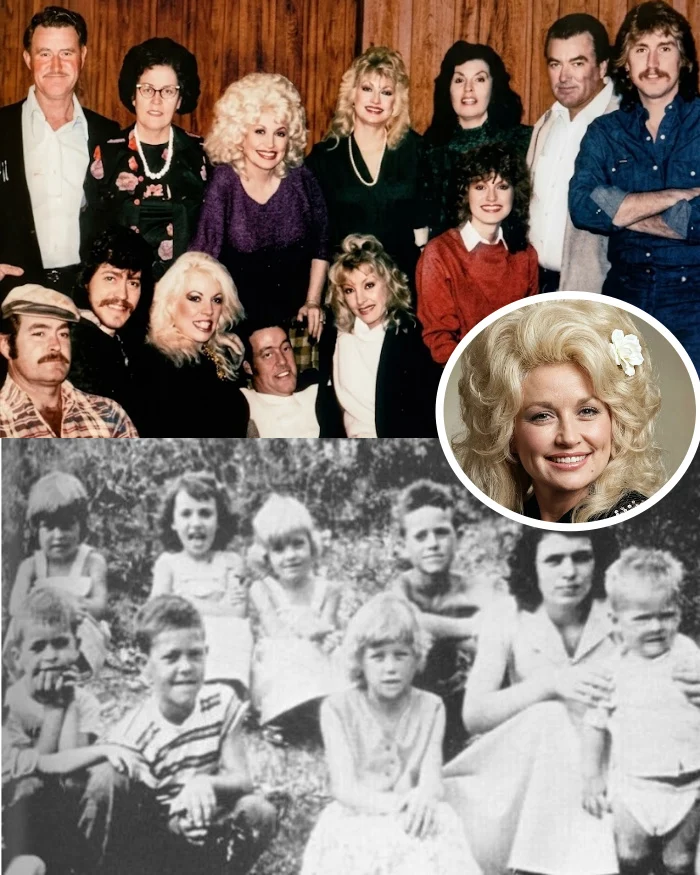
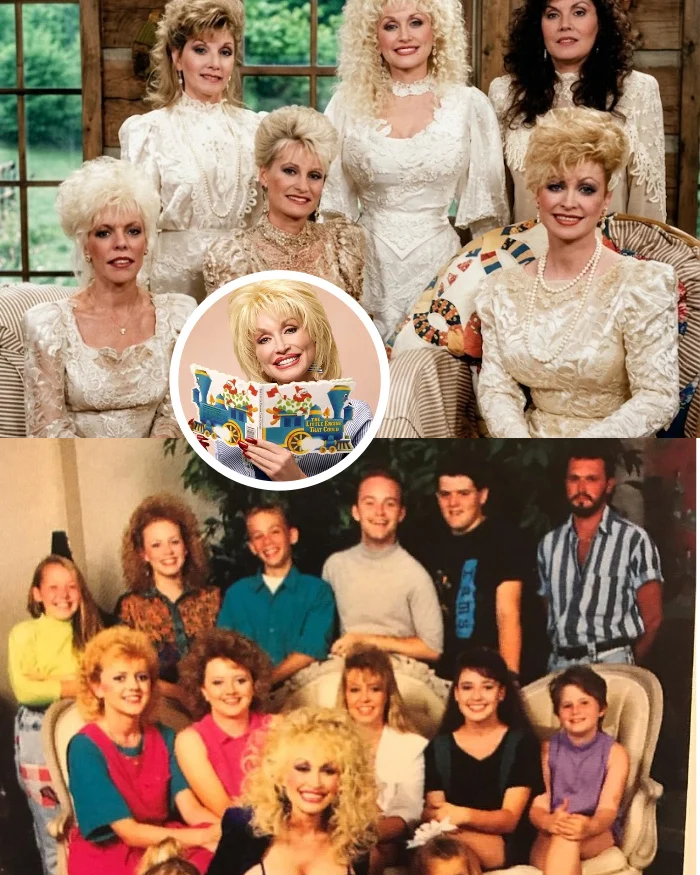
Before the rhinestones and global fame, Dolly Parton stood in a cold Smoky Mountains cabin with eleven siblings and a vow that hunger would not follow her family forward.
She was the fourth of twelve children born in East Tennessee, and her father, Robert Lee, paid the doctor who delivered her with a bag of cornmeal. That image stayed with her long after her voice carried her to Nashville.
When she left for Nashville the morning after her high school graduation in 1964, she carried a cardboard suitcase and a private promise. She wanted the next generation of Partons to build lives without the crushing fear of poverty.
As her songs, royalties, and business ventures grew, she quietly turned success into a protective foundation for her extended family. She did not treat her relatives like recipients of charity. She helped them stand on their own.
She quietly funded college tuition for dozens of nieces and nephews. With her support, they earned degrees in fields such as education, business, and law without carrying heavy student debt.
She also gave relatives the startup capital they needed to open restaurants, woodworking shops, and independent art projects in East Tennessee. Her backing allowed them to work for themselves with pride instead of begging for help.
Because she and her husband Carl Dean never had children of their own, Parton embraced her niece-babies and nephew-babies as a matriarch. She offered them stability, encouragement, and the chance to choose their own paths.
Her companies also became family workplaces. When Dollywood opened in 1986, it did more than entertain visitors in Pigeon Forge. It gave relatives steady, well-paying roles, including her late brother Randy and other siblings who helped keep the park grounded in authentic family history.
When illness or emergency touched the Parton clan, she often stepped in without making a scene. She covered hospital bills so a medical crisis would not tear apart a household.
Parton knew what it meant to grow up with patched clothing and bare cupboards. She had written about that life and made it part of American music history. But she refused to let it become the future for the people who shared her last name.
The most lasting gift she gave her family was not money alone. It was dignity.
For Dolly Parton, a diploma held by a niece or a small business opened by a nephew carried more meaning than any platinum record. She used her spotlight to rewrite her family’s story, replacing hunger with opportunity and fear with freedom.