
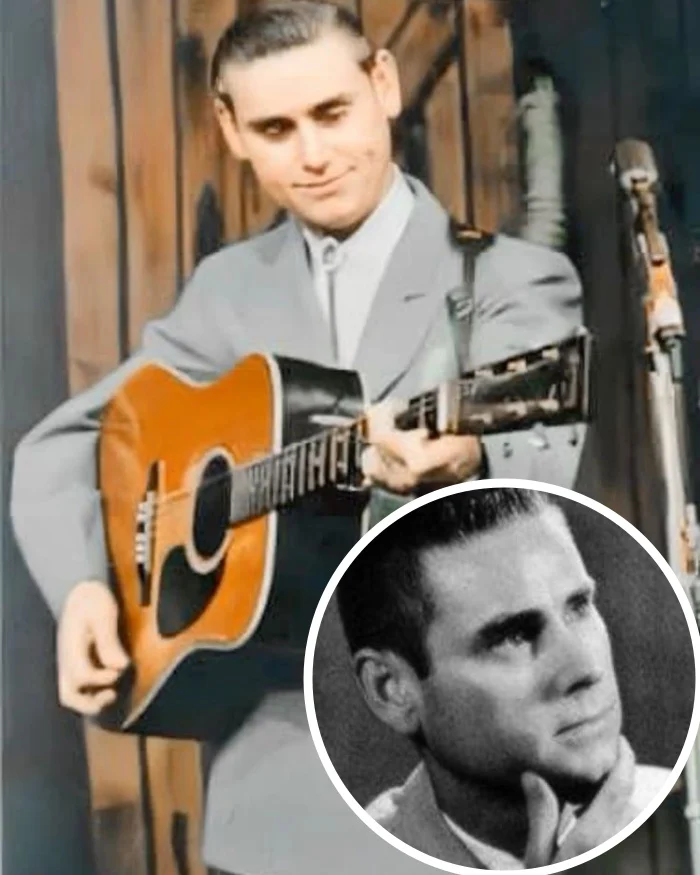
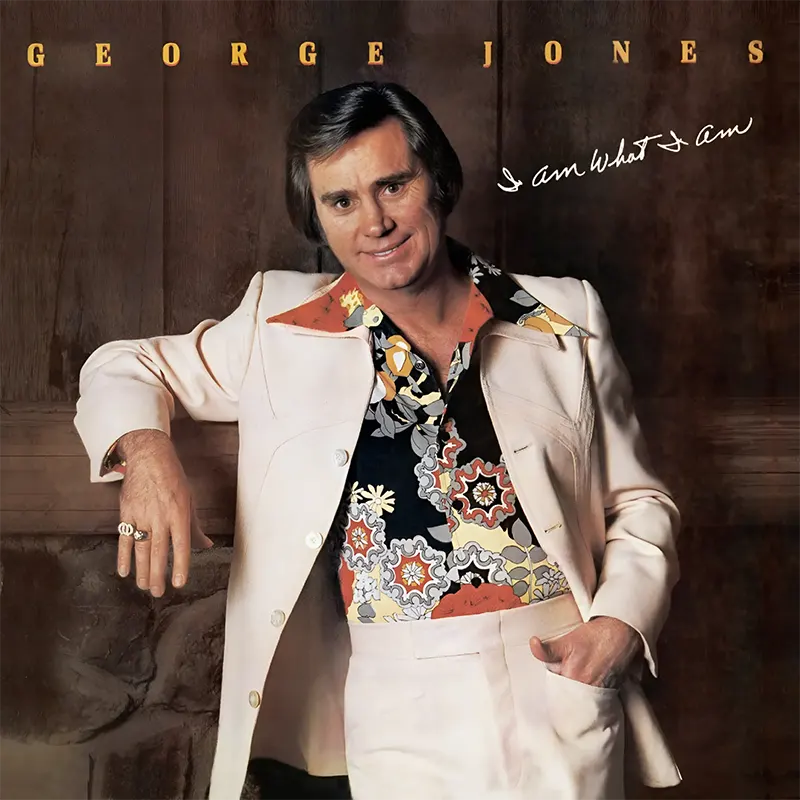
George Jones made heartbreak sound like a grin while it ran at full speed.
The song The Race Is On begins bright and fast, with fiddle dust and a rhythm that feels like Saturday night moving toward somewhere.
On the surface it is clever country music, a breakup dressed as a horse race, sorrow turned into something a listener can tap a boot to.
Then George Jones sings, and the grin cracks.
That was his gift. He could take a playful frame and let the bruise show beneath every line.
He did not need to slow the song or ask for pity. He could sing heartbreak at speed and make it cut deeper.
The record is not only about losing love. It is about surviving the shame of being left behind.
It sounds like a man pretending the whole thing is a contest because plain truth would be too painful.
The heart is not broken quietly. It runs in public, stumbles before a crowd, and tries not to show the blood.
That is what George Jones understood.
He knew country music could carry pain in motion. Sometimes hurt wore a smile. Sometimes it arrived with a fiddle break. Sometimes it sounded like a jukebox in a crowded bar while one man stood there acting fine.
For about three minutes, The Race Is On gave that man a voice.
Jones had a voice that made wordplay feel lived in. He could bend a phrase enough to make a listener lean closer. He could place ache in one syllable and pride in the next.
He sang as if heartbreak does not always arrive gently.
Sometimes it kicks the door open.
The power comes from contrast. The band moves forward. The words race. The melody smiles. Underneath it all, someone has already lost.
That is where the ache lives.
You can picture a neon sign buzzing, a sweating glass, someone laughing too loudly, and George Jones coming through the speaker with charm and hurt at once.
Nobody announces that something sad is happening.
The song already knows.
For fans, the record became more than a signature song. It became proof that country music could hide tears inside motion.
It could take the oldest hurt, loving someone who no longer chooses you, and turn it into something sharp, fast, and almost too catchy for its own sorrow.
That is why it still lands.
Most people have tried to joke through pain. Most people have smiled when they wanted to disappear. Most people have walked away from a private wreck with their head up, hoping nobody could see how badly they had been hit.
George Jones could tell.
He always could.
His version still feels alive because it understands a truth many people never say.
Sometimes the saddest songs are not the slow ones.
Sometimes heartbreak runs.
He made the whole room hear a heart trying to outrun the truth.