
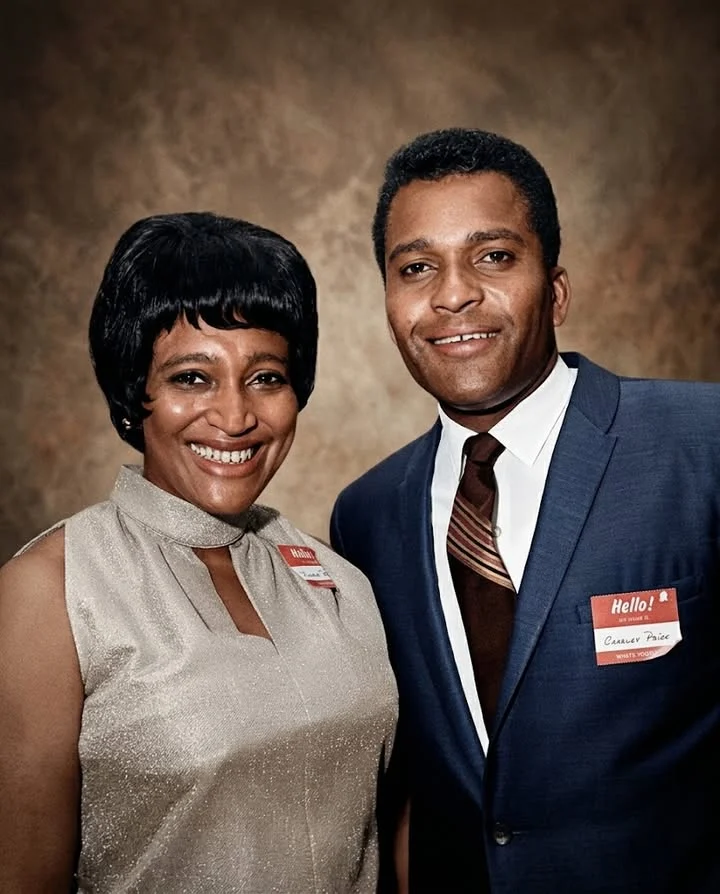
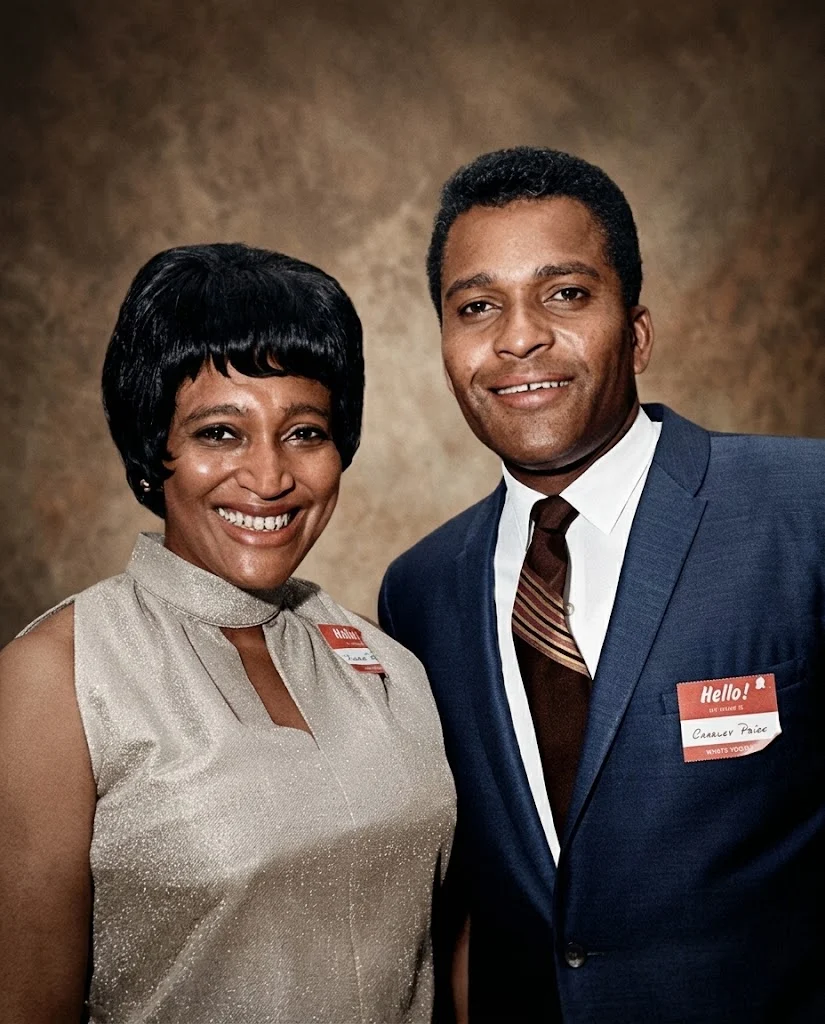
Long before the Grand Ole Opry lights glowed around Charley Pride, his voice survived in cramped rooms and cold Montana kitchens because one woman refused to doubt it.
In 1956, Ebby Rozene Cohran met Charley Pride in Memphis while he pitched for the Memphis Red Sox in the Negro American League. The pay was thin, the bus rides were long, and segregated Southern towns offered little certainty. Friends warned Rozene that a ballplayer’s life could drain a marriage quickly. She saw discipline, warmth, and promise instead. The couple married on December 28, 1956, and began their life in a modest rented apartment with almost no money.
Arm injuries later ended his major league baseball hopes. The loss struck deeply. Yet Rozene recognized another gift carried from Sledge, Mississippi, a rich baritone voice that he practiced on team buses and in quiet locker rooms. She urged him to give music serious attention.
The young family moved to Helena, Montana. Pride worked grueling shifts at the Asarco lead and zinc smelter, played semi-pro baseball, and sang in small clubs after dark. Rozene managed tight household bills, kept the home steady, and helped him organize songs for demo recordings.
She helped finance and coordinate his earliest home and studio demo tapes in Montana, making sure his raw vocal delivery sounded clear enough for industry contacts. Those Helena recordings drew attention from visiting country stars Red Foley and Red Sovine, who encouraged Pride to travel to Nashville for an audition.
When Pride reached Music City in the mid-1960s, producer Jack Clement and RCA Victor executives heard authority in his voice. That belief became a landmark recording contract in 1965.
Charley Pride later earned twenty-nine number-one country hits, fifty-two top-ten hits, a Grand Ole Opry place, and induction into the Country Music Hall of Fame. He became the first Black superstar of the modern country era. Throughout tours, television specials, and accolades, Rozene remained his closest confidante and business manager, overseeing their family enterprise and maintaining a grounded home in Dallas, Texas.
The glittering awards defined Charley Pride’s public legacy, but the true foundation was forged in cold Montana winters by a wife who believed in his talent long before the world heard him sing.