
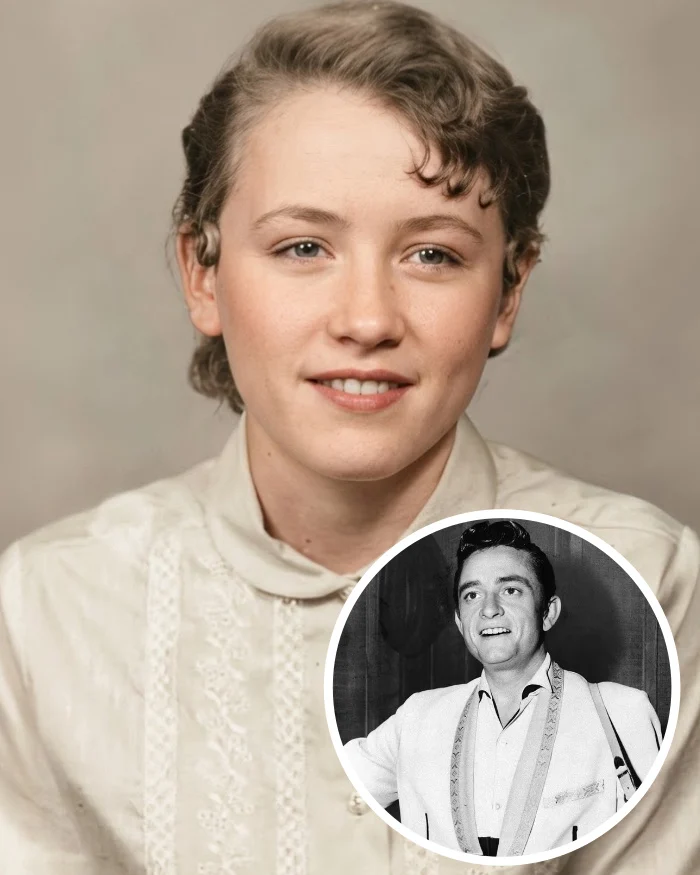
Three encores. The Ryman Auditorium audience was not supposed to give them to a 13-year-old from the Smoky Mountains who had no record deal and no manager. Yet on a Saturday night in 1959, a tiny girl in a homemade dress stood on the historic oak circle and made the most intimidating room in country music roar for her.
Getting into the Grand Ole Opry broadcast was supposed to be impossible. The show ran on a strict live schedule. Established veterans fought for every microphone. There was no empty slot for an unknown teenager who had simply appeared at the back doors of the mother church of country music.
Dolly Parton had a battered acoustic guitar, a homemade dress, and the fierce belief of her uncle Bill Owens. Owens had heard her gift early. He had driven her out of Sevier County again and again, searching for any stage that might listen.
That weekend, one Louisiana-born Opry star named Jimmy C. Newman heard the young girl backstage. He made a generous choice. He gave up one of his own scheduled spots so she could sing.
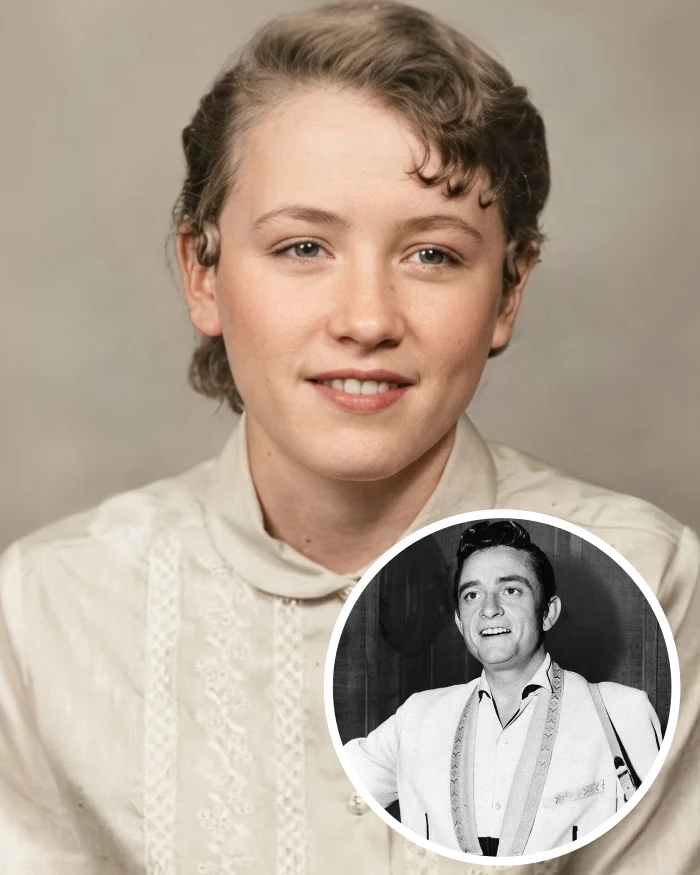
Still, time alone was not enough. The conservative Opry crowd needed a reason to stop and listen. Johnny Cash saw her preparing in the wings. He was already a giant presence in the industry. He stepped to the WSM microphone and used his unmistakable baritone to introduce a name the Ryman had never heard before.
Parton walked out onto the historic oak circle. She was small. The heavy metal microphone stand towered over her. The curved wooden pews were packed with traditionalists who demanded excellence and rarely offered polite applause to amateurs.
She did not sing an original. She launched into George Jones’s upbeat hit ‘You Gotta Be My Baby’. The moment her voice rose, the skepticism in the room evaporated. That high, clear mountain vibrato bounced off the Ryman’s brick walls and reached every corner.
Cash stood quietly in the wings. He watched a teenager with no money and no industry backing take total command of the building.
Then the applause refused to fade. The crowd would not let her leave. She returned to the microphone for three separate encores.
For a girl raised in a one-room cabin without electricity, those encores turned a childhood daydream into a living thing.
Despite the triumph, she could not stay and begin her career that night. She was still a junior high school student. When the weekend ended, she climbed back into her uncle’s car and returned to the quiet mist of Sevier County.
For the next few years, she finished her education, sang on local radio programs, and waited for the morning when Nashville would become her destination instead of a weekend dream.
When she finally packed her bags the day after high school graduation in 1964, she was not a hopeful amateur wondering if she was good enough. She had already felt the hardest room in country music lift her up and demand more.