
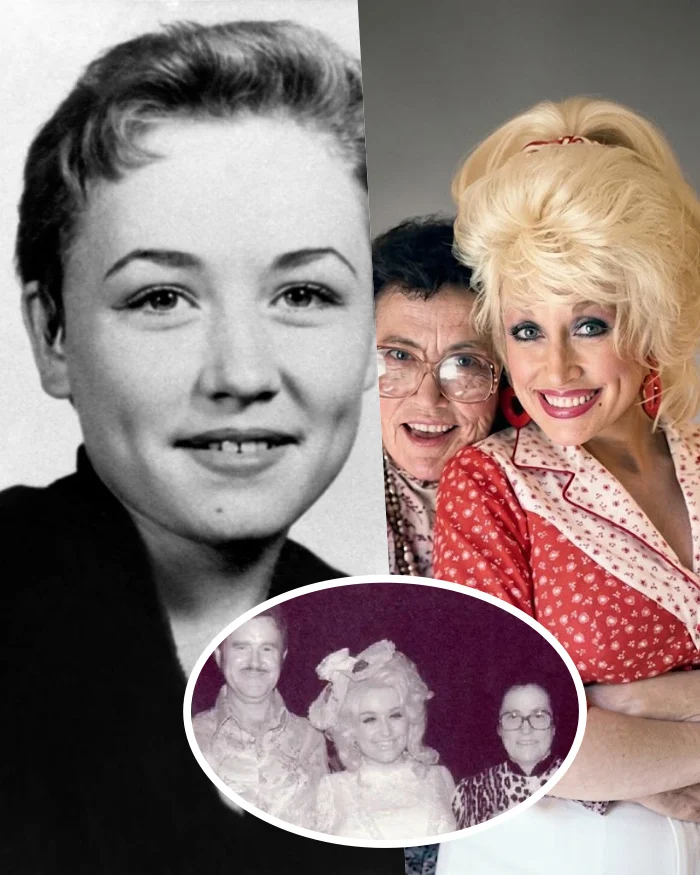
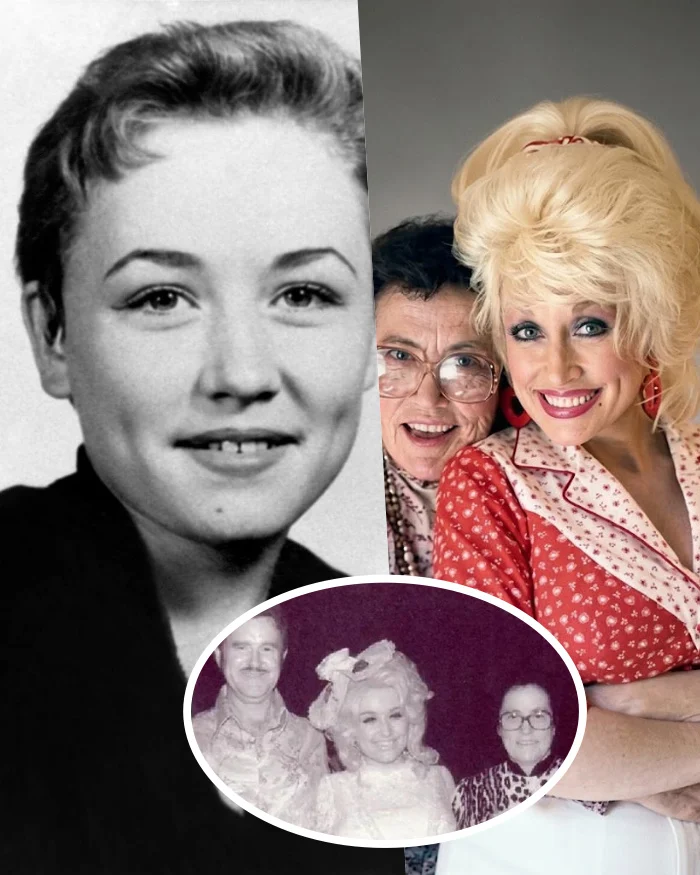
The future of country music once hung by three slender strips of skin over a wooden kitchen table in Locust Ridge Tennessee. Long before rhinestones and stadium lights Dolly Rebecca Parton was a barefoot seven year old and one of twelve children running through the hollows of Sevier County. One summer jump from a rail fence ended on a broken glass jar hidden in the mud. The jagged glass cut through three toes on her right foot and left them dangling by fragile threads of flesh.
In the early 1950s that remote Appalachian cabin beside the Little Pigeon River had no telephone to call for help and no car or cash to bring a doctor over the winding roads. The family was isolated and the danger was immediate. Infection or permanent injury could have taken the girl’s ability to walk before her life had truly begun.
Her mother Avie Lee Parton lifted Dolly onto the wooden kitchen table that anchored their home. With no painkillers and no medical supplies she turned to the mountain remedies she knew. She poured kerosene over the open wound to clean it and fight infection. She packed the cut with dry cornmeal to slow the bleeding and seal the raw flesh.
Then she heated an ordinary sewing needle over the flame of an oil lamp. She threaded it with everyday sewing cord and asked several of Dolly’s older siblings to hold their sister steady. With quiet focus Avie Lee pushed the needle through torn skin and drew the edges together stitch by stitch.
She sang mountain hymns and whispered prayers over the kitchen counter to keep her young daughter conscious through the searing pain.
For weeks Dolly stayed off her feet inside the drafty cabin. Avie Lee dressed the wound with clean rags and watched for fever or gangrene. The damp mountain conditions made healing uncertain but the flesh reconnected and the skin closed. The toes healed in place and Dolly gradually regained her balance. She ran through the hills again and walked without a limp.
Faint uneven scars remained beneath her toes through five decades of international stardom. They traveled with her from the Grand Ole Opry to London’s Royal Albert Hall. Audiences saw the glittering entertainer but Dolly often pointed back to that humble kitchen in Locust Ridge. There a mother’s calm grit and a simple sewing thread kept an extraordinary journey from ending in the mountain mud.