
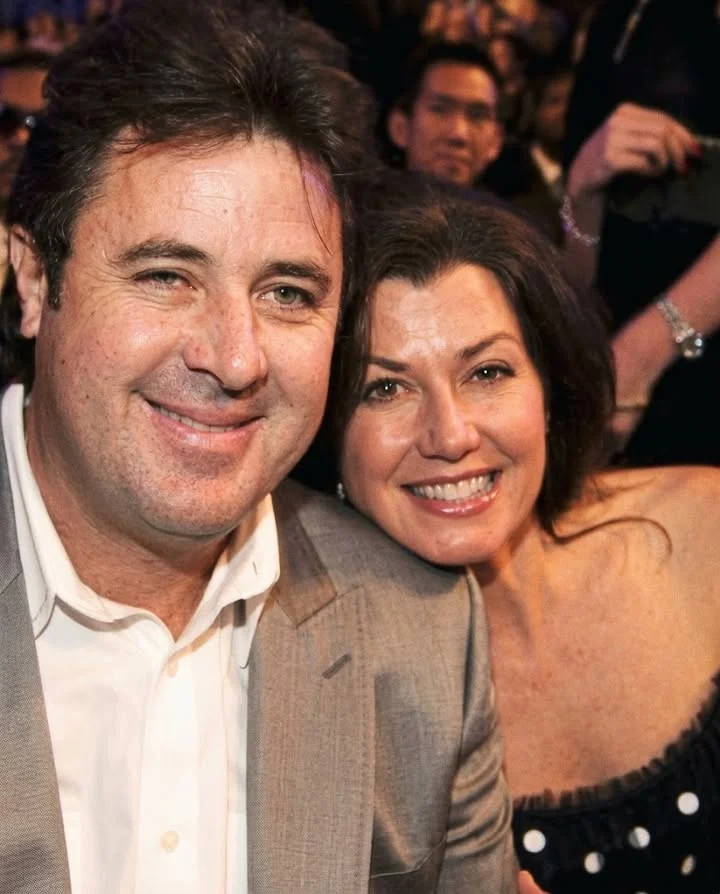
A cracked bicycle helmet became the quiet witness to a July afternoon that nearly stole Amy Grant from the world she had spent decades building.
On a Nashville ride in July 2022, a pothole sent the celebrated singer-songwriter to the pavement and left her unconscious for about ten minutes.
She had worn a protective helmet for an ordinary outing, and that simple choice became the difference between a frightening accident and a fatal one.
The first hope from bystanders and loved ones was that she had only suffered scrapes, but doctors at Vanderbilt University Medical Center soon identified a traumatic brain injury.
Just two years after unexpected open-heart surgery, Grant found herself back in a hospital bed and forced to cancel her highly anticipated fall tour.
The cracked helmet became a piece of evidence no one needed to explain. It showed how violent the fall had been while also proving why she survived to begin the long road ahead.
The helmet was broken, but the woman inside it was not gone.
Her recovery stopped her public life, yet the heaviest burden rested on the people closest to her.
Her husband, country legend Vince Gill, quietly stepped away from his own commitments and canceled upcoming performances to remain by her side.
He became her primary caregiver while she faced the exhausting and unglamorous work of cognitive and physical therapy.
The bright energy fans expected from a stage icon disappeared for a time, replaced by days where basic movements and simple thoughts required painful concentration.
Memory loss became one of the most frightening hurdles, because an artist who had built a legacy with words suddenly struggled to recall familiar names and deeply held memories.
Yet the family remained an anchor through the uncertain weeks, learning to celebrate small milestones that no chart could measure.
When Gill returned briefly to the stage at the Ryman Auditorium a month later, he did not hide the reality of their struggle.
Their daughter Corrina stepped up to the microphone and sang in her mother’s honor, standing in the gap while Grant rested at home.
Each extended conversation without fatigue, each moment of clear recollection, and each deliberate movement became a victory worth protecting.
When Grant finally felt ready to reappear later that winter, the invisible scars of the accident were still present.
She needed a teleprompter to guide her through her own catalog of hits, leaning on the grace of her audience and the steady presence of her husband beside her.
Her return was not a simple comeback. It was a testament to modern medicine, personal grit, and a family that stopped everything to carry her through the silence.
The survival of that July afternoon began with a cracked helmet on a Nashville road, and the true recovery was built by love that refused to look away.