
One terrifying question nearly broke Amy Grant, and one quiet answer helped save her.
She had spent decades filling arenas with her voice, yet in July 2022 she woke in a Nashville hospital fighting to hold her memories. After hitting a pothole near her home, she was thrown from her bicycle and knocked unconscious. Even with a helmet, she sustained a severe traumatic brain injury. The pop and gospel icon who had commanded stages for so long now faced a frightening blank space where once familiar thoughts lived.
The days after the crash brought severe memory loss and cognitive decline. Doctors worked to assess the long-term impact. Grant could not remember the accident itself. Many details of her daily life felt broken. The healing work was not only physical. It was a slow effort to rebuild the mind that had shaped some of the most recognizable pop and contemporary Christian music of a generation.
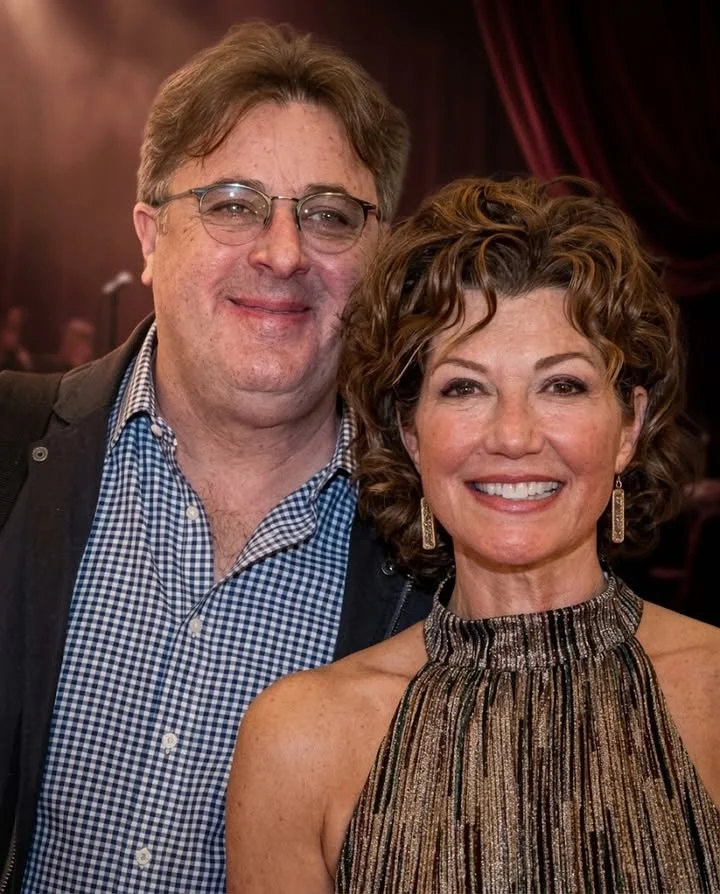
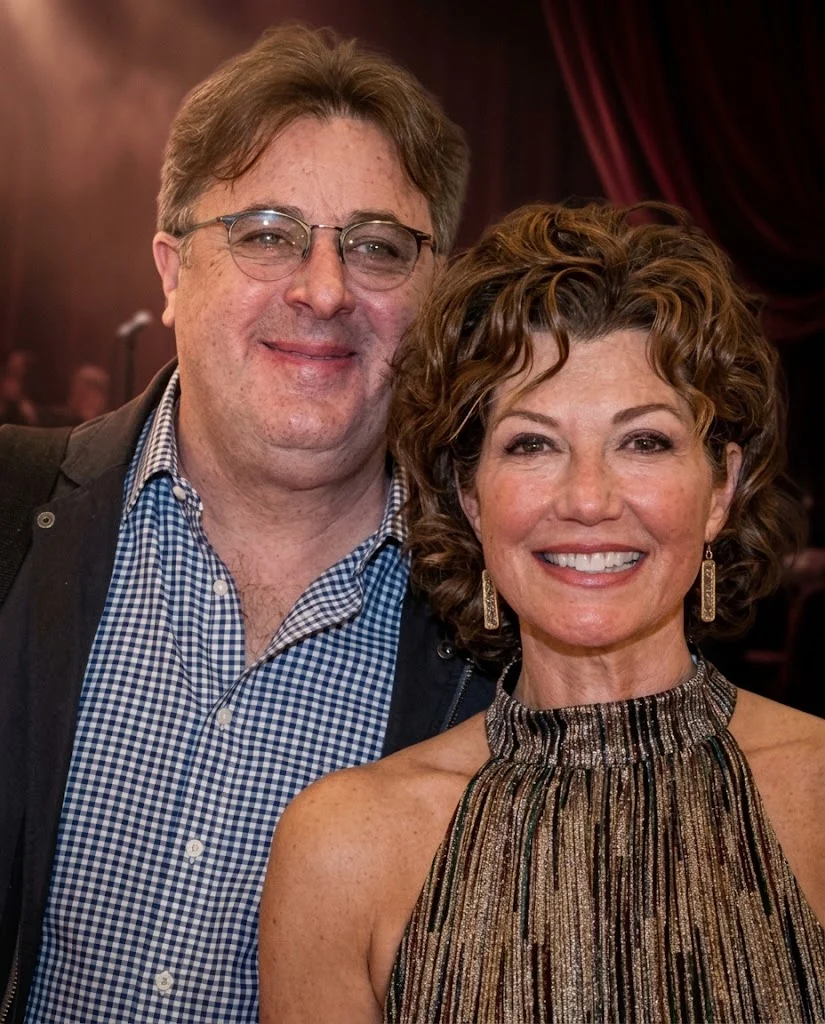
Her husband, Country Music Hall of Famer Vince Gill, made the choice without hesitation. He canceled his upcoming solo performances and cleared his schedule. The spotlight could wait. His wife needed him in the most disorienting chapter of her life.
At her lowest moment, she asked Gill a question that could terrify any artist whose life depended on expression. What would happen if her mind only recovered to that limited point. What if she never returned to the woman she had been.
Gill did not give her empty promises or medical guarantees. He answered in a language they both understood. He told her that if a master musician suffered a stroke, they simply had to play the cards life dealt them. He said he loved the woman in the hospital bed just as much as the superstar on stage. He was staying regardless of how much memory she regained.
“Play the cards life dealt them.”
That acceptance changed the weight in the room. Freed from the pressure to be perfect, Grant began the exhausting work of recovery. She spent months in cognitive therapy, rebuilding stamina and focus. She learned to write things down, take frequent breaks, and manage sensory overload. Reclaiming her voice required patience far beyond the applause.
Returning to her music meant confronting a humbling reality. She could no longer effortlessly recall lyrics she had sung thousands of times. For the first time in her forty-year career, she relied on a teleprompter and accepted help to navigate her own catalog.
Then came the milestone that seemed impossible in the summer. In December, Grant walked the red carpet in Washington, standing beside Gill to receive a Kennedy Center Honor recognizing a lifetime of achievement.
That same winter, she returned to the Ryman Auditorium stage for her annual Christmas residency. Guided by the teleprompter she embraced without shame, she found her voice again. She was not the exact same woman who had ridden her bike that July morning, but she was still standing.
The applause celebrated an extraordinary catalog. The deeper triumph belonged to the quiet hours of rehabilitation and the husband who promised to stay even if the music never came back.