

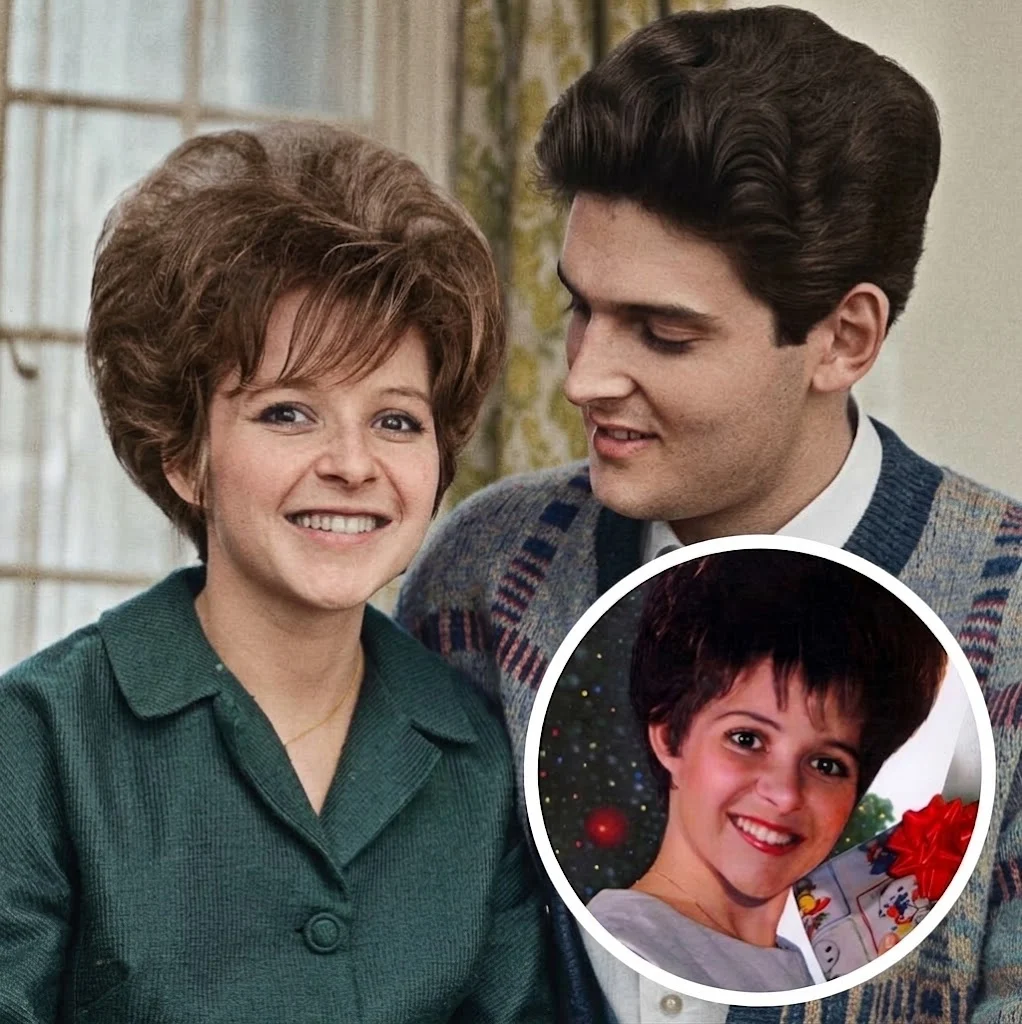
On April 24, 1963, Brenda Lee walked into a church and quietly took back her life. She was 18, already the primary financial asset of a global record label, and still carrying the weight of a family that had depended on her since childhood.
By spring 1963, the singer known as Little Miss Dynamite was an international powerhouse. At four feet nine inches, she had a booming voice and a string of hits that included I’m Sorry and Rockin’ Around the Christmas Tree. Behind the polished teen idol image, however, was a young woman with an immense hidden burden.
Her father had died in a tragic accident when she was only 10. From that point, Lee became the primary breadwinner, working stages and studios to keep her family afloat. Management and the label saw a highly profitable commercial machine. They did not see a teenager who needed a life of her own.
Then came Ronnie Shacklett, a tall and pragmatic local contractor she had met months earlier at a Jackie Wilson concert at the Nashville Fairgrounds Coliseum. When Lee announced her plan to marry him, the pushback was immediate and severe.
Her powerful manager Dub Allbritten warned that a sudden marriage would destroy her carefully curated public image. The industry wanted grueling international touring schedules and the illusion of single availability for her fan base. The warning was blunt.
Marriage would ruin her career
Lee did not bow to the 1960s entertainment formula. On April 24, 1963, she married Shacklett. When he placed the ring on her finger, she was no longer merely a public commodity signing autographs or an exhausted teenager carrying everyone else’s financial expectations. She was taking definitive ownership of her future.
Shacklett gave her something the unforgiving music business never could. He offered a grounded and warm family atmosphere where she was treated simply as a person. Building that normal life required deliberate sacrifices, and he stepped into the line of fire to protect it.
He saw that the industry was full of executives eager to exploit a young woman’s earnings. So he established rigid and uncompromising boundaries around their personal world. Shacklett refused to relocate to Los Angeles or New York, keeping their daily lives rooted in the quiet suburbs of Nashville.
Eventually he took over the grueling task of auditing her contracts and managing her complex finances. He willingly became the combative bad guy in the boardroom so his wife would never have to be. Most importantly, he separated her career from their front door.
Label executives and industry demands could not interrupt family dinners or weekend routines. When the couple welcomed their two daughters, Jolie and Julie, the Nashville house became an impenetrable fortress against the music business. Because of those quiet lines drawn in the sand, Lee was free to pull back from the relentless international touring circuit.
She willingly sacrificed potential career milestones and massive paychecks to prioritize a normal domestic life. School plays and quiet holidays mattered more than industry parties. Her marriage became a permanent resignation from being everyone’s property.
Through more than six decades together, the cheerful face of the wife standing beside her husband in photographs was never a public relations move. It was the look of a woman who knew she was entirely safe. The industry had warned her that walking down the aisle would ruin everything she had built.
Instead, finding a man willing to stand between her and the crowd is exactly what allowed her to survive it. Shacklett’s quiet protection did not erase her stardom. It gave her something more durable, a private life that the music business could not control.