
A Six Year Old Left Alone In Raleigh Refused To Let Abandonment Define The Family He Would One Day Build
The relatives had gone home and Ronnie Milsap remained in an unfamiliar place hundreds of miles from everything he knew. He was blind and he had no way to be sure they would come back for him. For a child who had already been told his own mother did not want him the goodbye felt painfully familiar.
Ronnie was born in 1943 near Robbinsville in North Carolina with severe visual impairment. Before he could understand blindness or the harsh beliefs attached to it his life had already been shaped by rejection.
He later learned the explanation from his father and his uncle. They told him his mother believed a blind child brought disgrace and she saw his condition as a punishment from God. The family account stayed with him into adulthood and framed the way he understood his earliest years.
At about one year old he went to live with his grandparents in the mountains of western North Carolina. Their small home in the Smoky Mountains had no electricity and no indoor plumbing and poverty made every part of daily life harder. Raising a blind child there demanded patience and invention.
Yet love is what Ronnie remembered most clearly from that house. His grandparents took him to church where he discovered an extraordinary gift for remembering music after hearing a melody only a few times. At night a battery powered Philco radio pulled distant stations into the home and he absorbed songs long before he grasped how far those voices had traveled.
At six he was sent to the State School for the Blind in Raleigh. The place that first felt like exile slowly became the place where his world expanded. Teachers recognized his remarkable ear and encouraged a talent that might otherwise have remained hidden in the mountains.
He studied violin and piano and other instruments and received years of classical training. The education gave him discipline and confidence and tools for an independent life. Music became far more than comfort. It became the language through which other people finally met his ability before his blindness.
That ability carried him to extraordinary success as one of the defining singers of the 1970s and the 1980s. Fame did not lead him to hide the pain behind the story. He spoke openly about his mother and the rejection that had marked his childhood even after audiences across the country knew his voice.
What surprised many listeners was the absence of bitterness in the way he told it. Ronnie allowed for the possibility that his mother had been a frightened young woman who did not know how to raise a blind child. He resisted turning resentment into the center of his identity.
Over your life you learn to forgive everything
The words did not pretend the wound had never existed. Forgiveness did not return his mother to the mountain house and it did not give the six year old in Raleigh a different goodbye. Ronnie described a practice learned across a lifetime while keeping the truth of what happened fully intact.
Long before Nashville made him famous he met Joyce Reeves. They married in 1965 and stayed together for more than five decades. Joyce became his closest trusted voice and a steady private anchor beneath recording sessions and television appearances and relentless travel.
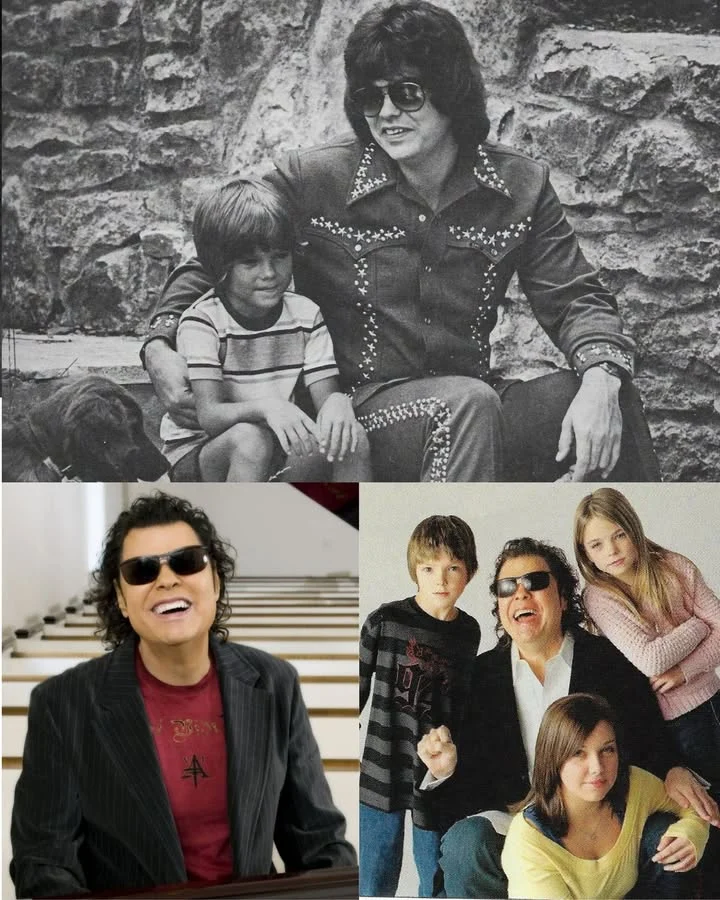
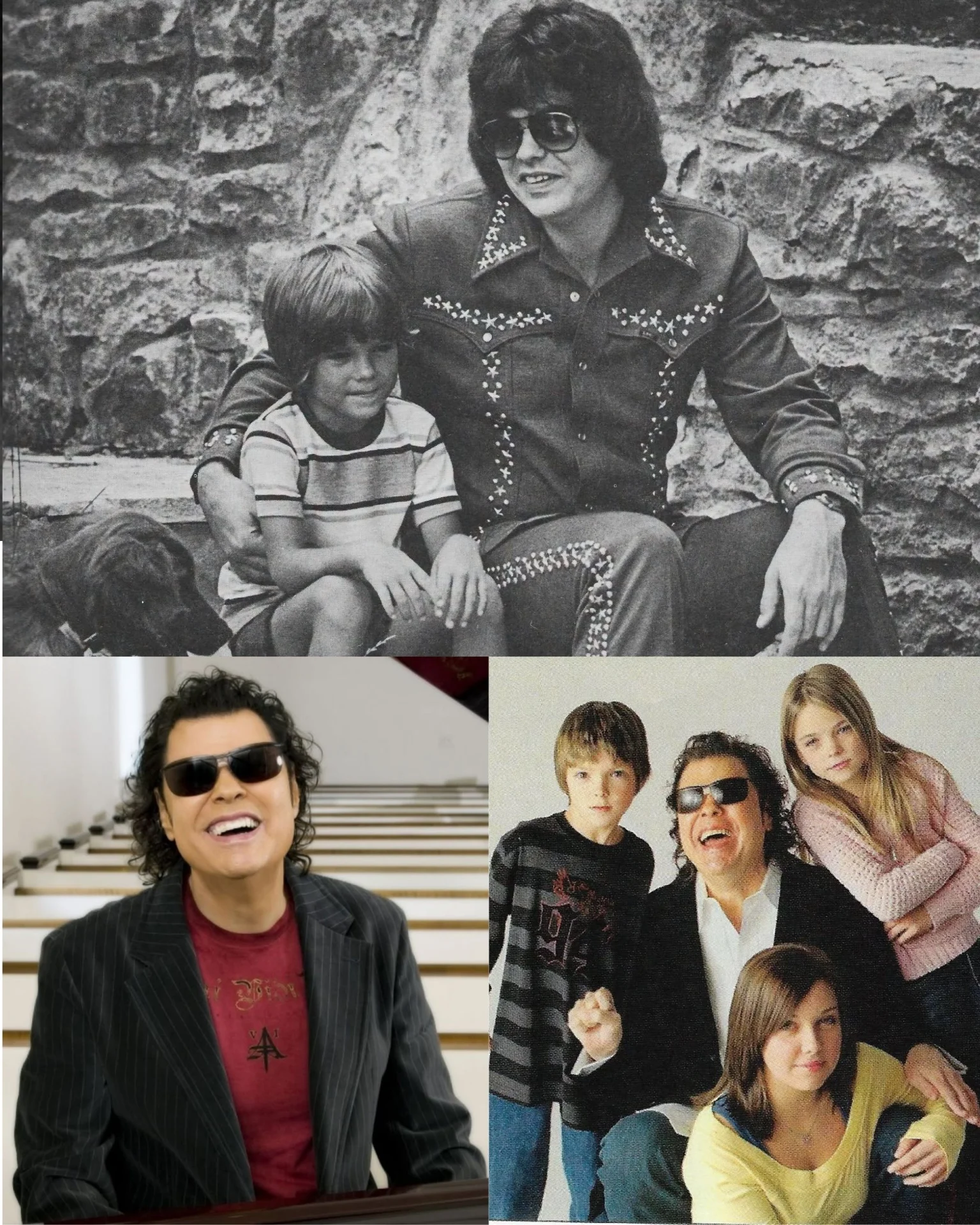
Together they raised their son Todd and later welcomed three grandchildren. In a 2011 interview about grandparenthood Ronnie described those grandchildren as the loves of their lives. The sentence sounded simple until it was placed beside the belief that had surrounded his own birth.
A child once treated as a sign of punishment had grown into a grandfather who saw children as gifts. In the home Ronnie and Joyce built no child had to earn welcome or explain away a difference. Arrival itself was reason enough for joy.
Todd died unexpectedly in 2019 at the age of forty nine. Two years later Joyce died and the losses brought a different kind of sorrow into his life. Their grief carried weight because the bonds were real and because attachment in his chosen family had endured for decades.
Those later losses do not need to be added to his childhood to make his story moving. They reveal how far he traveled from the empty feeling of being left behind. He became a husband and a father and a grandfather whose home was defined by people staying.
Ronnie could not rewrite the explanation adults placed on his blindness and he could not undo being sent away. What he controlled was the inheritance he passed on. He chose memory with gratitude for his grandparents and his teachers and he chose forgiveness without denial.
Most quietly he refused to make rejection the rule of his own household. His grandchildren did not have to repair his past or prove their worth. They were simply allowed to arrive and find that someone was glad they had come.