
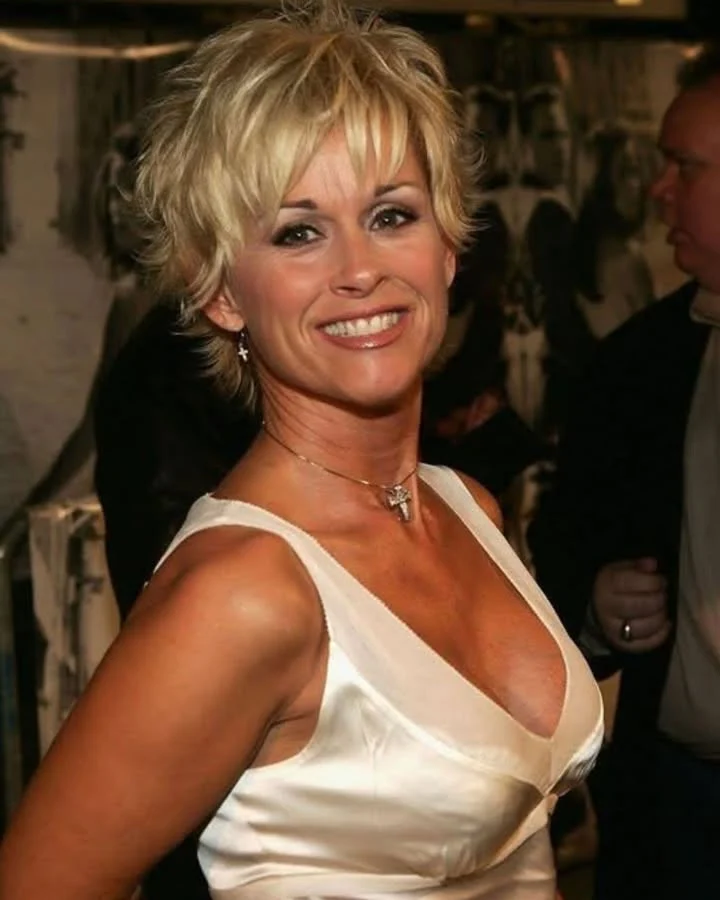
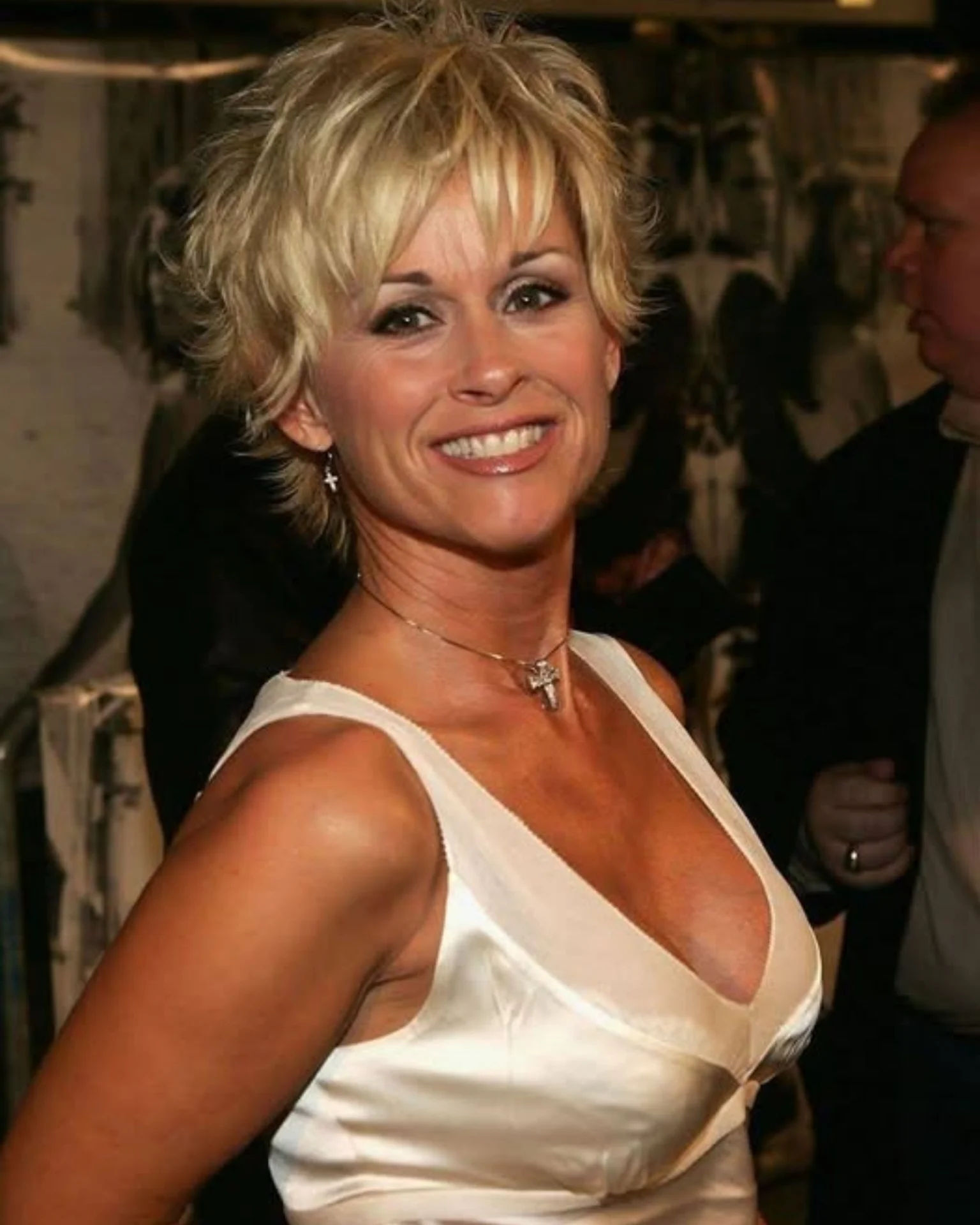
She had buried her husband only one day earlier, yet on Saturday night Lorrie Morgan walked back onto the Grand Ole Opry stage with two children depending on her, bills waiting at home and a long delayed career only just beginning to rise.
There were children to support and bills to pay and she needed to work.
That simple and painful truth explained a decision she later described without dressing it up. Lorrie went ahead with her two scheduled Opry performances and within days she was traveling again on Keith’s old tour bus, fulfilling concert dates while her breakthrough was starting to unfold.
A Dream That Took Nearly Seventeen Years
Lorrie Morgan had waited almost seventeen years for Nashville to take her seriously. She first sang on the Grand Ole Opry at thirteen, following her father and Opry star George Morgan into the same world.
The standing ovation she received that night did not create an easy career. Her father died when she was sixteen and Lorrie kept singing, worked with his band, played clubs, sang demos and spent years watching other careers move faster than hers.
By the late 1980s something finally changed. RCA signed her and “Trainwreck of Emotion” reached the country Top 20, followed by “Dear Me.” Her first RCA album Leave the Light On was being prepared and for the first time she had a real chance to become a star under her own name.
Two Careers Rising Under One Roof
At home Keith Whitley was breaking through too. They had married in 1986 and had a young son named Jesse Keith, while Keith had also adopted Morgan, Lorrie’s daughter from her first marriage.
His career suddenly caught fire with three consecutive No. 1 hits in “Don’t Close Your Eyes” and “When You Say Nothing at All” and “I’m No Stranger to the Rain.” For a brief stretch both of their careers were finally moving at once.
Then Lorrie went out on the road and Keith stayed home. On May 9, 1989, he was found dead at their home after drinking heavily at only thirty-three years old. Just one month earlier “I’m No Stranger to the Rain” had reached No. 1.
Three days later hundreds gathered for his funeral. Ricky Skaggs, his friend since their Kentucky bluegrass days, delivered the eulogy and at the graveside Lorrie placed a red rose on her husband’s casket.
Success Arriving In The Middle Of Grief
Then the career she had waited so long for arrived in the middle of everything else. “Out of Your Shoes” became a major hit and in April 1990 “Five Minutes” reached No. 1 on Billboard’s country chart as her first chart topper.
That summer another record appeared on country radio and it carried a voice listeners thought they had lost. It was “’Til a Tear Becomes a Rose” and it held a duet Keith and Lorrie had recorded before his death.
While Lorrie was now building a solo career without him, people could still turn on the radio and hear their voices together. The duet became a hit and won the 1990 CMA Vocal Event of the Year.
She did not walk back on that stage because grief was finished, she walked back because life was still asking her to sing.
By then Lorrie Morgan finally had the success she had chased since she was thirteen. And one of the records playing alongside her first No. 1 still had Keith Whitley singing harmony, making her long awaited arrival sound both triumphant and heartbreakingly bittersweet.