
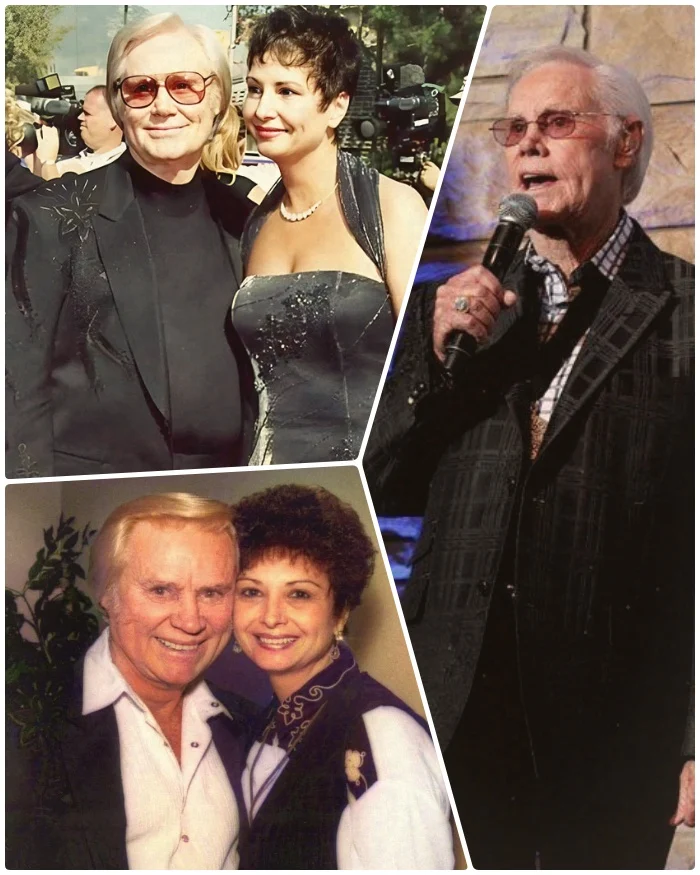
In the dark wings of a theater far from Nashville, an 81-year-old legend leaned hard on the woman who had once saved his life and fought simply to breathe.
George Jones could barely draw air without help in early 2013, yet when the lights rose he walked alone to the microphone and let that famous baritone fill the room as if his body had forgotten its pain.
That painful contrast became the heart of The Grand Tour, the farewell run he had begun in late 2012 to close a fifty-year career in country music.
Planned as a nationwide journey through theaters and auditoriums across the country, the tour was meant to end with a huge star-filled finale at Nashville’s Bridgestone Arena in November 2013.
To the crowds who bought tickets, it looked like a well-earned victory lap for a survivor. Behind the curtain, it was a nightly battle against severe respiratory infections and a constant need for supplemental oxygen.
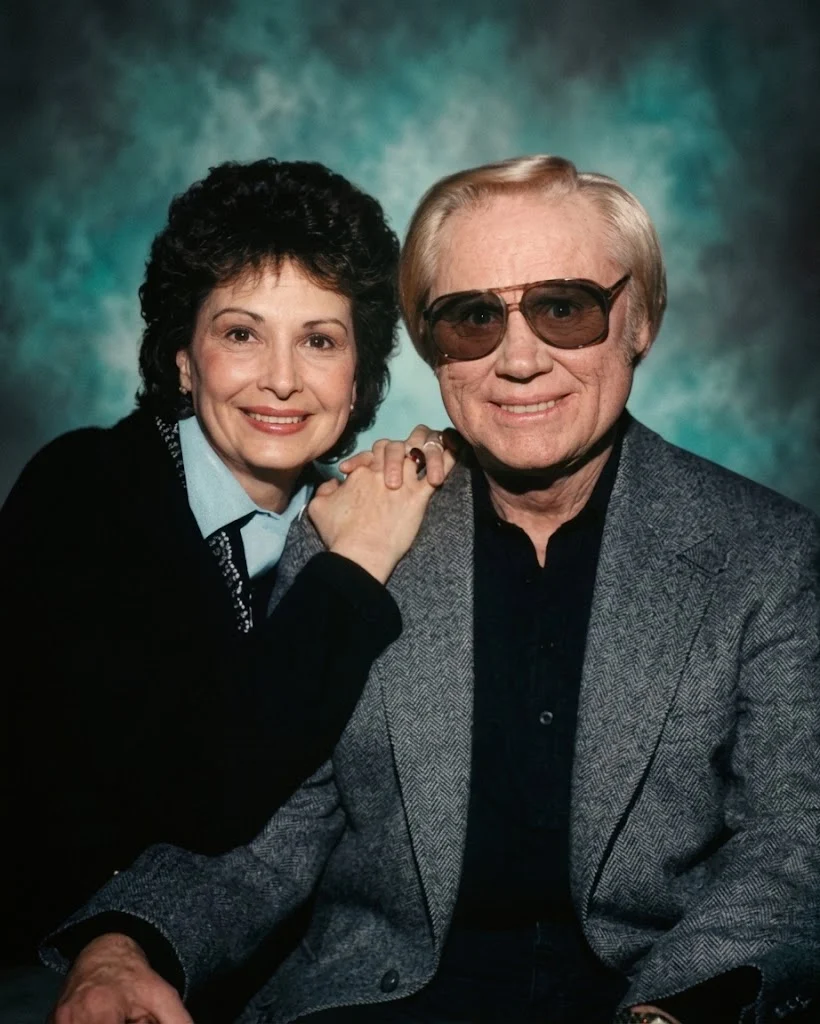
Beside him in every dim dressing room stood his wife Nancy Sepulvado, the woman who had pulled him from the fatal grip of addiction in the early 1980s when much of the music industry had already written him off.
Three decades later she was trying to protect him again. Watching him struggle for breath backstage, she begged him again and again to cancel the remaining dates and go home.
She told him the fans would understand and that after half a century of shaping the traditional sound of country music, from He Stopped Loving Her Today to The Grand Tour, he had nothing left to prove to anyone.
Jones refused, and his reason had nothing to do with pride or ticket sales or a fear of leaving the spotlight.
He was thinking of older women in rural working-class towns who lived on limited pensions and saved pennies in old glass jars just to afford one ticket to hear him sing.
That image carried a heavy history. Through the 1970s and early 1980s, during his darkest whiskey-fueled years, he had earned the painful nickname No Show Jones after missing hundreds of scheduled concerts and leaving stages empty, promoters furious, and fans waiting in the dark.
He had long outlived those chaotic years, largely because of Nancy, but he had never forgotten the debt his past had created.
When he was young and strong, he had taken his own presence for granted. Now frail and fighting for air, he felt a deep obligation to give those fans exactly what they had paid for.
Before every show the same quiet ritual played out in the shadows. Jones leaned heavily on Nancy, took oxygen from a tank, and gathered just enough strength for the long walk to center stage.
Then his name rang out, the lights hit him, and a striking change took hold. He stepped away from his wife’s support, walked alone to the microphone, and somehow summoned that unmistakable voice.
For about ninety minutes, the audience heard the enduring voice of country music history. They did not see the grueling physical toll it took to create it.
He was not singing to build a legacy anymore. He was singing to apologize to the people who had waited for him for so long.
Jones would not reach that final Bridgestone Arena show. He passed away in April 2013, only months into the tour.
But his last days on the road reshaped how he is remembered. He spent the last of his breath not chasing fame, but making sure that this time he would not leave his fans staring at an empty stage.