
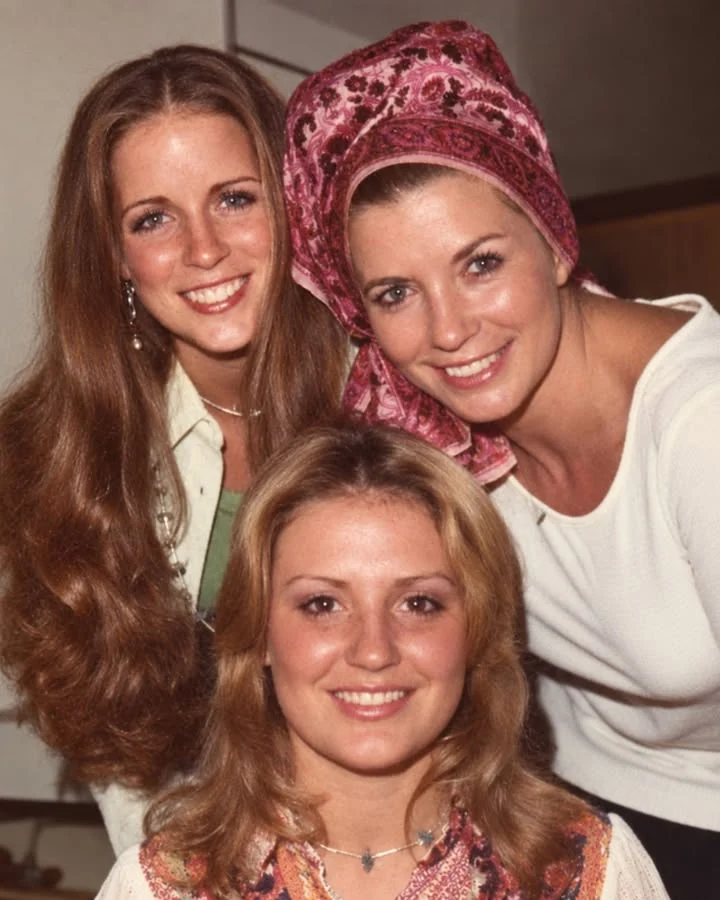
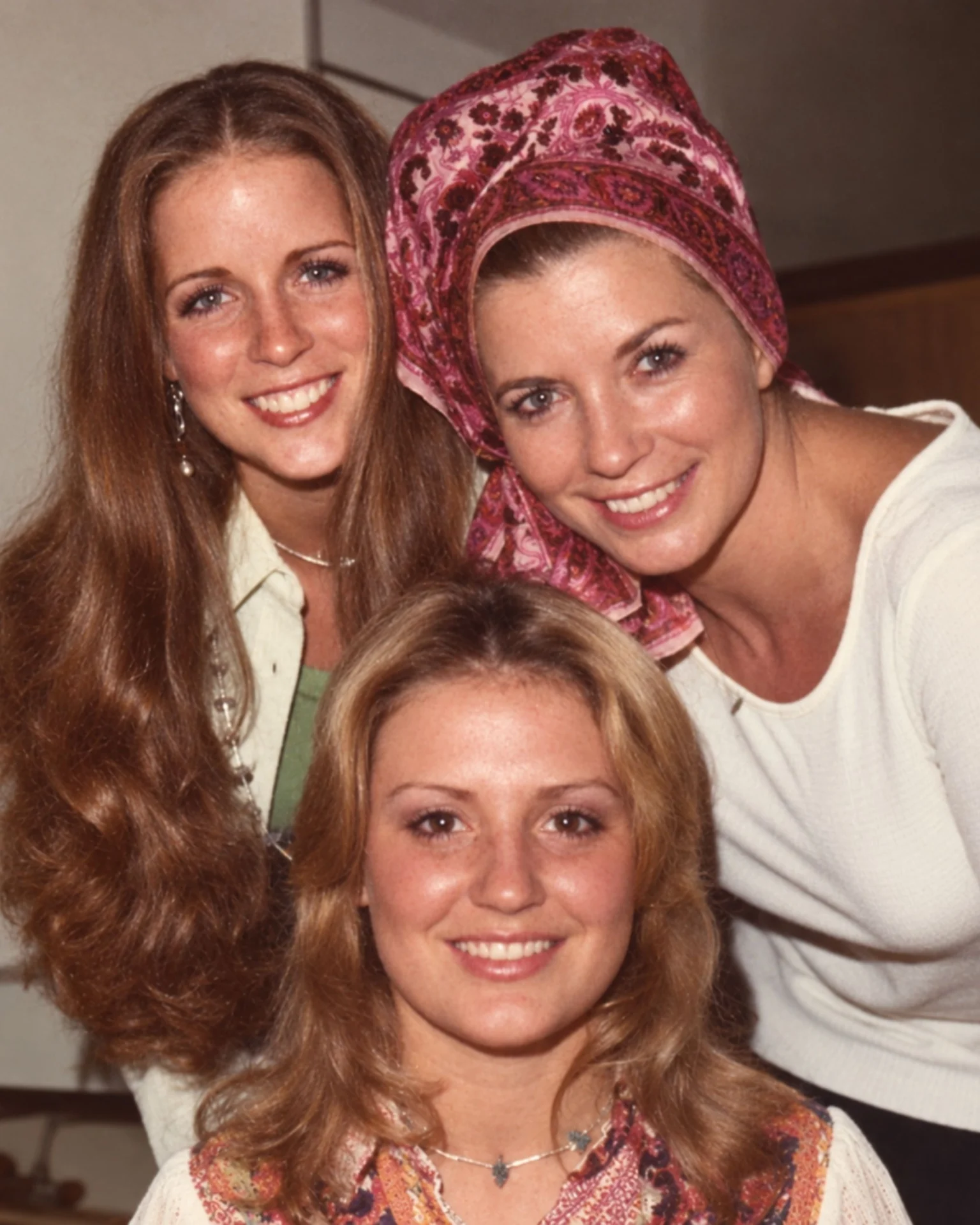
Carlene Carter climbed onto the tour bus and saw her mother looking back at her from the luggage.
Not literally, but there it all was. The juicer. The coffee maker. The extra things she had once laughed at June Carter for carrying everywhere.
Road life had revealed a family resemblance in the smallest possible place. Carlene had spent years trying to define herself apart from her people, then she looked at what she had packed and found one of June’s smallest habits traveling beside her.
Not rejection. Not imitation. Conversation.
A Name Too Large To Wear Easily
She was the daughter of June Carter and Carl Smith, the granddaughter of Maybelle Carter and the stepdaughter of Johnny Cash.
Country music had not simply surrounded her childhood. It lived in the house, rode the buses, shaped the conversations and carried the weight of a family name almost too large for any young artist to inherit comfortably.
Yet when Carlene began making records in the late 1970s she did not run straight toward that heritage.
She leaned toward rock, toward pop and toward the music she had absorbed as a teenager.
Nashville heritage was something she possessed automatically. Sounding like it was another matter entirely.
For some artists a famous family name opens the door. For Carlene it also made the door harder to walk through as herself.
The Long Road Back To The Family Songs
By the mid 1980s the experiments had stopped leading anywhere useful.
Her recording career had stalled and her marriage had broken apart.
She went back on the road with June and the Carter Family for roughly two years, returning to songs she had known before she ever thought seriously about having a career of her own.
The effect was gradual, but it changed how she heard everything.
Carlene began to understand that the country phrasing, yodeling and Carter Family rhythms she had once treated as inheritance did not have to erase the rock music she loved. They could sit beside it.
Friend and producer Howie Epstein encouraged her to write about childhood, leading to Me and the Wildwood Rose, a song Carlene said seemed to come from somewhere deeper than conscious imitation.
Success Arrived After The Deeper Change
That understanding fed into I Fell in Love in 1990, the record that finally gave her major country success after years of searching elsewhere.
The title track reached No. 1, but the more interesting change had already happened before the chart position arrived.
By then the Carter Family influence no longer worked as a shadow. It had become part of the light.
She could use country phrasing without sounding trapped by nostalgia. She could let old rhythms sit beside modern energy. She could write about childhood without turning the past into a museum display. She could honor June and Maybelle without becoming a replica of either woman.
The Carter name did not become lighter. Carlene became better able to carry it.
What The Tour Bus Really Revealed
Carlene had spent years wondering how much distance she needed from the Carter name in order to become herself.
The answer turned out to be less distance than she expected.
She only needed enough time away to come back and hear the family music as something she could use without disappearing inside it.
She had to leave the family sound before she could hear how it belonged to her, and she returned to it freely once she was strong enough to meet it on her own terms.
Some inheritances, like a mother’s road habits or an old family rhythm, do not trap an artist when she finally chooses them for herself.
Scroll down to the end of the article to listen to the music.