
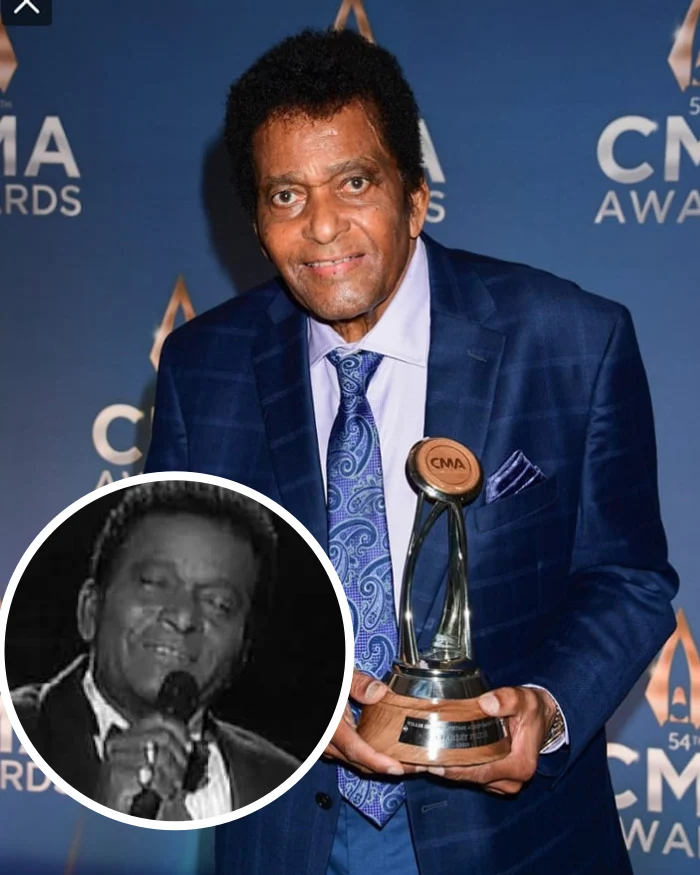
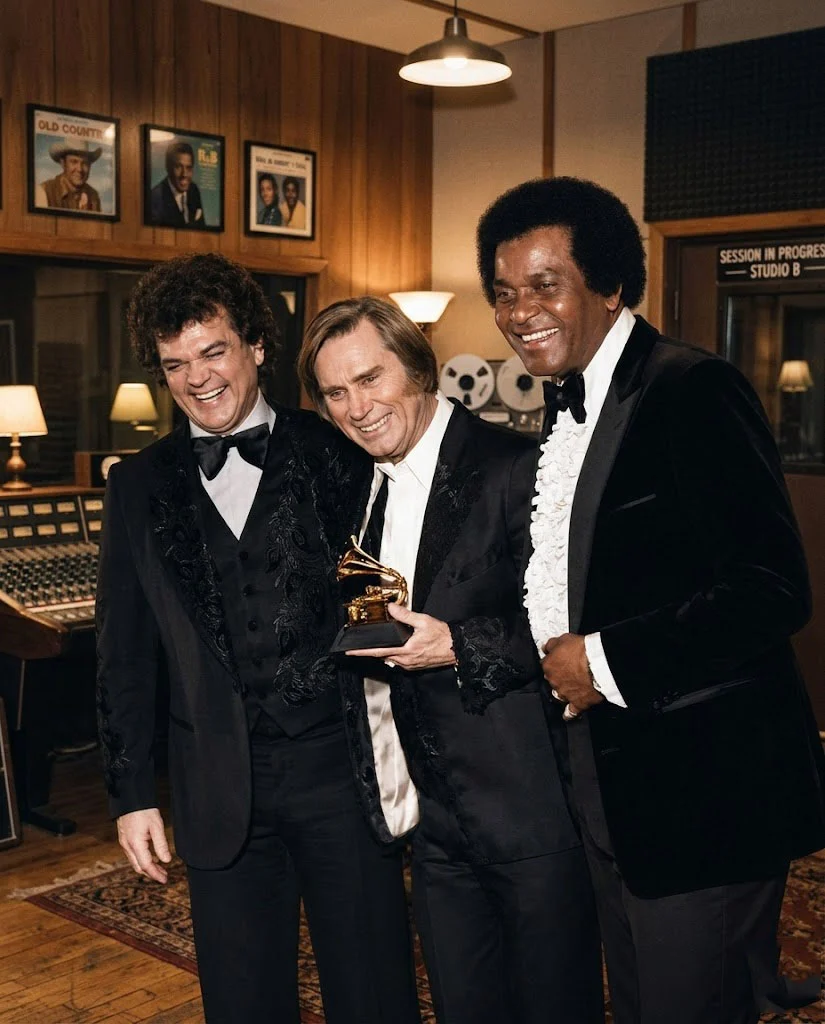
Imagine a room full of country music listeners, their doubts hanging in the air, then one voice melts every wall in seconds.
Charley Pride did not arrive in Nashville with a battle cry. He arrived with a song, a smile, and a sound so clear that prejudice had nowhere to hide.
When people name country music royalty, they often reach for Hank Williams, George Jones, and Johnny Cash. Those legends shaped the genre with heartbreak, ghosts, and darkness. Charley Pride changed it with joy.
He came from a different road. He stepped into a world built around tradition, expectation, and quiet exclusion. For many listeners, a Black man in country music did not fit the picture they had been taught to accept. The industry had no blueprint for him, yet he refused to make his entrance angry or defensive.
He simply sang.
His voice was warm, easy, and honest. It sounded like sunlight moving through a kitchen window. It carried confidence without arrogance and charm without calculation. Listeners began to relax before they even noticed their resistance fading.
Hit after hit followed. RCA Records watched him become one of the label’s most successful artists. Fans packed concerts across America. Country radio could not ignore the requests.
Then 1971 brought the record that captured his entire spirit in three radiant minutes.
“Kiss an Angel Good Mornin’” was not a protest song. It did not mention race, struggle, or barriers. It did not demand a conversation. It smiled instead, and that smile became its power.
“You’ve got to kiss an angel good mornin’”
The lyric felt simple enough to sing after one listen. Beneath that simplicity sat real warmth, real joy, and a happiness that country music often forgets how to carry. The song spent five weeks at No. 1 and reached far beyond the usual country audience.
George Jones later sang it. Alan Jackson tried it. Roy Clark touched it too. Each version showed how beautifully the song was built, but none escaped Charley’s shadow. The record belonged to him because he made happiness feel believable.
Hank Williams carried ghosts. Johnny Cash carried darkness. George Jones carried heartbreak. Charley Pride carried light.
That light came from Sledge, Mississippi. It moved through a world that was not fully ready to welcome him. He answered doubt with grace, song after song, smile after smile. He did not force the doors open by shouting louder than the resistance. He became too undeniable to ignore.
His voice reached people before their assumptions could stop it. That quiet miracle still lives inside “Kiss an Angel Good Mornin’,” where one honest singer made a room stop asking whether he belonged and simply let him in.