
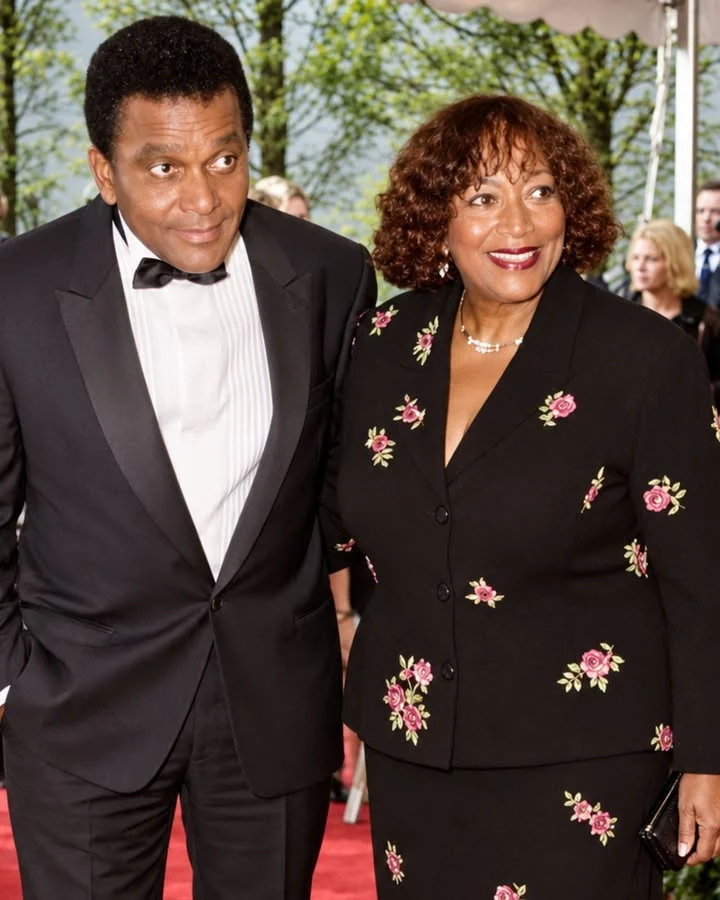
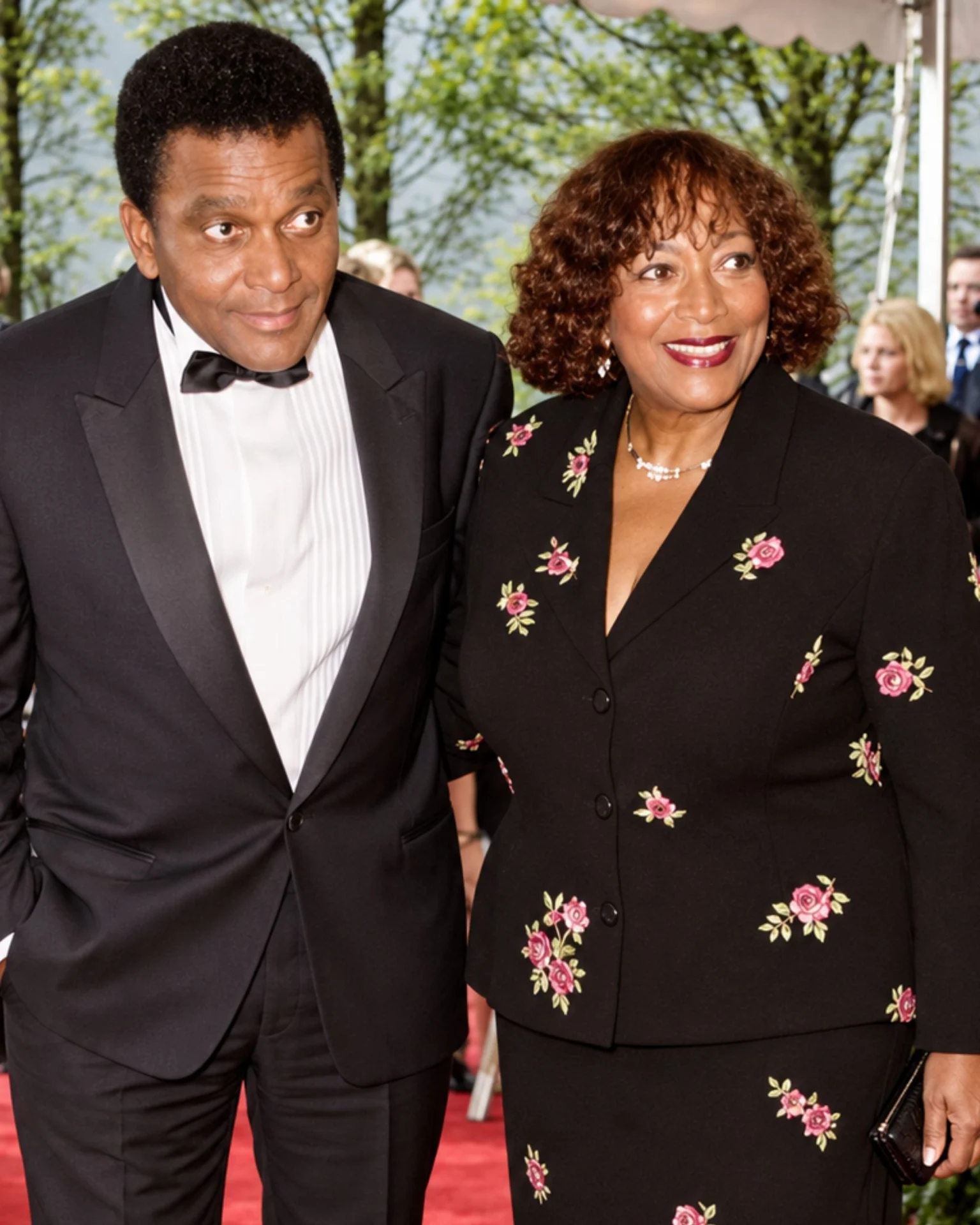
By the third night at the Ritz Cinema, Charley Pride could no longer hold back the tears. As he sang “Crystal Chandeliers,” a song America had overlooked, he looked out at an audience that had crossed lines of religion and politics to sit in the same room. He later insisted,
“I don’t do fake tears.”
That moment in November 1976 became the emotional peak of three concerts that quietly shifted the course of live music in Belfast.
Pride had been warned. Someone in Dublin drew him aside and told him he did not have to continue north. Across the border, his three Belfast shows were already sold out. The tickets were printed, the Ritz Cinema was waiting, and promoter Jim Aiken had traveled across several American states to secure Pride’s promise. But in 1976, a booking in Belfast remained uncertain until the performer actually walked onstage. Foreign acts had begun omitting Northern Ireland from their tours as the Troubles deepened. Johnny Cash canceled a 1971 appearance. The murder of three Miami Showband musicians after a 1975 performance made the road itself part of the danger. Days before Pride was due at the Ritz, newspapers announced that Tammy Wynette had withdrawn from her Belfast engagement. Pride’s wife, Rozene, and members of his band expressed reservations. He went anyway.
Jim Aiken understood that promises made through booking agents were not enough. He had spent years building an Irish concert circuit through personal relationships, driving performers between venues and earning a reputation for reliability. In the 1960s, he brought Roy Orbison through Ireland. In 1971, he booked Led Zeppelin in Belfast and Dublin. But by 1975, the arithmetic of touring had changed. A sold-out house no longer guaranteed that a show was worth the journey. So Aiken went looking for Pride himself. He crossed several American states in small aircraft until he caught up with the singer at a concert in the Midwest. The encounter began with a misunderstanding: Pride reportedly heard “Jim Aiken” and thought a Jamaican man wished to meet him backstage. Curiosity got Aiken through the door. The promoter proposed a Dublin performance followed by three nights in Belfast on Pride’s next tour. Pride agreed.
Pride had spent his American career entering rooms where his presence forced people to confront something before he sang a note. RCA initially promoted his early singles without using his photograph, allowing country radio to hear the voice before race entered the discussion. When Pride began touring nationally, the introduction and his first walk toward the microphone carried a tension absent from the record. He developed a practical way of handling it. He sometimes joked about his “permanent tan,” giving an audience a moment to settle. The line was light; the work beneath it was not. In Belfast, he faced a different division. He was an outsider to its history and made no claim to understand it. Protestants and Catholics could love the same country records without sharing a street, a school or an account of the country in which they lived. Country music already occupied an unusual place there, with its stories of departure, hard work, family separation, land and disappointed love traveling easily through Irish homes. American voices reached listeners by radio and record even when American performers stayed away. Pride’s records had arrived long before he did.
The three nights at the Ritz sold out quickly. Pride did not turn the engagement into a declaration. He performed the show he had brought: a seasoned country package built from hits, harmony singing and the disciplined pacing of a band accustomed to working night after night. The importance accumulated around the ordinary mechanics. Instruments were unloaded. The musicians took their places. The curtain rose. The audience remained until the end. Then the procedure was repeated. By the third evening, Pride had learned more about the city and what the crowd had crossed to sit before him. When he reached “Crystal Chandeliers,” the room altered. He later remembered thinking about the people who had come despite the violence. His voice held, but tears appeared. A Belfast newspaper thanked Pride and the Pridesmen for providing two hours in which the city’s daily pressures receded.
The song “Crystal Chandeliers” had been sitting in Pride’s catalogue for nearly a decade. Written by Ted Harris and recorded for his 1967 album The Country Way, it was never a single in the United States. But across the Atlantic, records did not always retain their original rank. Irish listeners selected songs according to local experience, radio habits and the circulation of cover versions through pubs and dance halls. Singer Mattie Fox recorded “Crystal Chandeliers” in 1973. The Diamond Accordion Band of County Armagh issued another version shortly before Pride’s visit. The Ritz performances gave the song a face and a shared occasion. Pride’s recording was subsequently reissued in Britain and Ireland. More covers followed. In 1980, a BBC poll named “Crystal Chandeliers” Britain’s all-time favorite country song. A track that America had never placed on its singles chart had acquired a second public life through local radio, cover records and three evenings in a city most tours had learned to avoid.
The immediate change after Pride’s concerts was commercial evidence. Aiken could now approach another artist with more than reassurance. He had three sold-out shows, completed without the catastrophe managers feared. According to Aiken’s son Peter, mainstream artists became more willing to accept Belfast dates afterward. Tom Paxton and Joan Baez came north. Journalists noticed nightlife beginning to recover some movement. Johnny Cash, whose earlier cancellation had become an emblem of Belfast’s isolation, performed there in 1979. This is how a concert circuit often returns: not through a formal announcement but through a series of revised risk calculations. One artist arrives safely. The next manager speaks to that artist’s manager. An insurer sees precedent. A venue hires staff for another evening. Pride also returned, making Ireland a recurring part of his working life. Decades later, he described stepping onto Irish soil as a homecoming.
The most important object in this story may be the unused exit Pride was offered in Dublin. He could have canceled with sympathy on his side. His wife was worried. His musicians were worried. Another country star had just withdrawn. But Pride continued north and completed three performances. Afterward, the consequences moved through the ordinary channels of the music business. Jim Aiken had a precedent he could use in future negotiations. Other artists reconsidered the city. “Crystal Chandeliers” moved from an American album into Irish pubs and collective memory. Pride found a second home on a touring circuit that remained loyal when Nashville’s attention diminished. For three nights in November 1976, people from a divided place bought tickets to the same room. The performer whose name was printed on them came.