
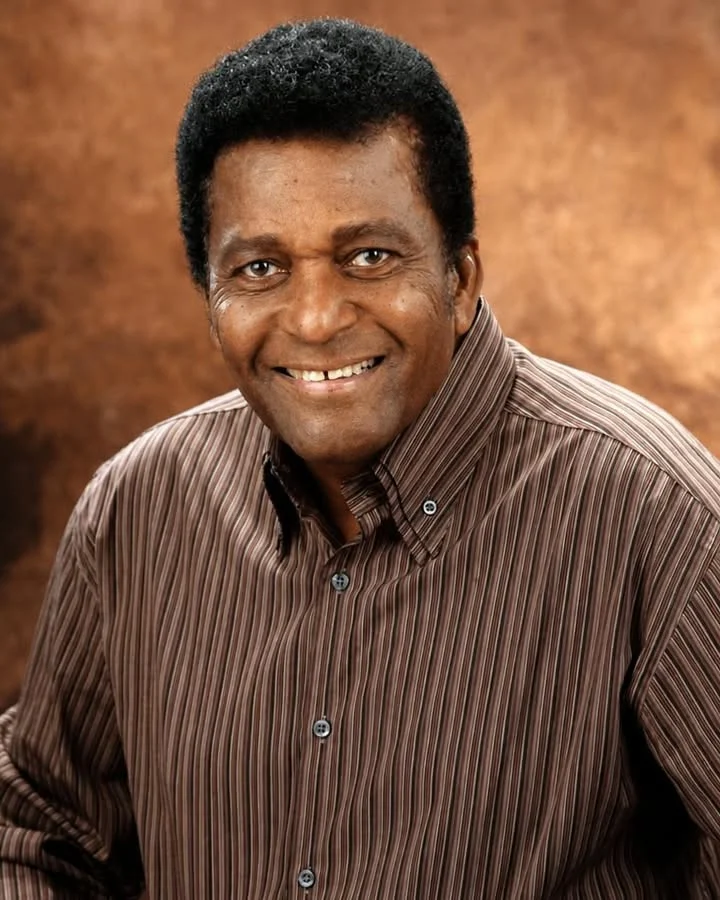
The stage lights never dimmed for Charley Pride in the way he deserved. On a quiet December night in 2020, only a handful of family members gathered in Dallas to say goodbye. No cameras captured the moment. No crowds roared. The man who had spent decades filling arenas left the world with barely a whisper — yet his absence roared across country music.
Charley Pride died on December 12, 2020 at age 86. Just thirty-one days earlier, he had stood on the CMA Awards stage, nervous as can be, performing Kiss an Angel Good Mornin’ with Jimmie Allen. That night, he told the crowd he was nervous as can be. Looking back, it felt like a quiet goodbye hidden inside a celebration.
His career was extraordinary. Charley Pride earned 29 No. 1 country hits and became country music’s first Black superstar. At RCA Records, only Elvis Presley sold more albums. He was also CMA Entertainer of the Year. But he never made his own legend the center of the room. He let the music speak first.
When Charley Pride passed, the tributes were immediate and deeply personal. Dolly Parton wrote these words.
One of my dearest and oldest friends. Charley, we will always love you.
Darius Rucker said.
Heaven just got one of the finest people I know.
Their words did not sound like industry statements. They sounded like grief from people who had truly loved him.
Jimmie Allen, who shared that final CMA stage with Charley Pride, later said his impact was bigger than one career.
If there was no Charley Pride, there wouldn’t be Darius Rucker, me, Kane Brown, or any Black country artist on their way right now.
That was the truth Charley Pride lived into, even when he never tried to claim credit for it.
Eight months after his death, CMT honored Charley Pride with a special event called CMT Giants. The event brought together Garth Brooks, George Strait, Luke Combs, Alan Jackson, and Gladys Knight on one stage. It was a night that matched the scale of his influence. His widow Rozene said.
He would have been so happy.
It was a reminder that even when the farewell was delayed, the gratitude was still alive.
Charley Pride changed country music without turning it into a speech. He did it by singing, by showing up, and by refusing to make a big deal out of something the world should have noticed long ago. In the end, that may be the most powerful part of his story. He never asked for more than the song. Country music gave him its heart anyway.