
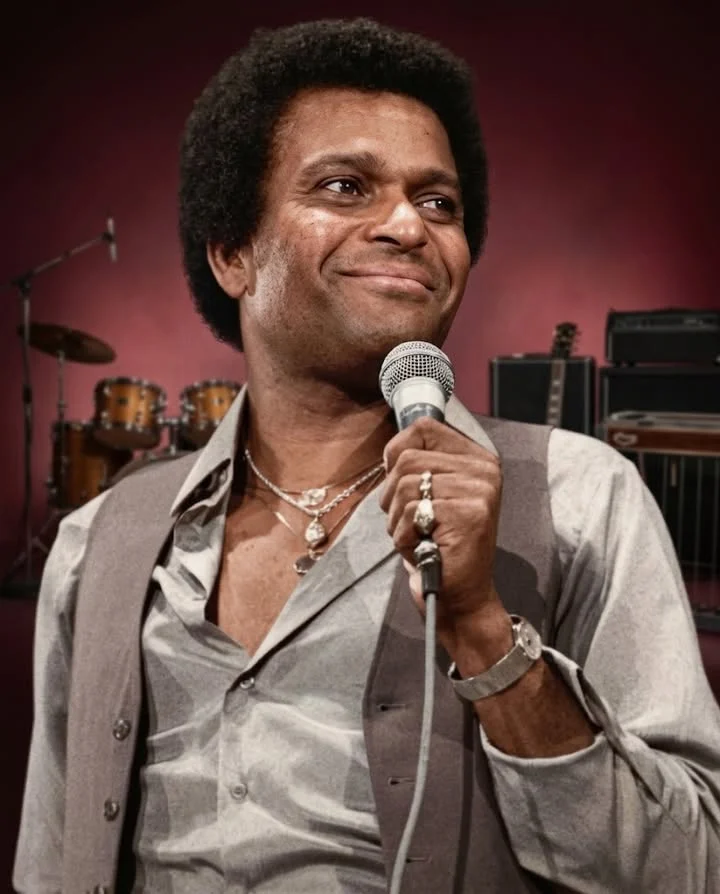
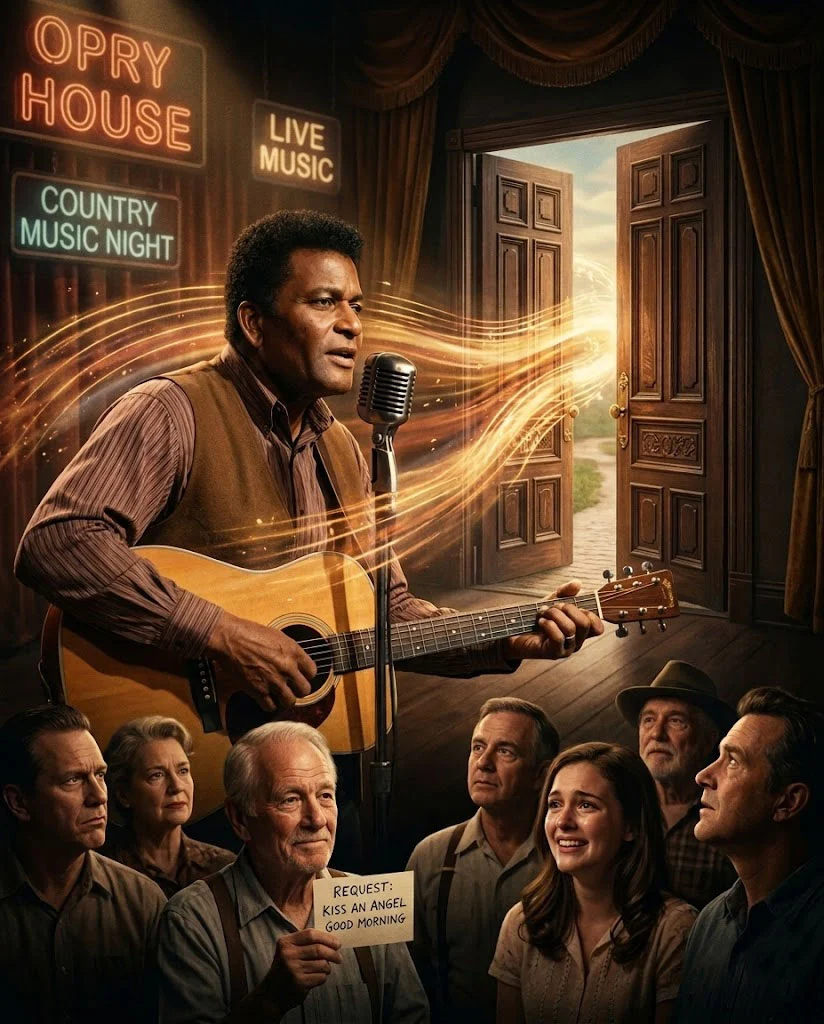
Charley Pride lived 86 years and proved that a song could open a door that fear had locked.
During the early 1960s a Black man stepping into a country music venue in the Deep South faced danger as easily as applause.
He did not arrive with protests, angry speeches, or raised fists.
He arrived with a microphone and a voice so warm and steady that listeners could not ignore it.
Charley Pride bypassed prejudice by taking his case directly to the people who pressed the jukebox buttons.
Before the fame he was a young man from Mississippi who chased a baseball dream through long bus rides in the Negro leagues.
Country music hummed beneath that journey because the sounds of Hank Williams and Lefty Frizzell had shaped his heart.
The industry was not ready for him.
Nervous executives feared radio stations would boycott his records.
Promoters worried about how conservative rural audiences might react when they saw the man behind the voice.
Some insiders suggested he should sing Rhythm and Blues or anything else besides country.
He did not argue with them.
He recorded songs like Just Between You and Me and let the music travel ahead of his image.
Millions heard a voice that felt honest, gentle, and true before they learned what the singer looked like.
By the time curiosity reached his face, the melody had already claimed their hearts.
He collected 29 number-one hits and three Grammy Awards.
His calm dignity also drew criticism because some activists wanted him to speak louder about racism and some critics called his silence naive.
Charley believed that pure music could exhaust the excuses that hate relies on.
He spent fifty-two years in country music and never punched back.
He won round after round with standing ovations and quiet persuasion.
I never wanted to be a trailblazer, I just wanted to sing, but I guess sometimes that is the same thing.
He did not leave a legacy of bitter battles or shattered barriers.
He left a timeless American catalog that made an entire culture pause and listen.
His story proves that revolution does not always roar and sometimes it waits for the music to begin.