
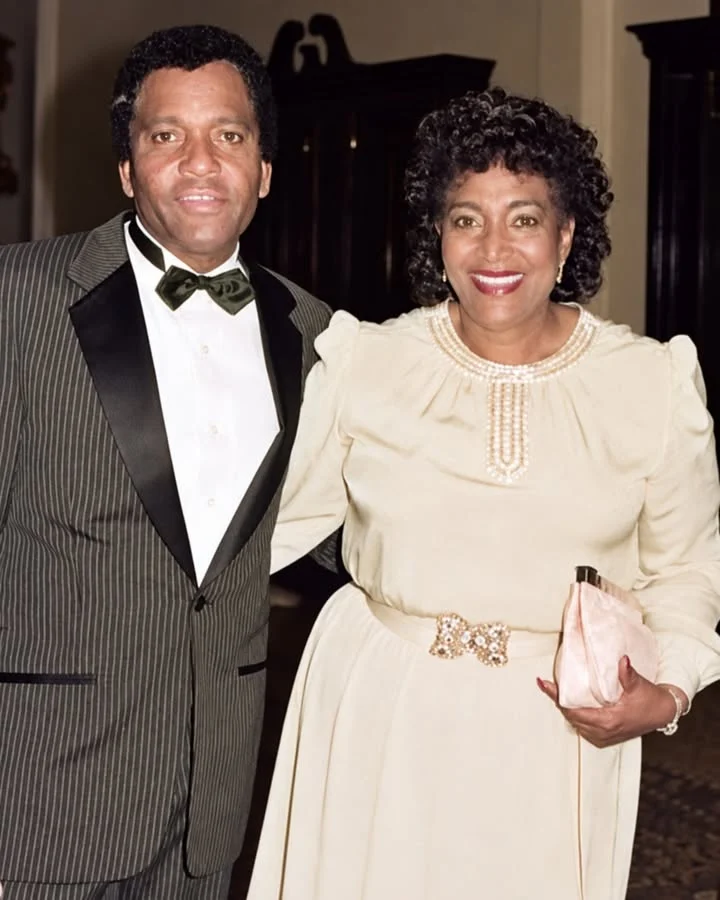
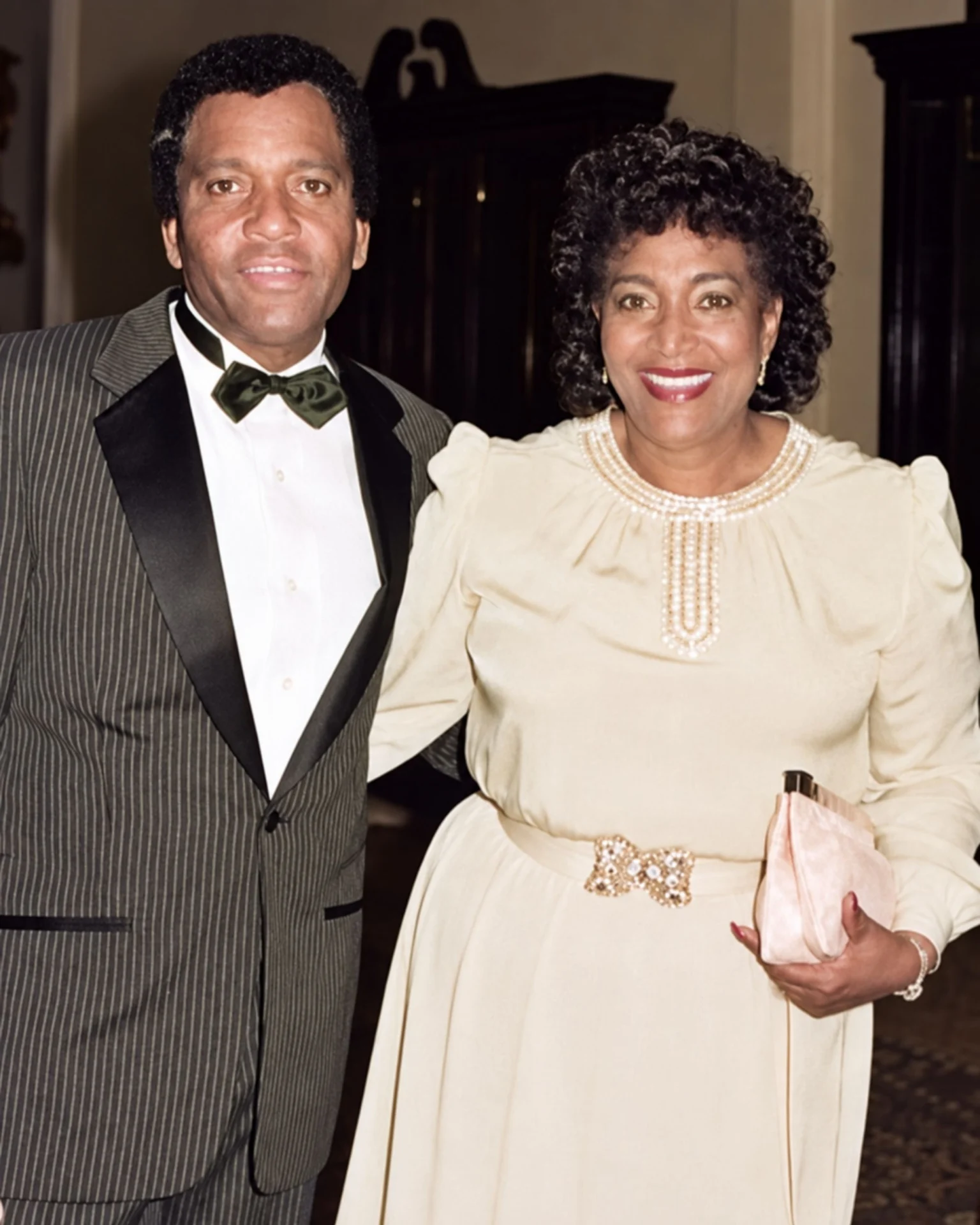
Charley Pride never intended to become a country music legend. He intended to throw a baseball past the best hitters in the major leagues. But when his elbow cracked during a curveball and his opportunities shrank, the Mississippi sharecropper’s son landed in a Montana lead smelter. By day he worked beside furnaces and molten metal. By night he sang Hank Williams songs in smoky clubs. The heat of the smelter did not kill his voice. It tempered it.
The smelter was not the place where Pride’s dream ended. It was where two possible lives overlapped long enough for the stronger one to reveal itself.
Born in Sledge, Mississippi in 1934, Charley Frank Pride grew up one of eleven children in a sharecropping family. His father tuned the Philco radio to the Grand Ole Opry, filling the house with the sounds of Roy Acuff and Ernest Tubb. Pride bought a guitar at fourteen and taught himself to play. But baseball offered a clearer path. Jackie Robinson had broken the major leagues’ color barrier in 1947, and Pride imagined himself doing the same — first as a pitcher, then as a singer afterward.
He left home at sixteen to play for the Memphis Red Sox of the Negro American League. He pitched and played outfield, dreaming of Babe Ruth’s greatness. But the baseball economy was harsh for Black players: underpaid, traded casually, and left to chase opportunities across loosely connected leagues. In 1956, while throwing a curveball in front of a St. Louis Cardinals scout, Pride’s elbow cracked. The injury derailed his shot at the big leagues. The Army drafted him later that year. During Christmas leave, he married Rozene, and the uncertainty of baseball became even more real.
After his discharge in 1958, Pride returned to the Memphis Red Sox. The dream was injured but not dead. In 1960, he went to Montana to play for the Missoula Timberjacks in the Pioneer League. The opportunity did not last. He eventually joined the East Helena Smelterites, a semiprofessional team connected to the local smelting operation. The job at the smelter gave him a paycheck and let him keep pitching. His family settled in Montana. And when the shift ended, he carried his guitar into clubs.
His voice drew attention. In 1962, country stars Red Foley and Red Sovine came through Montana. With help from a local disc jockey, Pride sang for them. They encouraged him to try Nashville. He went. He failed to get a contract. He returned to the smelter. He kept singing. Encouragement did not pay wages, but failure did not change his voice.
Two years later, Pride auditioned for manager Jack Johnson, who recognized the strength of what he heard. Johnson introduced him to producer Cowboy Jack Clement. On August 16, 1965, Clement recorded Pride at RCA Studio B in Nashville. Chet Atkins, head of RCA’s country division, heard the demonstration and secured approval to sign him — but without fully disclosing that the singer was Black. The label then marketed Pride’s first records without photographs, hoping disc jockeys would hear the voice before prejudice could decide what it was allowed to sound like.
The breakthrough came with Pride’s third single, “Just Between You and Me,” which reached the country Top Ten. When the album Country Charley Pride displayed his face, many listeners discovered that the singer they had already accepted was Black. Pride stepped onto stages with calm humor, acknowledging the surprise before moving into the songs. The music had opened the room; he walked into it.
By the early 1970s, Pride had become one of country music’s largest stars. He won the CMA Entertainer of the Year award in 1971 and Male Vocalist honors in 1971 and 1972. He accumulated twenty-nine No. 1 hits, including “Kiss an Angel Good Mornin’” and “All I Have to Offer You (Is Me).” For years, only Elvis Presley sold more records for RCA. But the smelter years remained essential: they gave him stable work when baseball could not, let his family settle, and provided the clubs where locals heard him before Nashville knew what to do.
Baseball never disappeared from Pride’s life. He became part-owner of the Texas Rangers. He did not reach Cooperstown as the pitcher he had imagined. But he entered the Country Music Hall of Fame in 2000. The boy from Sledge had wanted to become a baseball immortal and sing afterward. The order changed. The scale did not.
Charley Pride went to Montana to preserve his pitching arm. What carried him out was the voice he had been using after work. The heat of the smelter, the roar of the crowd, the silence before a record spins — all of it belongs to the same story.