
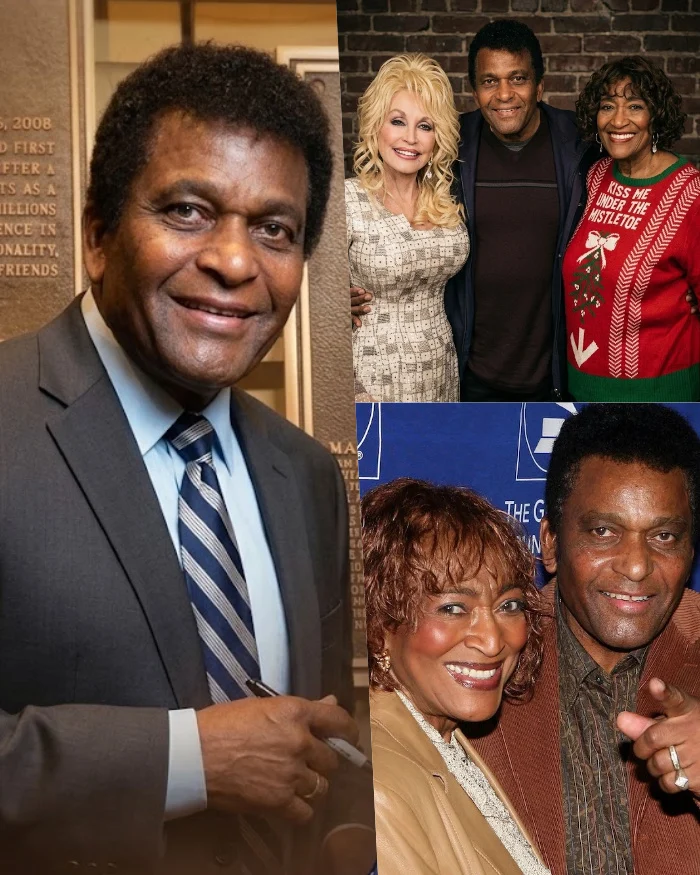
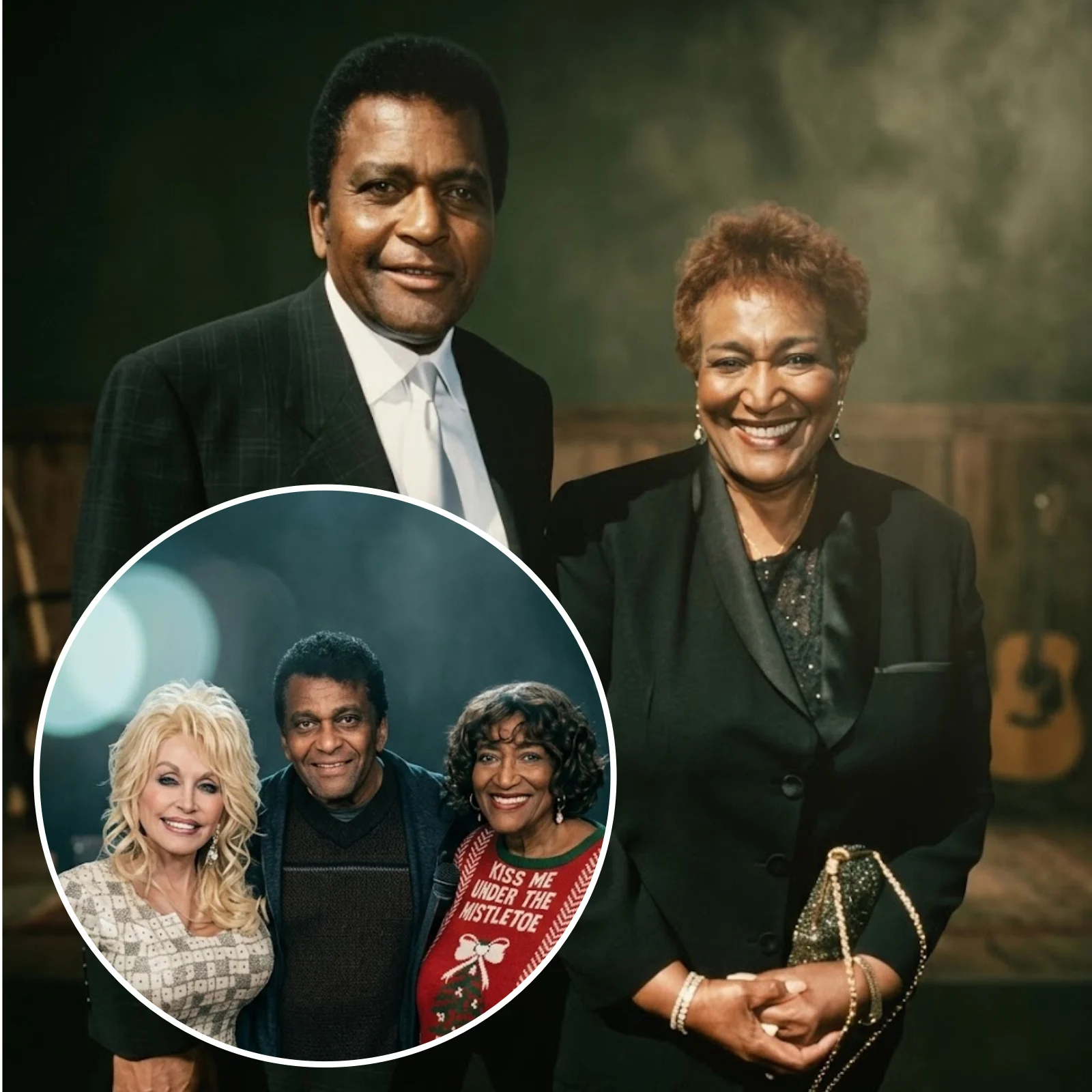
One month after Charley Pride stood beneath bright television lights and accepted one of country music’s highest lifetime honors, the genre lost him suddenly. December 12, 2020 arrived as a cruel shock, and Pride died in Dallas, Texas, from complications of COVID-19. Nashville mourned a pioneer who had just been celebrated by nearly everyone he worked with.
On November 11, 2020, Pride stepped onto the Country Music Association Awards stage in Nashville and received the Willie Nelson Lifetime Achievement Award. At 86 years old, he gave a warm and dignified speech before sharing a performance with Jimmie Allen. That image stayed with fans because it showed a groundbreaking artist honoring the path he opened for newer voices.
The grief deepened when Dolly Parton spoke from the heart. She called Pride one of her oldest and most treasured friends. Her pain was personal because she had known him long before fame, awards, or Hall of Fame membership turned their names into legends.
Charley Pride was one of her oldest and most treasured friends.
Their bond grew in the late 1960s inside a rigid Nashville system that did not welcome outsiders easily. Parton arrived as an independent woman shaped by Appalachian poverty and demanded control over her songs and career. Pride arrived as a Black man singing country music in a deeply segregated era and faced hostile touring realities.
They recognized the loneliness of forcing open doors. Backstage rooms could feel tense, and some people kept their distance from Pride out of fear or prejudice. Parton did not. She crossed those cramped spaces and sat with him, swapping memories of rural life, from the Smoky Mountains to the cotton fields near Sledge, Mississippi.
Those quiet conversations built trust. For five decades, their loyalty remained steady behind a competitive industry. Pride dismantled barriers with a smooth baritone voice, calm manners, and unshakable grace. He carried friction so later artists could move through country music with fewer walls blocking them.
His death exposed the unpredictable cruelty of the pandemic. He left without a proper final bow on a stadium stage. Yet his last public appearance placed him where he belonged, receiving respect from the genre he helped reshape.
In Parton’s tribute, the focus rested on warmth. She remembered his gentle demeanor, the kindness he offered people, and the quiet dignity he carried away from cameras. His legacy was not only trophies or milestones. It lived in the grace he showed in early green rooms and in the steady humanity he brought to country music.