
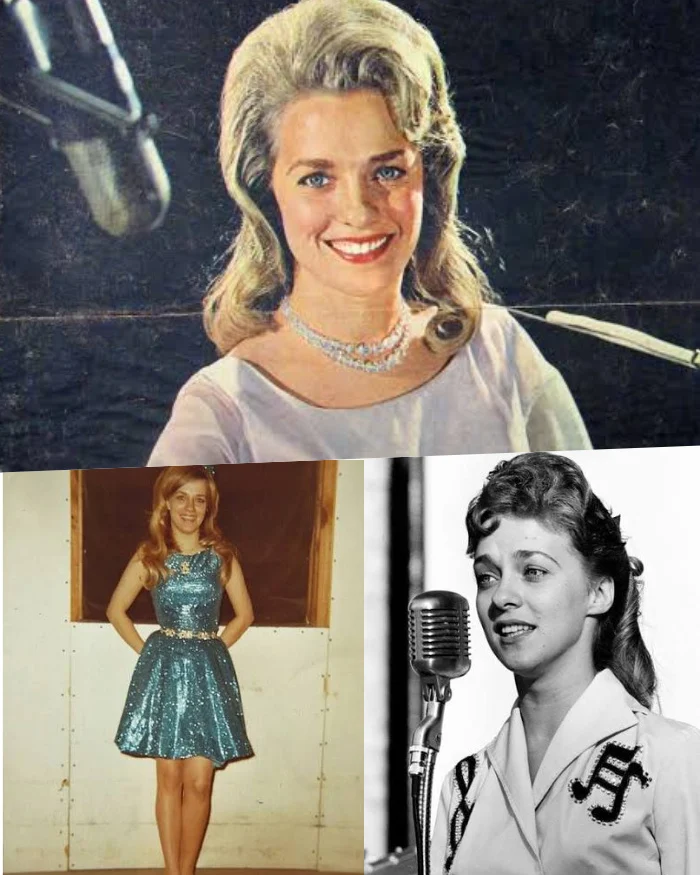
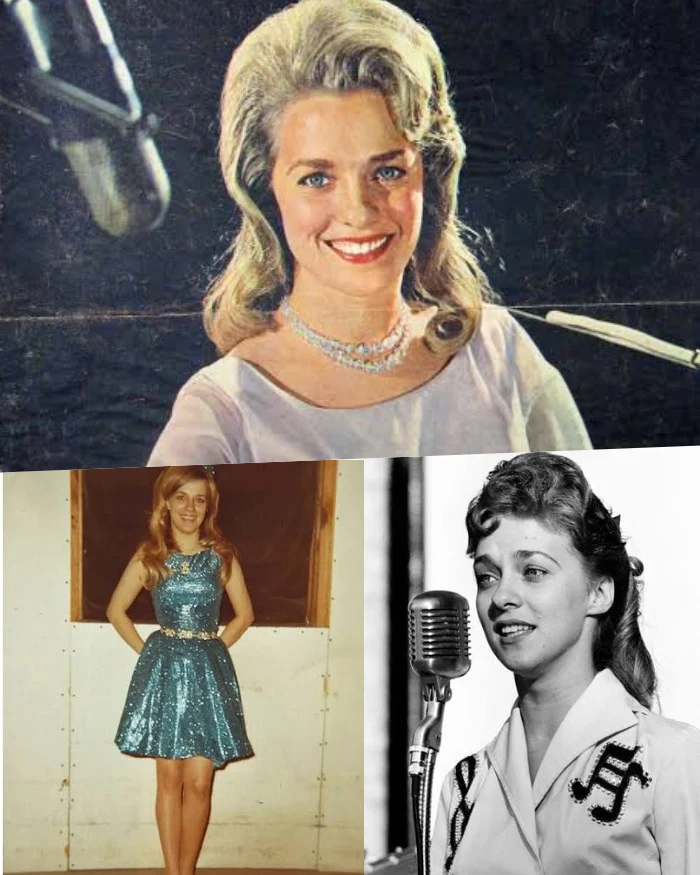
Connie Smith stood under the lights of a country stage long after doctors nearly told her she might never walk unassisted again.
The girl who would become one of the defining voices of country music carried a permanent scar on her leg and a survivor’s depth in her voice.
That depth began in rural Ohio in 1959 when an industrial lawnmower blade struck her leg and cut deep into the bone.
At eighteen she faced a life threatening injury and doctors warned that the limb might need to be removed or that she could live with a permanent disability.
Emergency surgery saved her leg but the recovery was brutal.
She spent months immobilized in a hospital bed, wrapped in heavy bandages, far from the freedom she had known as a young woman.
The pain was physical and the fear was quiet, sharp, and constant.
She endured the ache of a deep bone wound while wondering whether she would ever walk without help again.
That long period of forced silence forged the resilience that later made her singing sound like survival
The trauma left a visible scar on her leg and an invisible strength in her spirit.
Healing moved slowly, but she regained her mobility and built a new life.
By August 1963, four years after the accident, she was a young wife and mother living quietly in Ohio.
She also stepped onto a stage at Frontier Ranch, a country music park near Columbus, for a local talent contest.
Her performance earned first place and five silver dollars, along with the chance to sing later during the main show.
Country star Bill Anderson happened to be the headliner that weekend.
When he heard Smith sing, he felt the sheer power and aching clarity of her delivery.
He recognized a depth in her phrasing that reached far beyond an amateur performance.
Anderson urged her to travel to Nashville.
In March 1964, she performed on the Ernest Tubb Midnite Jamboree and sang Ray Price’s hit City Lights.
That radio broadcast led to a demo session and quickly caught the attention of legendary producer Chet Atkins at RCA Victor.
Atkins offered her a recording contract.
Anderson began writing material shaped for the resonant heartbreak he had heard in her voice in Ohio.
One of those songs was Once a Day.
Released in the summer of 1964, it made history.
It spent eight weeks at the top of the country charts and made Smith the first female country artist to lead the charts with a debut single.
She did not arrive in Nashville with natural talent alone
She carried the heavy, aching reality of those hospital months into every note.
That survivor’s depth helped alter country music history.