
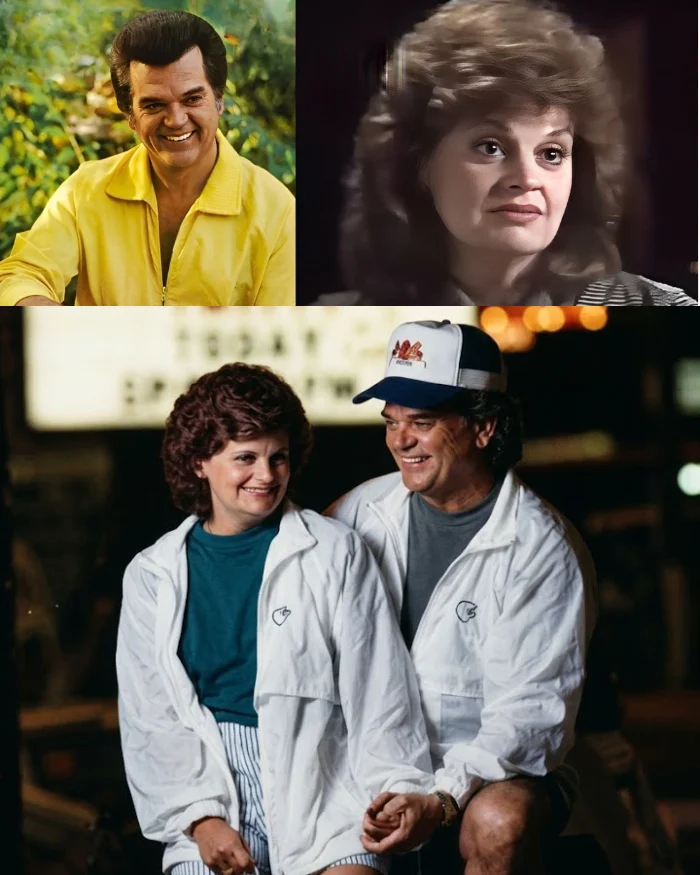
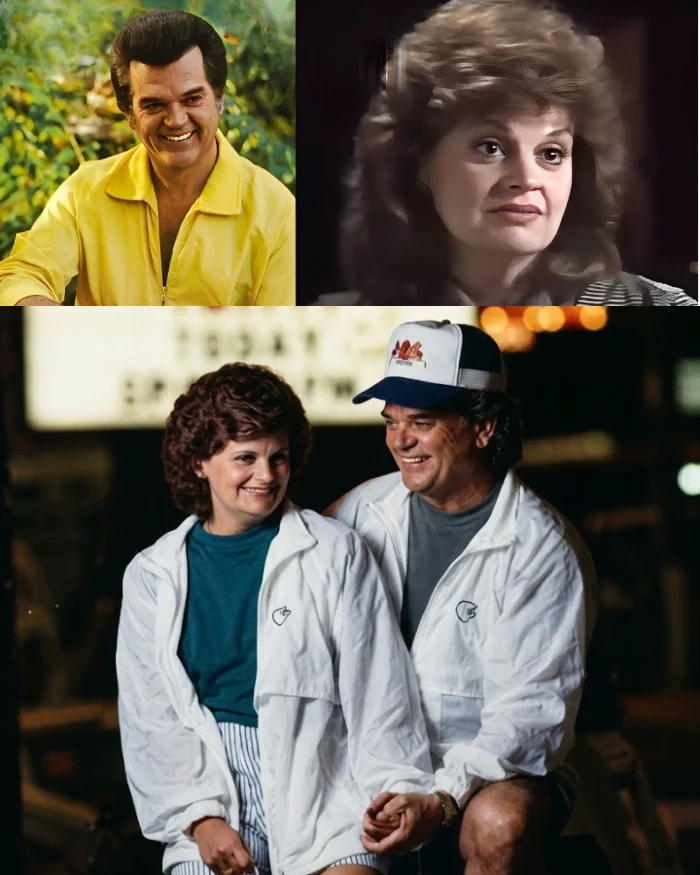
The applause was still ringing in Branson when Conway Twitty walked off the stage for the last time, and the crowd had no idea it had just witnessed a farewell. On June 4, 1993, at the Jim Stafford Theatre in Branson, Missouri, the 59-year-old artist was battling severe physical pain. Instead of canceling, he pushed through the distress and delivered a complete show.
By the early 1990s, Branson had become a booming second capital for country music, drawing massive crowds and legendary performers to its theater-lined strip. Twitty, who held a record 55 number one hits, was a cornerstone of that live circuit. He respected the working-class fans who spent hard-earned money to see him, and he knew what they expected when they bought a ticket. They wanted the low, growling intimacy of his voice and the steady stage presence he had perfected over four decades.
As showtime approached that Friday night, those closest to him knew he was in trouble. At 59, he was battling intense stomach distress and a deep ache that would have stopped most performers. Instead, Twitty put on his stage clothes and walked into the theater lights.
When he delivered his familiar spoken-word greeting, the crowd erupted, completely unaware of the physical toll it took for him to simply stand there. He pushed through exhaustion and delivered a complete, flawless set. He did not shorten the arrangements, and he did not rush the goodbyes. The fans in the seats received the show they paid for, fully shielded from the battle behind the microphone.
Minutes after the final applause faded, Twitty retreated to his tour bus, the rolling sanctuary where he decompressed between thousands of miles of highway. The plan was to drive through the night to Hendersonville, Tennessee, for Fan Fair, the huge week-long gathering of artists and listeners in Nashville.
The bus never made it out of Missouri. Shortly after boarding, the quiet routine of a post-show road trip became a frantic emergency. Twitty collapsed near the front of the vehicle and lost consciousness. His wife, Delores, tried desperately to hold him and coordinate help as the severity became terrifyingly clear.
He was rushed north to Cox South Hospital in Springfield. Doctors found a ruptured abdominal aortic aneurysm, a catastrophic internal condition that is often rapidly fatal. Medical teams took the country icon into emergency surgery and fought for hours to repair the damage. Despite exhaustive efforts, the internal trauma was too severe. In the early morning hours of June 5, 1993, Conway Twitty passed away.
By sunrise, the news reached Nashville just as Fan Fair was waking up. A festival built as a loud, joyous celebration of country music became a collective mourning ground. Artists and fans wept openly on the fairgrounds, struggling to process the sudden loss of a man who had seemed like a permanent, indestructible pillar of the industry. There was no farewell tour, no final press conference, and no warning.
The sudden departure left a permanent void in the genre he helped define. Yet the timeline of his final hours is anchored by a profound sense of character. Conway Twitty spent his last conscious day refusing the easy way out. He walked onto a Missouri stage in pain, protected his audience from his suffering, and gave his very last measure of strength to the people waiting in the dark.
He shielded his audience from his suffering and gave his last strength to the people waiting in the dark.