
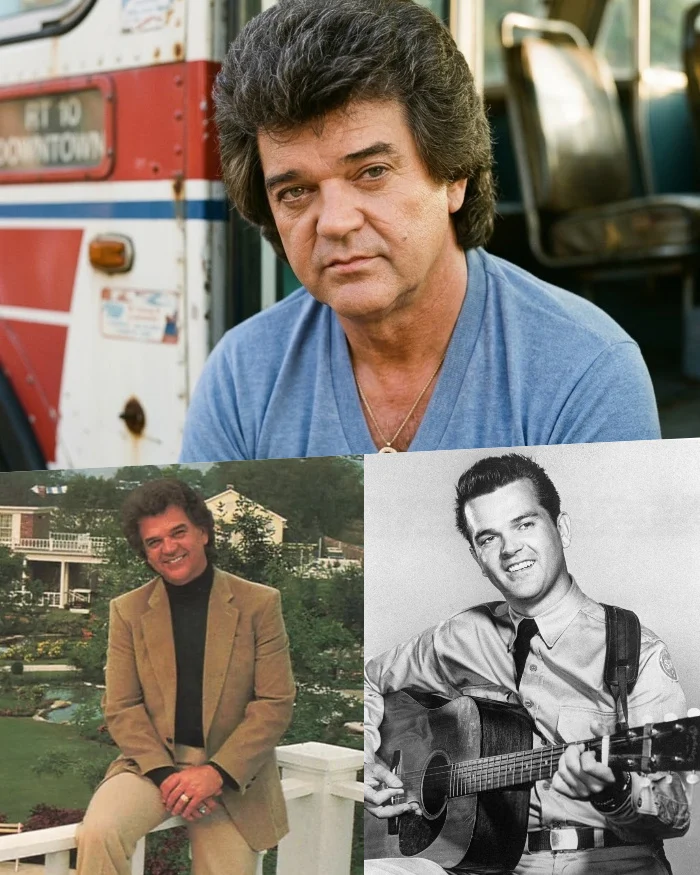
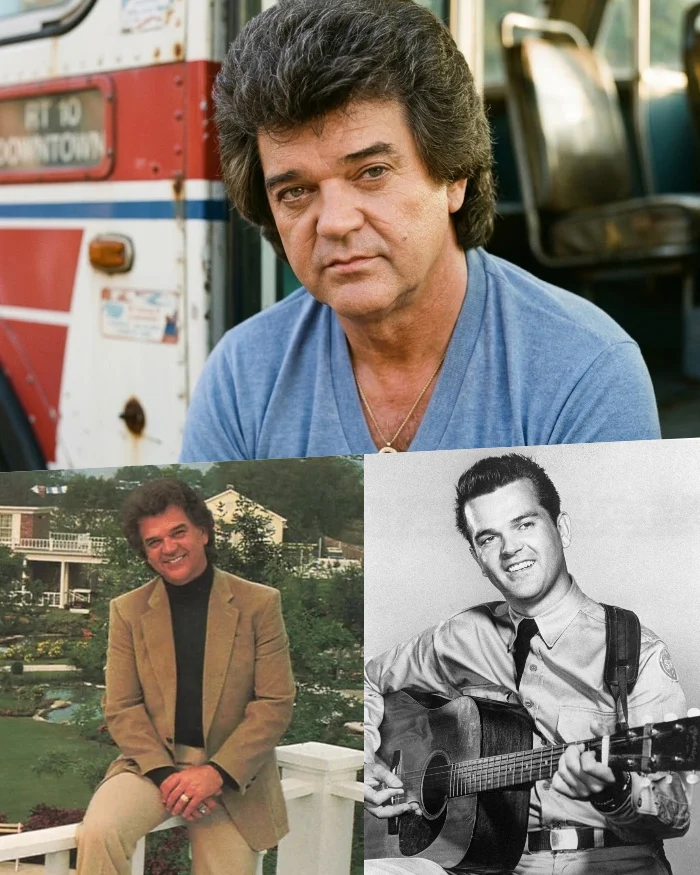
High above Earth in July 1975 a quiet cabin became a bridge between two rival nations when astronaut Thomas Stafford pressed play on a tiny cassette tape and Conway Twitty‘s deep voice carried a Russian greeting into space 🚀
The Apollo-Soyuz Test Project was the first joint orbital mission between the United States and the Soviet Union. American and Soviet crews were trying to turn decades of tension into a visible sign of cooperation. Stafford wanted a human gesture that could reach the cosmonauts without politics.
He chose country music and asked Conway Twitty to record his famous song Hello Darlin in Russian. The request sounded impossible because Twitty did not speak Russian. He accepted anyway and brought Professor Gurij Chemelev from the University of Oklahoma into the Nashville studio.
For hours Twitty studied foreign sounds and reshaped his Southern drawl around unfamiliar syllables. He wanted the greeting to feel sincere and respectful. The result was a Russian version titled Privet Radost.
The recording was placed on one small cassette and loaded into the American command module. On July 19 1975 the two spacecraft were linked together while the crews worked side by side in orbit. Before the historic undocking Stafford played the tape.
Twitty’s warm baritone filled the cabin and the broadcast reached Mission Control in Houston. One controller joked that it sounded like a transmission from far Western Oklahoma around Kiev. The moment turned a country heartbreak song into a musical handshake between enemies.
For a few minutes in the silence of space a country music legend gave two rival nations a reason to simply listen.
Stafford later gave the physical cassette to Soviet Commander Alexei Leonov and Flight Engineer Valeri Kubasov as a permanent gift. The cosmonauts were surprised by the effort and the warmth behind it. The Cold War formality softened into a shared human experience.
On Earth Twitty watched the mission from a Los Angeles dressing room before a concert. Walter Cronkite reported the broadcast while the singer listened to his own voice floating among astronauts and cosmonauts. He had spent years performing for packed honky tonks and grand theaters but this tiny audience in orbit felt different.
The Apollo-Soyuz mission ended and the crews returned home. The tape remained a remarkable symbol of how a song shaped in a studio could cross language borders and reach a cold expanse of space 🌟