
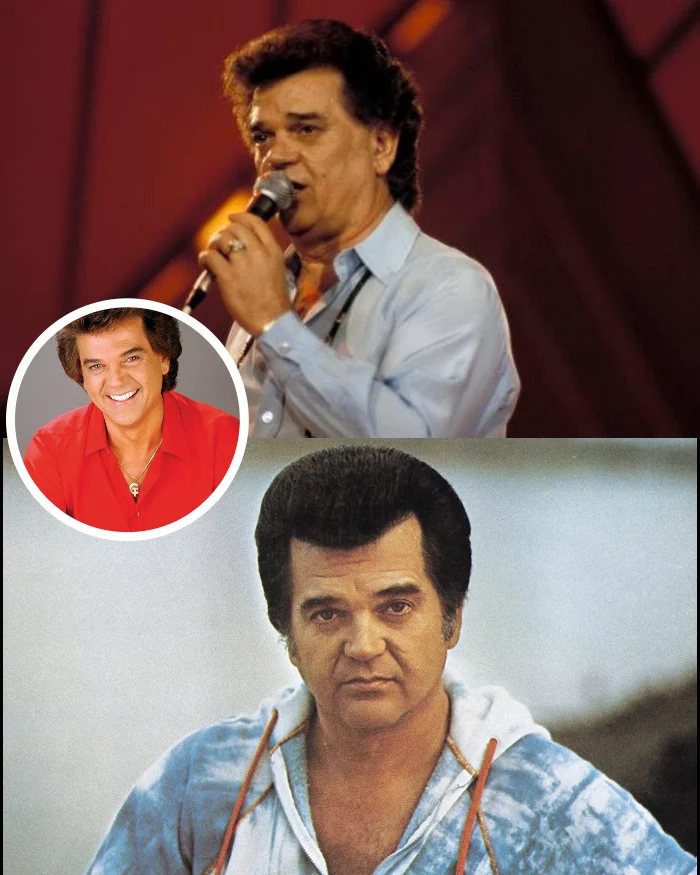
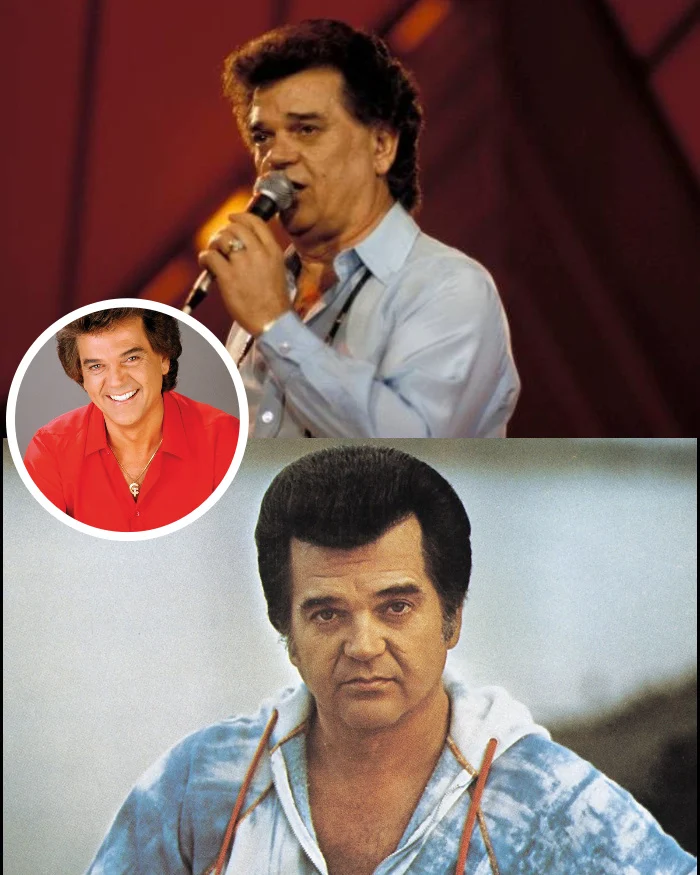
The diesel engine hummed through the dark Missouri night as the Twitty Bird carried Conway Twitty toward Nashville. Inside the customized tour bus that had long been his home away from home, the 59-year-old singer was returning from another demanding run in Branson. Then a quiet medical emergency turned the road into a frantic race against time.
Somewhere along the route in early June 1993, Twitty collapsed from an abdominal aortic aneurysm. His wife Mickey and the crew quickly recognized the severity of his sudden pain. The driver abandoned the planned route back to Tennessee and pushed the heavy coach through the night toward Cox Medical Center South in Springfield.
Hours earlier, Twitty had stood in the spotlight at the Jim Stafford Theatre in Branson. Those who were there later noted that he had been pushing through severe physical discomfort during the set. Yet he refused to cancel the appearance or cut the music short.
He delivered the signature setlist his fans had traveled from across the country to hear. The theater echoed with the familiar gravelly warmth of his voice as he moved through his catalog of classics and ended with his trademark closers. No one in the room knew the curtain was falling for the last time.
He was the best friend a song ever had
After the show, Twitty bypassed a local hotel stay and boarded the bus heading for Nashville. When the aneurysm struck, the routine overnight drive became a desperate bid to beat the clock on a devastating internal rupture. Despite immediate emergency surgery upon arrival, the damage was too severe to repair. Twitty passed away on the morning of June 5.
His unexpected death laid bare the physical cost of a relentless touring schedule. Behind the velvet voice and the polished stage presence was Harold Lloyd Jenkins, a former Mississippi ferryboat driver’s son who simply kept showing up for work until his body could no longer sustain the pace.
At the time of his passing, Twitty had amassed an unprecedented 55 Number One hits. He had transitioned from a rockabilly teenage idol to the ultimate country balladeer, yet he never allowed the staggering numbers to separate him from the people who bought his records.
Twitty possessed a rare ability to sing directly to the listener. His career was built on songs that understood heartache, devotion, and the quiet struggles of everyday relationships. He delivered every note with unyielding sincerity.
He did not spend his final conscious hours in a sprawling estate or within the gates of his famous Twitty City complex. He was on a moving vehicle, surrounded by the familiar hum of a diesel engine and the tight quarters that held his stage suits and his guitars.
The bus offered a quiet shelter after thousands of noisy arenas. It was a physical reflection of a man who treated country music not as a platform for untouchable celebrity but as a lifelong blue-collar job.
He never relied on flashy stage antics or media scandals to keep his name in the press. He simply stood at the microphone, delivered his heart to the audience, and climbed back onto the bus to do it all again the next night.
The road ultimately took a heavy toll on his health, but it was also the only place he truly belonged. His remarkable journey did not end with a grand industry farewell. It ended with the quiet hum of a highway carrying him home one last time.