
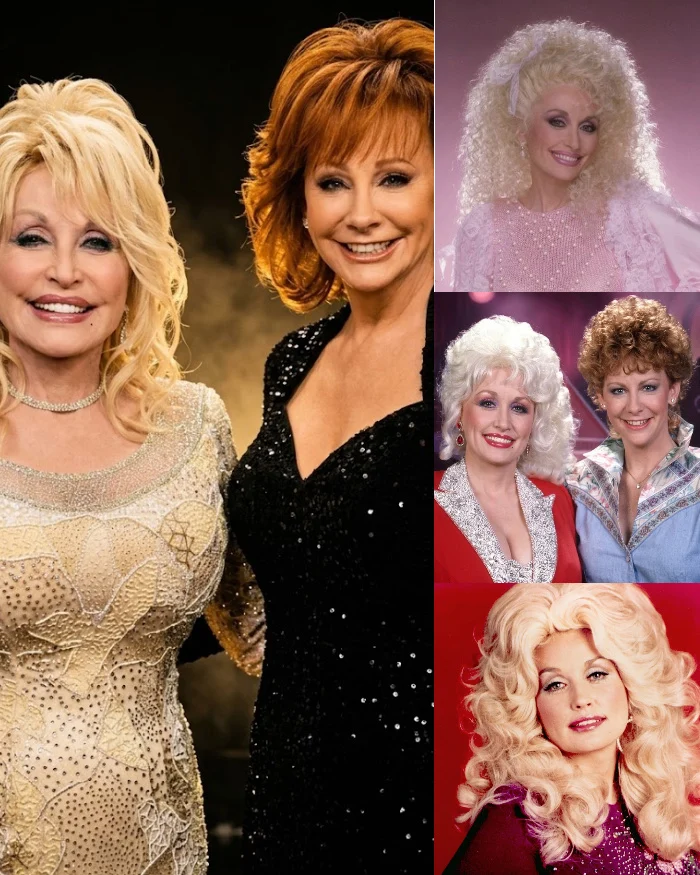
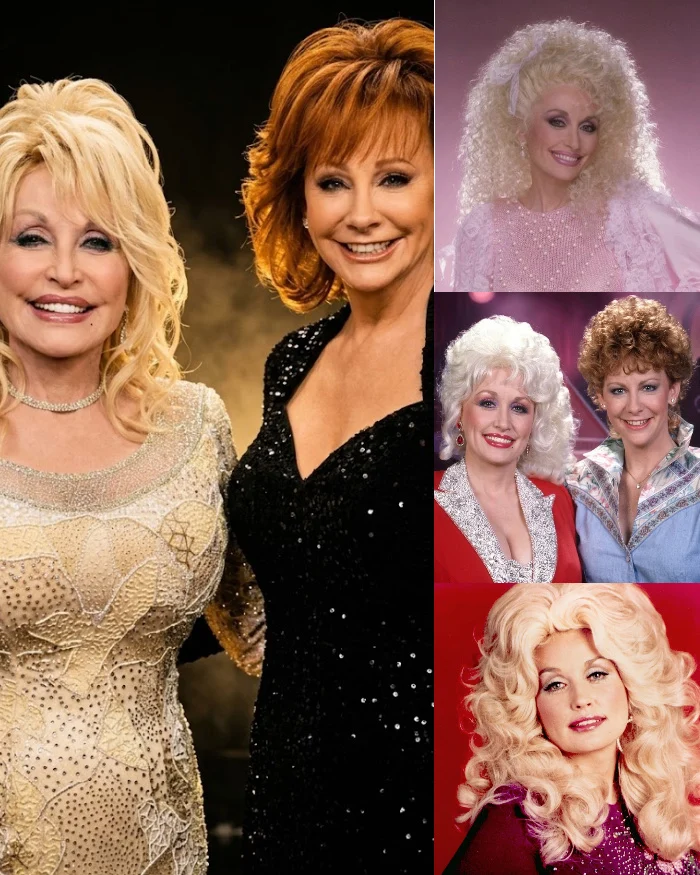
That is when the phone rang. In the absolute darkest moment of her life Reba McEntire heard from a friend who refused to offer only sympathy while her world lay in ruins.
Here, take my band.
On March 16 1991 McEntire lost eight members of her road family when their charter plane crashed into the side of Otay Mountain near San Diego. The tragedy stripped away the foundation of her career in an instant and brought her professional life to a sudden and agonizing halt.
Her tour manager Jim Hammon was killed along with band members Kirk Cappello and Chris Austin and Terry Jackson and Anthony Facciolo and Joey Cigainero and Michael Thomas and Paula Kaye Evans. They were aboard the first of two planes carrying her crew and it went down shortly after takeoff following a private corporate show. McEntire and her husband had decided to stay behind and take a later flight and that choice spared her life but left her to navigate the aftermath of an unfathomable loss.
To Reba these eight people were not just employees. They were a road family who had lived through countless highway miles and musical milestones by her side and losing them all in a single night left her entirely shattered. For a vocalist who had spent years treating her touring crew as a second family the prospect of stepping back onto a stage seemed completely unimaginable. Looking behind her to see strangers filling the spaces where her closest friends used to stand felt like an impossible hurdle and she later admitted she did not know if she would ever be able to perform again.
Dolly Parton did not offer standard industry condolences or a brief word of sympathy. Having spent decades on tour buses herself she recognized exactly what the isolation of the road demanded and what the sudden silence meant. Parton asked her grieving peer what she needed and followed that question with an unprecedented and selfless offer.
Parton immediately backed up her words with practical support and concrete action. She sent her own music director and bandleader Gary Smith directly to the side of McEntire. Holding auditions in Nashville just weeks after burying her friends was an agonizing burden and Smith stepped in to manage the logistical weight of the process. He vetted players and helped structure a new touring unit and held the process together so McEntire could focus on simply surviving the grief while she lacked the emotional strength to rebuild alone.
The broader country music community quietly closed ranks to provide additional cover. Vince Gill reached out with a similar offer of unconditional support and told McEntire he would gladly sing and play on stage with her until she felt steady enough to carry a show. It was a fiercely loyal and unpublicized industry response that built a safety net underneath her fractured career.
Before she could face a live audience again McEntire had to find her voice in the studio. She channeled the immediate grief into her next project For My Broken Heart. Released in October 1991 just seven months after the crash she dedicated the record entirely to her eight buddies. The recording process was raw and the material was so intensely personal that McEntire reportedly recorded some of her vocals in a single take because she could not endure the emotional toll of running through the songs multiple times.
When the lights went completely out on her world a friend shared her own light to help her find her way out of the dark.
The album became a crucial instrument of healing and eventually shipped two million copies. However the grief remained so close to the surface that she rarely performed the most painful tracks live in the years that followed.
When McEntire finally did return to touring the stage looked completely different. The new band assembled with the quiet guidance of Smith took their places behind her. The process of rebuilding a road family from scratch had not erased the tragedy of the San Diego crash and she carried the memory of her lost band members into every venue she played. She dedicated her wins at the CMA Awards that year to the friends who were no longer there to share the stage but the decisive intervention of artists like Parton and Gill ensured she did not have to face the empty spaces alone.
Today McEntire remains one of the most dominant touring forces in country music history. Yet the infrastructure of that eventual return relied entirely on a lifeline thrown by a peer. A friend had simply handed over her own musicians to help her find her way back to the microphone and Reba bravely carried the memory of the band she lost into every performance that followed.