
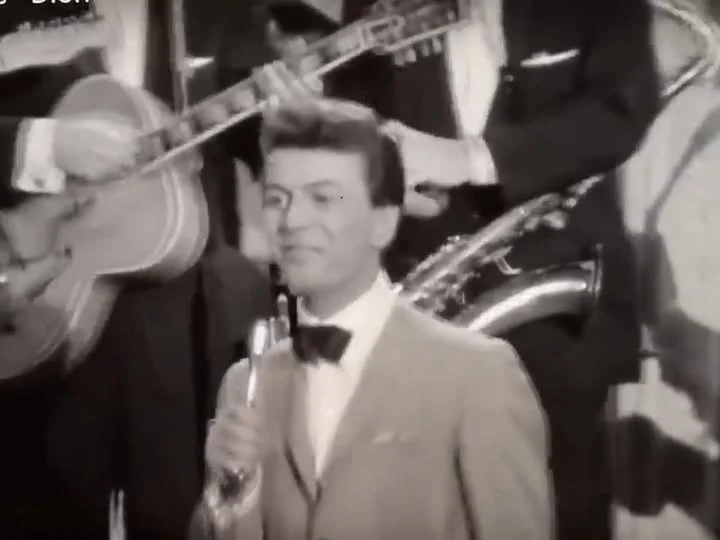
Play Runaround Sue in any room and watch what happens. Feet start tapping before the first verse finishes. Hands find their way into clapping without a conscious decision. Strangers catch each other’s eyes and grin. That is the power of a song that has not stopped moving since Dion DiMucci first let it loose in 1961. The warning embedded in the lyric matters less than the sheer joy in the delivery, and that balance of caution and celebration is exactly why the record refuses to age.
Before all of this, Dion sang with the Belmonts. But by the time Laurie Records released this landmark single, he was stepping into a solo spotlight that fit him like a favorite jacket. The album that followed, also titled Runaround Sue and released on Laurie Records, came together in the same electric stretch of sessions that produced its famous sibling The Wanderer. Those two tracks anchored a collection that felt less like a set of singles and more like a night out in the singer’s neighborhood. In a musical era when full-length records were often padded with throwaway covers, this one carried a distinct personality from the first groove to the last.
Strip away the nostalgia and you will find an arrangement of startling economy. The drum kit offers a tight, dancing backbeat with snare cracks that cut through the air like a signal. The bass stays locked to the kick, pushing a steady eighth-note groove that never gets in its own way. Guitars work in clipped, percussive strokes, keeping the middle of the mix open and letting the voices bloom. A saxophone pops in exactly when needed, not for a long spotlight but for short, bright interjections that frame the changes. Handclaps and tambourine act like a second rhythm section, and the group vocals turn every chorus into a crowded street gathering.
Those backing voices are the engine of the record. Many aficionados point to the Del-Satins as the vocal group on these sessions, and their call-and-response with Dion gives the track a conversational quality. He sings a line and they answer it. He throws out a phrase and they toss it back. That back and forth makes the song feel alive, as if it is being invented in the moment. The mono mix serves the performance perfectly, keeping each element visible inside a warm and lively room sound.
Here’s my story, it’s sad but true
The lyric begins with the oldest trick in the pop song book. A storyteller shares a painful lesson so that someone else can avoid it. Sue runs around and the narrator has the bruises and the hard-earned wisdom to prove it. But there is no gloom here. The chorus turns into a chant that feels less like revenge and more like community protection. Keep away from Runaround Sue becomes a song anyone can shout, a friendly neighborhood advisory delivered with a laugh and a hand on your shoulder.
Dion pushes the song over the top with sheer vocal charisma. He slides into syllables, hovers behind the beat, then snaps a line into focus at exactly the right moment. There are blues shadings in his melismas and a preacher’s rhythm in his cadence. The voice feels like a friend telling you something in confidence and a frontman holding a crowd at the same time. It is a delicate trick and he makes it look effortless.
Underneath it all, the harmony stays humble. Primary chords, quick turnarounds, no unnecessary complexity. But the smaller moves reveal the craft. The backing voices outline chord tones with care. The harmonies thicken just before the hook, as if the room is taking a deep breath. The bass sits high enough to be felt and low enough to ground the dancers. The song is easy to love and even easier to analyze, if you feel so inclined.
The recording itself deserves attention. This is a performance captured as a single event, long before multi-track technology offered endless second chances. The reverb comes from an actual chamber or plate, tight enough to keep the rhythm crisp and warm enough to surround the voices with air. The horns and voices rise slightly when the chorus enters, making it sound like the whole crowd has leaned into the microphone. Everything sits neat and present, ready for a 45-rpm turntable or an AM radio dial.
The storytelling also places the song in a wider musical family. The character sketch and the moral at the center echo country tradition. The disciplined development of a single motive recalls the rhetoric of older European forms. Add the street-corner doo-wop and the swinging rock-and-roll rhythm and you have a record that gathers many influences into one irresistible package.
Listen on a good pair of speakers and the details reveal themselves. The handclaps sit slightly behind the snare on the verses and then loosen up in the chorus. The electric guitar plays choppy figures at the start of lines and takes a breath at the end. The bass occasionally steps just ahead of the kick drum, creating little bursts of forward motion. These choices add up to a groove that the body understands before the mind notices why.
When the single hit the top of the U.S. pop charts, it locked in Dion’s status as a solo star and placed him at a fascinating turning point in American music. The record sits between the doo-wop years and the harder rock-and-roll that primed listeners for the British Invasion. Garage bands and power-pop acts would later follow the blueprint so clearly laid out here. The song still shows up in oldies rotations and wedding playlists and bar band setlists because that blueprint remains sturdy.
For anyone looking to hear the record today, many options exist. Streaming services provide multiple masterings that highlight different aspects of the sound. Some emphasize the sparkle on top while others keep the midrange punch strong. A clean original Laurie 45 is the most direct way to feel the original transient snap. Those who want to buy vinyl record online will find later reissues that clean up noise without flattening the life out of the tape. The parent album deserves the same kind of attention because it hangs together as a true set, not just a hit single with filler around it.
In Dion’s larger story, this album represents a singer balancing commercial pressure with a genuine sense of self. There are covers and standards in the tracklist, as was standard practice at the time, but his voice reshapes them into something personal. The consistent production style gives the whole record a unified mood. Decades later, that mood still transports a listener straight into a neon-lit moment in the early sixties.
Is this a groundbreaking work of harmonic experimentation? Not at all. Its genius lies in doing simple things perfectly. A cautionary tale becomes a danceable anthem. A broken heart becomes a reason to gather and shout. The song takes the oldest human experiences and wraps them in handclaps and harmony until they feel like the most joyful news in the world. More than sixty years later, a room full of people will still answer that call without hesitation.
If Runaround Sue gets your blood moving, a handful of other tracks share its spirit. Dion‘s own The Wanderer struts in with a companion swagger. A Teenager in Love with the Belmonts delivers doo-wop tenderness. Frankie Lymon and the Teenagers built the youthful template with Why Do Fools Fall in Love. The Four Seasons brought tight harmony and soaring lead to Sherry. The Del-Vikings offered rolling bass on Come Go with Me. Danny and the Juniors nailed the dance craze energy of At the Hop. Joey Dee and the Starliters kept the sax and backbeat party going on Peppermint Twist. Freddy Cannon turned a boardwalk ride into rhythmic gold with Palisades Park. And The Crystals carried the storytelling flame into the wall of sound with Then He Kissed Me. Every one of these songs understands the same basic truth that great pop music needs a melody you cannot shake and a groove you cannot resist.
At the end of the day, Runaround Sue is one of those rare records where craft hides inside pure fun. The interplay of drums and hands, the strategic arrival of the chorus, the unerring sense of when to push and when to pull back. All of it combines into something that feels inevitable. The album around it captures that same spark from start to finish, a portrait of an artist and an era moving at full speed. Whether you listen through a streaming playlist or a beloved piece of vinyl, the song still looks bright and alive in the rearview mirror of American pop.
This song was built to last
That is hardly an overstatement. A warning and a welcome in the same breath, a smile in the voice and a beat under the feet. Runaround Sue has earned every inch of its legend.