
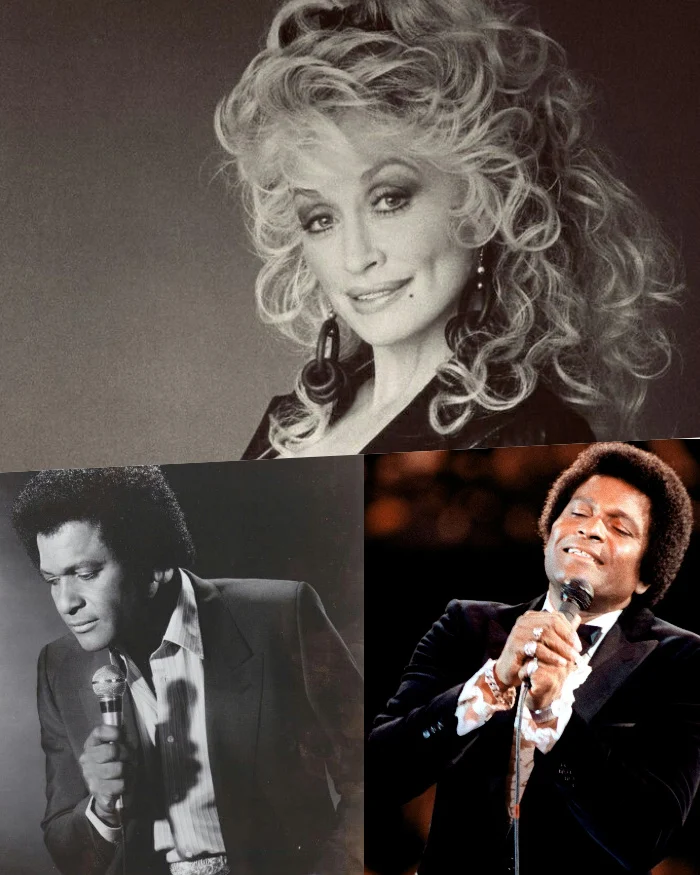
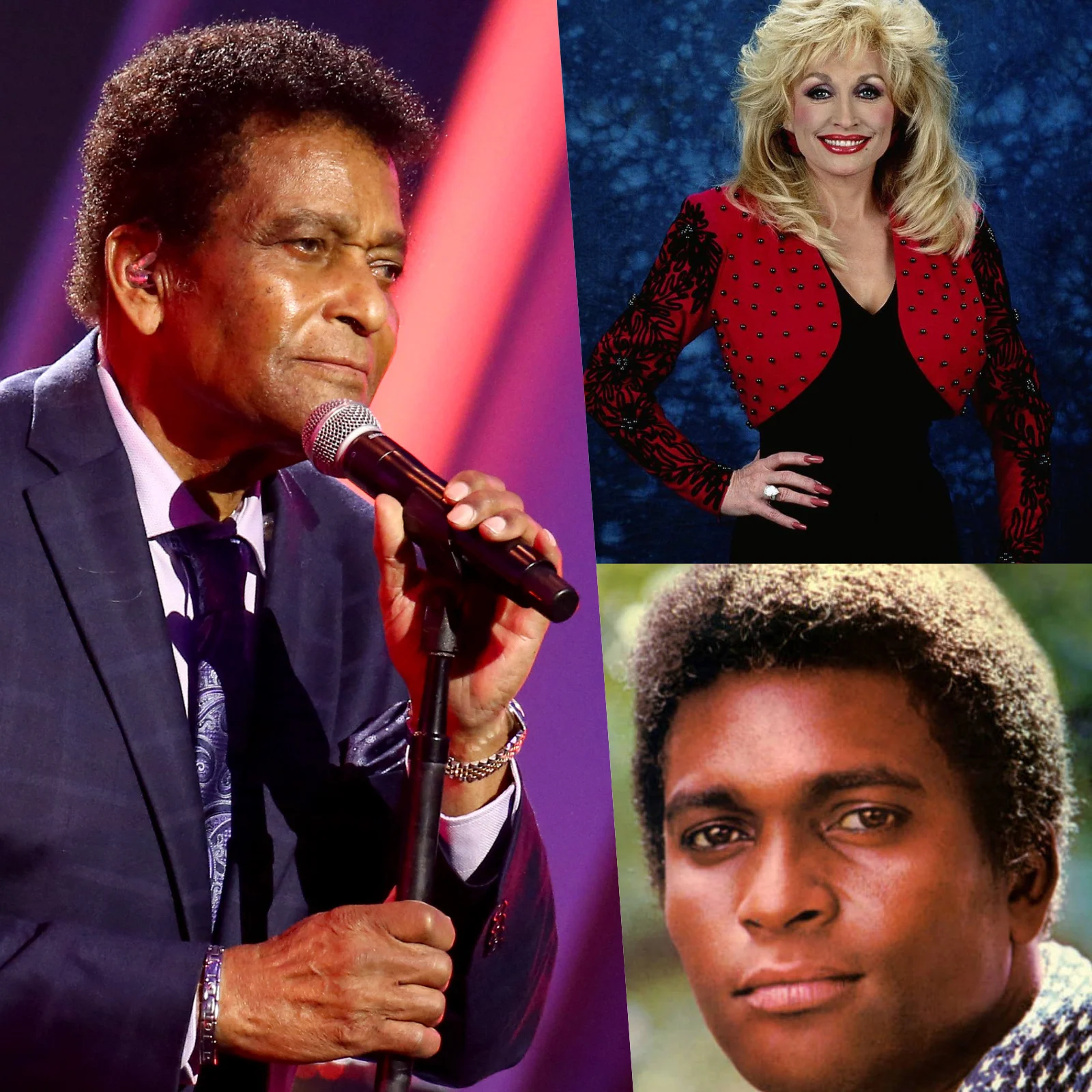
Dolly Parton leaned into the camera in 2019 and delivered a warning that still echoes through Nashville.
She told the country music establishment that Charley Pride had outworked and outsold almost all of them, and she did it with the protective force of a friend who knew exactly what that victory had cost him.
Charley Pride had outworked and outsold almost all the “white boys” who had initially doubted his place in the genre
That sentence was not a casual compliment. It was a public defense of a man who spent decades too humble to demand praise, and it carried the weight of two careers shaped by hunger, bias, and stubborn courage.
Pride arrived in Tennessee as a former Negro League baseball player and cotton picker from Sledge, Mississippi. When RCA Records released his first singles, the label feared that country radio would reject a Black artist and sent the records to stations without a publicity photo.
His voice made the fear impossible to sustain. The baritone was so undeniable that songs climbed the charts, and Pride had to carry that success onto stages across the segregated South.
There were nights when a crowd fell silent the moment he stepped under the lights. Some audiences refused to applaud simply because a Black man held the microphone. Pride did not meet that coldness with rage. He stood his ground and sang.
He simply stood his ground and sang
That quiet endurance became a historic catalog. Pride eventually racked up twenty-nine number-one hits on the Billboard charts, a dominance built in rooms where many people wanted him to fail.
Dolly Parton understood the price of that triumph because she was fighting her own battles in the same conservative buildings. She climbed out of Appalachian poverty while defying rigid gender expectations and executives who wanted to control her publishing.
They watched each other survive a system that often rewarded caution and punished difference. Their loyalty was forged away from the spotlight, in cramped green rooms where prejudice could make a simple backstage silence feel like a wall.
When a room grew tense around Pride, Parton refused to participate in that distance. She would walk straight over to him, sit beside him, and speak in a warm and loud way that forced the space to accept his presence.
Their conversation skipped music business politics and landed on rural poverty, farming, family, and survival. Two working musicians built a safe space inside an industry that kept many doors closed.
By the time Parton sat for the 2019 documentary Charley Pride I’m Just Me, she was speaking as a Hall of Fame icon determined to make history record the truth correctly. She knew Pride had absorbed the friction of a changing American culture so later artists could face an easier path.
He dismantled prejudice with a calm voice and a steady smile. Parton used her own fame to make sure that gentleness was never mistaken for weakness.
Her defense was a gift to a longtime friend. It was also a reminder that legacy is not only built by hits and honors, but by the people who insist that the struggle behind the success is remembered.