
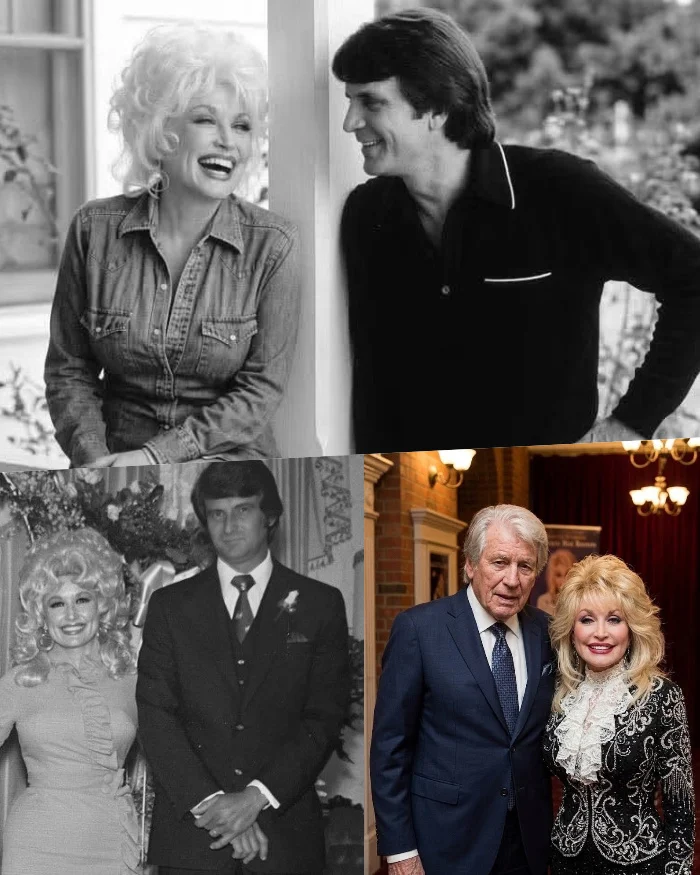
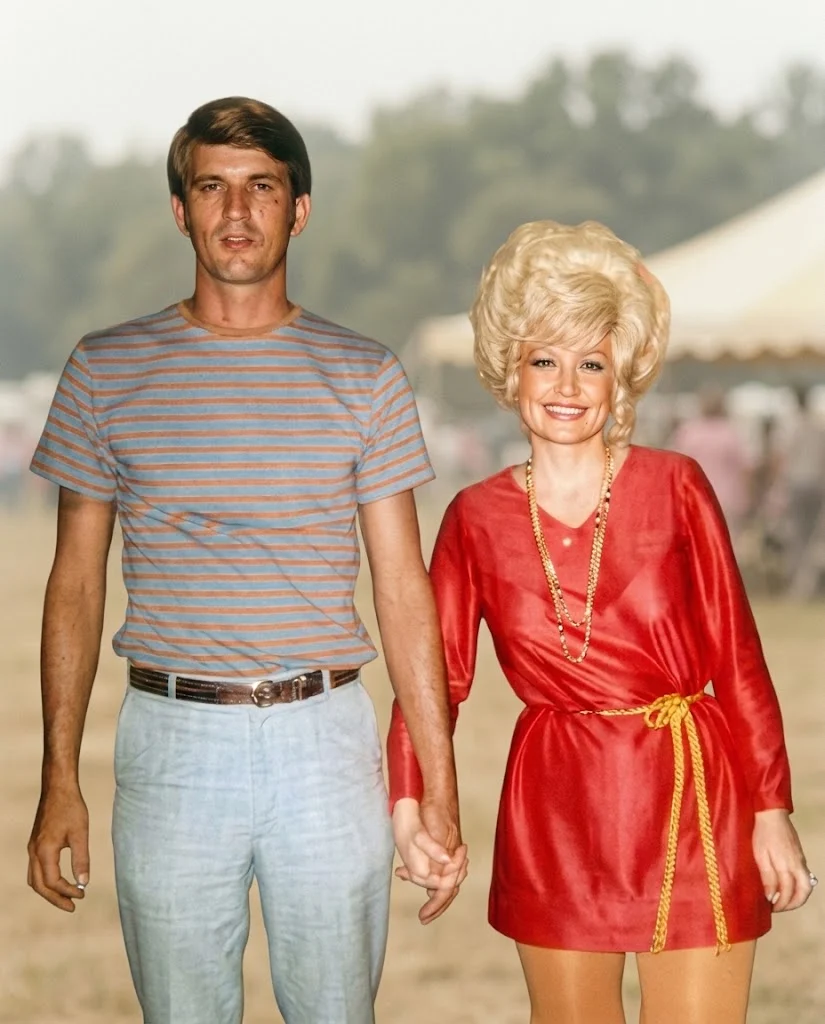
At the end of a roaring night in a packed arena, Dolly Parton could step into her kitchen and become just a wife again. That sudden calm was no accident. It was a rule she and Carl Dean built around their marriage long before her name became a global brand.
Dolly Parton sold millions of country records around the world. Yet the music that often filled their living room came from hard rock bands. Carl Dean favored the driving thunder of Led Zeppelin over the steel guitars that helped make her famous.
The couple met outside a Nashville laundromat in 1964. They married in Georgia two years later. From the beginning, they drew a clear line around their home. The superstar image, the charting singles, and the worldwide fame stopped at the front door.
After grueling international tours, Parton removed the heavy wigs, the rhinestone coats, and the towering heels. In the kitchen, she did not need to perform for the man across the table. Carl Dean never looked at her with the admiration of a fan. His steady gaze offered the quiet protection of a husband.
That difference in taste became a refuge. Hearing rock basslines instead of her own studio tracks gave her a mental reset. It reminded her that her worth inside the house had nothing to do with vocal range or ticket sales.
The division of identities became vital during the heaviest demands of her career. As she crossed over into pop music and Hollywood box office success in the 1980s, the entertainment business threatened to consume her schedule.
But their private conversations rarely circled around fame. After topping the Billboard charts or finishing a film, Dean avoided contract negotiations, critical reviews, and royalty statements. Their kitchen table talks focused on his local asphalt paving business, the maintenance of their familiar RV camper, and simple chores waiting in the yard.
His pragmatic and unimpressed perspective brought her back down to earth whenever celebrity stress followed her inside. Dean did not attend red carpet premieres, glamorous galas, or industry awards banquets. He did not need flashbulbs, public recognition, or arena validation to be proud of the woman he married.
Their best moments happened on backroads of America, traveling anonymously in their camper without bodyguards or publicists. Those quiet highway stretches proved that her most secure relationship did not depend on the spotlight the rest of the world craved.
Their partnership stands as one of the most enduring and fiercely protected relationships in country music history. The massive tours, the theme parks, and records that reached diamond status defined an era of American entertainment.
But the woman who wrote legendary songs survived the weight of her own success because of the man waiting in the kitchen.
The music always belonged to the world, but the silence belonged to them.