
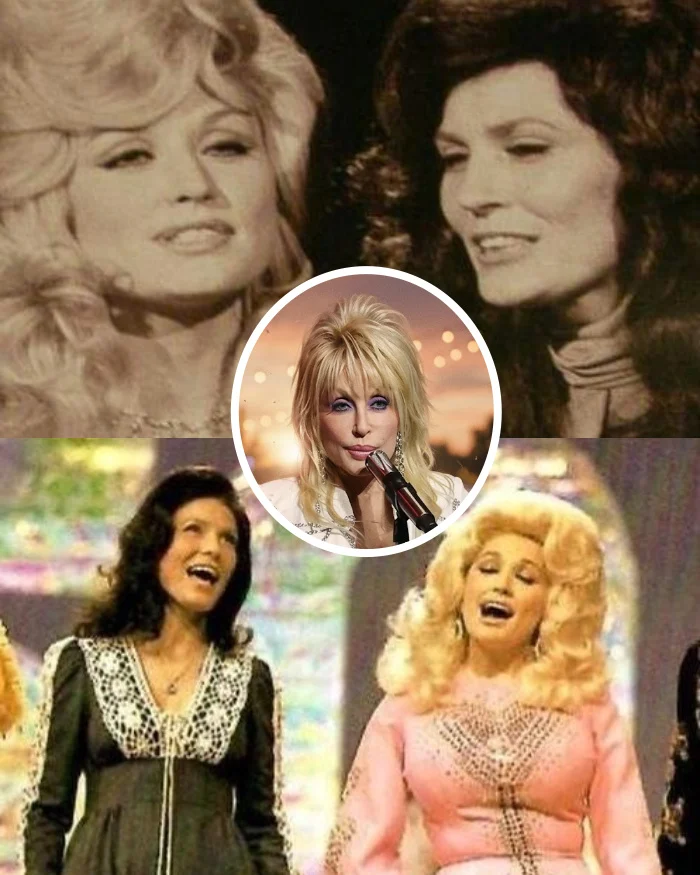
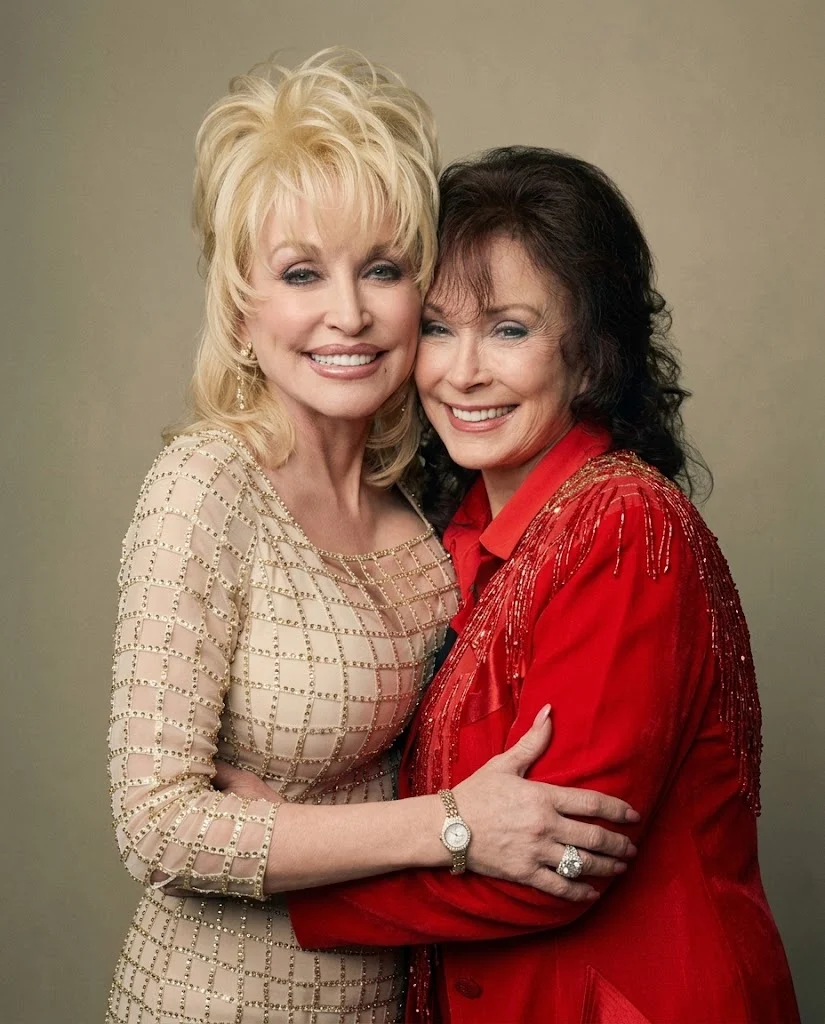
When Dolly Parton said goodbye to Loretta Lynn after Lynn’s death on October 4 2022 the grief felt like more than a public tribute. It felt like a woman losing the one person who had watched her fight for radio play in Nashville with nothing but grit and song.
Lynn died at ninety at her home in Hurricane Mills Tennessee. The country music world mourned a pioneer who reshaped American storytelling. Yet Parton’s words carried a quieter and heavier kind of loss. She was not simply honoring a Hall of Fame peer. She was saying goodbye to a sister.
Their bond began in the same hard soil. Lynn rose from the coal mining hollows of Butcher Hollow Kentucky. Parton grew up in a one-room cabin in the foothills of the Great Smoky Mountains. Both arrived in Nashville in the 1960s as young unknown singers carrying rural hardship, sharp ambition, and a need to be heard.
Music Row did not welcome independent women with open arms. It pushed them into narrow roles. Lynn performed alongside the Wilburn Brothers. Parton worked under Porter Wagoner. The industry expected women to smile, sing harmony, and compete for the few slots program directors gave them.
Parton and Lynn refused that script. For six decades they navigated a business that constantly searched for younger faces. They did not treat each other as rivals. They built a private sanctuary away from cameras, executives, and that hunger.
Two mountain women carried each other through the fame that tried to turn them into brands.
Behind dressing room doors and over late-night phone calls they shared the truth no stage could show. They talked about exhausting tours. They talked about fighting male mentors for publishing rights. They talked about the strain of maintaining signature wigs, heavy makeup, and larger-than-life public images. In those moments they could set the armor aside and simply lean on one another.
That backstage sisterhood gave them courage. Lynn wrote boldly about working-class women’s lived experiences and double standards. Parton claimed ownership of her vast publishing catalog and carried her artistry far beyond country music.
Even in their seventies and eighties both women kept releasing records and proving their staying power. They remained matriarchs of an entire genre. Yet the industry had long changed. The male mentors and executives who tried to control their early careers were gone. Lynn was one of the last mirrors Parton had to her own youth and the silent battles fought backstage.
With Lynn gone Parton faced a unique kind of isolation. The public saw a global superstar offering a brief statement. The private chapters belonged only to two women who knew what it cost to survive Nashville and stay themselves.