
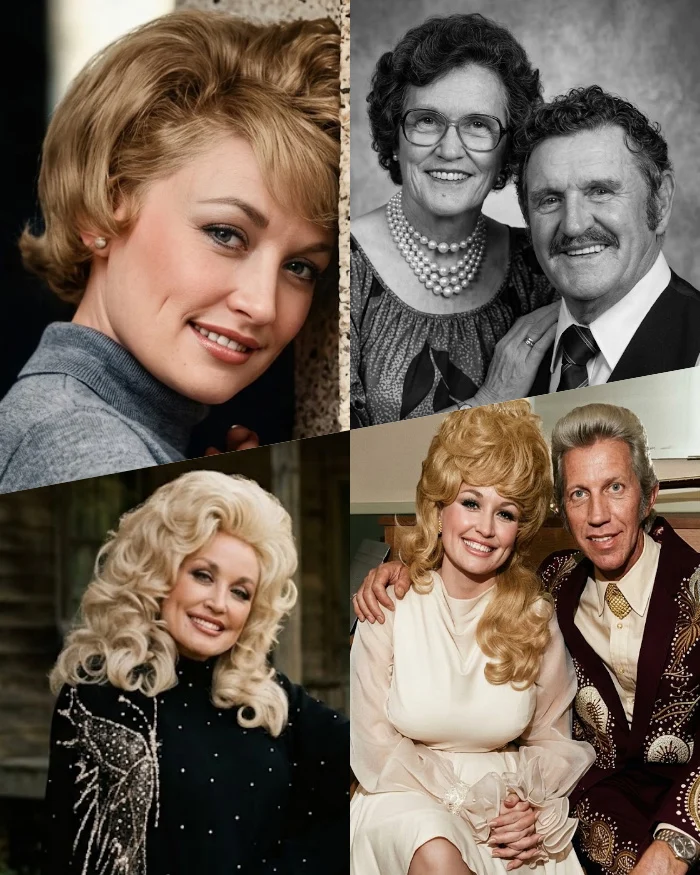
Dolly Parton held out the keys to Robert and Avie Lee Parton, and the smallest room in the house felt larger than any stage she had ever sung on.
Her first major money from Nashville arrived in the late 1960s after her partnership with Porter Wagoner changed the direction of her career.
She did not spend those early paychecks on luxury cars, diamond rings, or a mansion built for public applause.
She spent them on a deed in Sevier County, Tennessee, and on a spacious modern house that could finally keep winter out.
The first fortune she earned became a warm home before it became a symbol of fame.
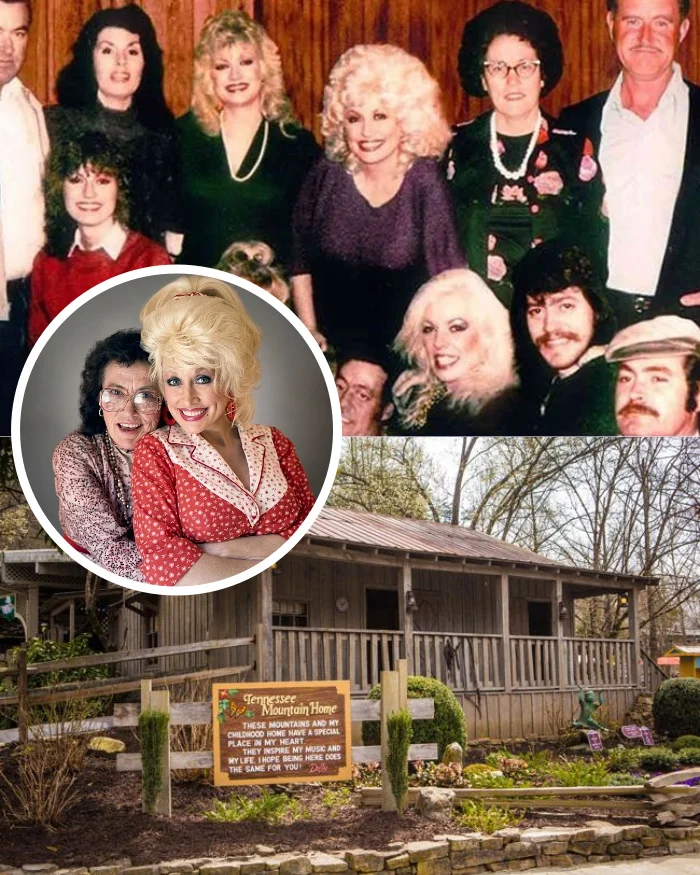
For years her parents had raised twelve children in a decaying one-room wooden shack at Locust Ridge, deep in the Smoky Mountains.
There was no electricity, no indoor plumbing, and no central heat.
Cold air slipped through the cracks in the walls, and water had to be carried in from a nearby spring.
The new house gave them a permanent sanctuary large enough for the whole family during holidays, with a reliable furnace and running hot water at the turn of a handle.
Parton deliberately kept them near the familiar ridges instead of moving them into an isolated wealthy neighborhood.
She wanted to lift the crushing weight of poverty without erasing their heritage.
The daughter born on a bed of straw, whose medical bill was paid with a sack of cornmeal, had become the protector of her family.
The house answered an era when Avie Lee sewed clothes from scraps and Robert worked through brutal snowstorms just to put food on the table.
Handing over the keys was only the beginning of the change.
Robert and Avie Lee had to adjust to sudden comfort, and the family set private rules to keep their mountain identity intact while Dolly rose into global fame.
That home proved that industry applause meant little to Parton if it could not buy peace for her parents.