
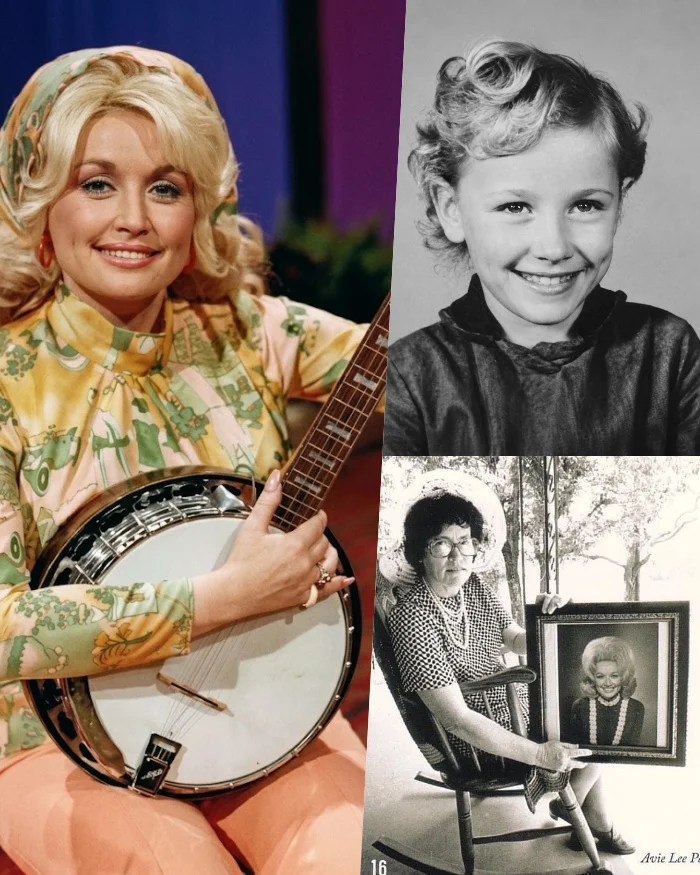
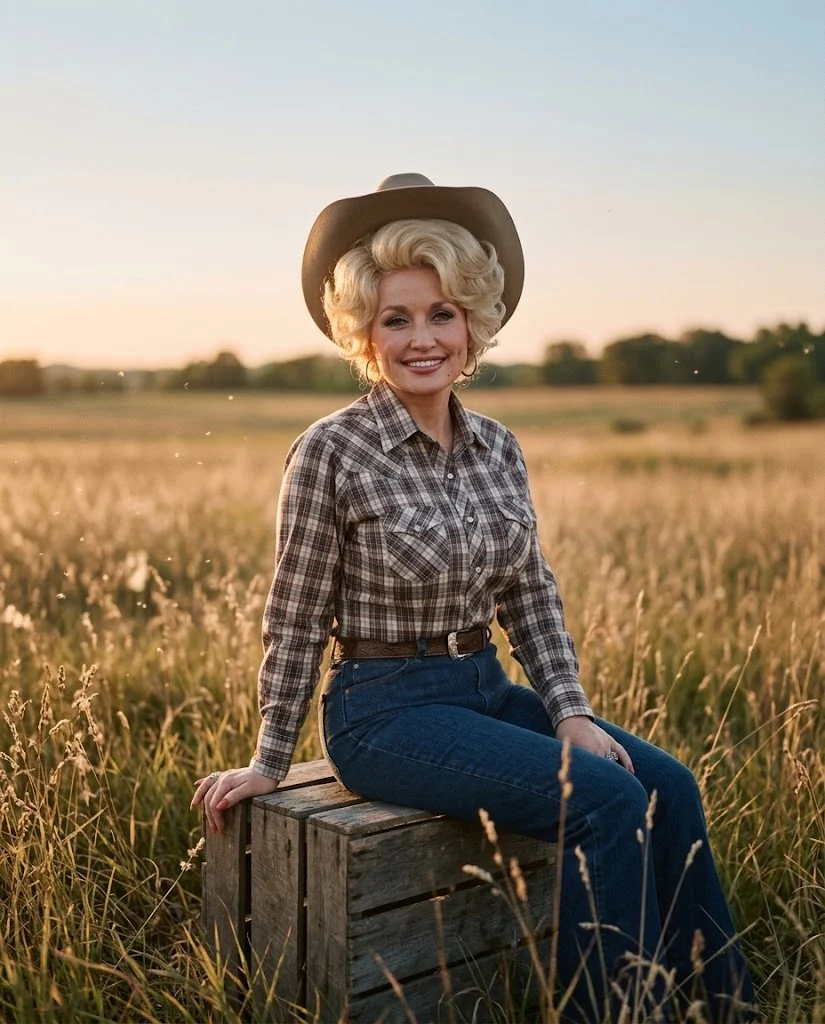
Long after the world learned her name, Dolly Parton chose the dirt roads and mountain hollers of Sevier County as the place where her fortune would take root. She did not trade her East Tennessee childhood for a distant celebrity compound. She poured tens of millions into Pigeon Forge and built Dollywood as a living bridge between her fame and the families who once shared her hardship.
Her look carried the same fierce loyalty. As one of twelve children raised in a one-room cabin on Locust Ridge, she admired a local woman whom many townspeople dismissed as a tramp. That woman wore bright lipstick, towering bleached hair, tight clothes, and high heels. To a girl living with dirt floors and hand-me-down dresses, she embodied fearless glamour. Parton later built her public image from massive hair, heavy makeup, and flashy clothes, and she turned the word hillbilly into a badge of pride instead of a wound.
She carried that pride into business. In the mid-1980s, she wanted a durable way to lift a struggling timber and agricultural region. She partnered with the Herschend family in 1986 to redevelop their theme park site in Pigeon Forge. The land negotiations became a quiet business strategy. She shaped the deal to keep decision-making in Tennessee, give local workers priority, and preserve traditional crafts as the park grew.
Dollywood became the largest individual employer in Sevier County. It brought thousands of steady year-round jobs to multiple generations of local families. Blacksmiths, woodcarvers, artisans, and Appalachian musicians found paychecks and stages while their heritage trades reached a wider audience.
Her music stayed rooted too. Even while she ruled pop and country charts, she returned to the mountain sounds of her youth. During the late 1990s and early 2000s, she made acoustic bluegrass projects such as The Grass Is Blue and Little Sparrow. Banjos, fiddles, and autoharps carried the raw harmonies she had heard on front porches.
Her giving followed the same mountain compass. In 1995, she founded the Imagination Library in Sevier County. The project honored her father, Robert Lee Parton, a sharecropper who never learned to read. Through the library, she helped send hundreds of millions of books to children worldwide.
Her accent never softened. Her patched coats, the exhaustion of her parents, and her Smoky Mountain origins remained visible beneath the rhinestones. She showed that cultural power can come from standing on the biggest platforms without pretending you grew up somewhere else.
She built her empire where the dirt roads began and made the world come to her mountains.