
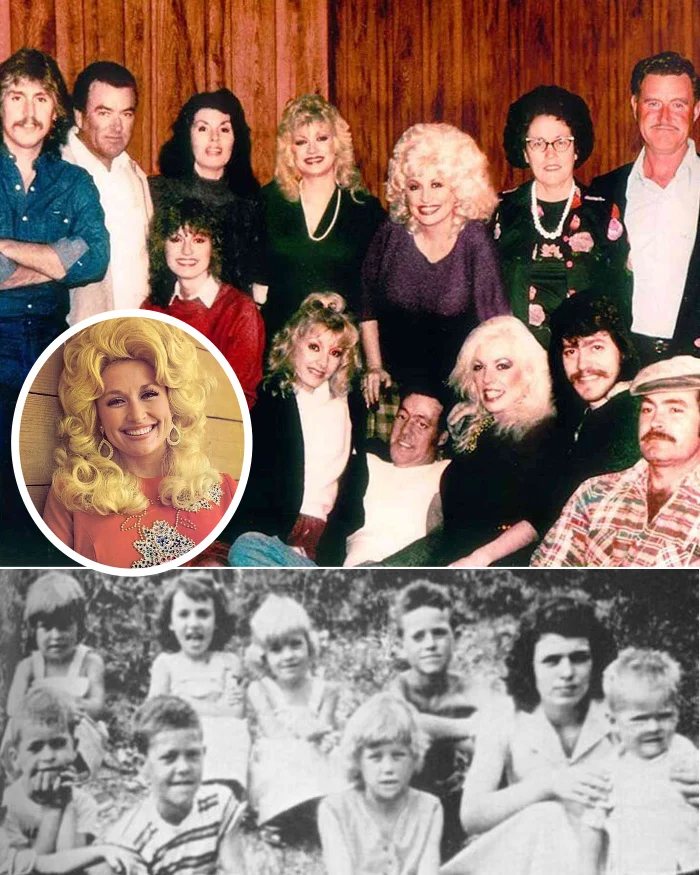
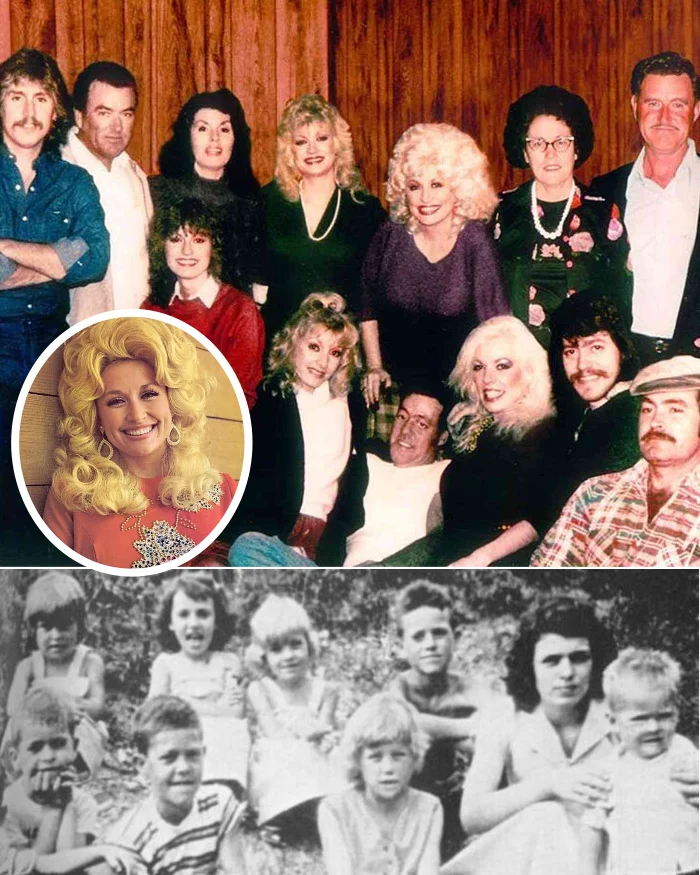
Before arenas ever heard her voice a drafty cabin in Locust Ridge Tennessee heard Dolly Parton sing for the first time. Her audience was a row of crying babies.
Money was scarce in that early 1950s home and space was even scarcer. Avie Lee Parton had married at fifteen and would give birth to twelve children before she turned thirty-five. The relentless cycle of pregnancy and recovery in a poor rural community left her worn out. The older children had to grow up fast and take on work far beyond their years.
As soon as Dolly was strong enough to hold a newborn on her hip she was given the job of keeping her younger brothers and sisters fed clean and safe. Other girls in town played with store-bought toys. Dolly hauled freezing spring water to wash cloth diapers. She kept toddlers away from the fireplace and carried infants across dirt floors in a one-room home that offered little privacy and almost no quiet.
Getting a baby to sleep inside that crowded noisy room took a special kind of calm. The young girl began to hum. Those soft repeated melodies were meant to settle restless toddlers. They also became the first bricks in a songwriting foundation that would one day reshape American country music.
As she paced the uneven floorboards Dolly added words to the hums. She turned everyday sights into story verses and used those stories to keep older children entertained while the babies finally drifted off. Her first known composition Little Tiny Tasseltop was written about a corncob doll her father had made for her. The rhythm and simple repetition of that song grew out of the physical motion of walking a crying baby across a room.
She was composing from need. She was learning how to hold an audience before she owned a real guitar. By the time her Uncle Bill Owens handed her a battered instrument a few years later her sense of musical storytelling was already formed. She understood that a well-made song could distract a hungry child, warm a bitter winter night and bring a brief peace to a struggling household.
“My siblings were my own kids,” Dolly would later joke. Behind the humor was a young girl who gave up a large piece of her own childhood so her family could survive.
The maternal warmth that fans now see in the global superstar was never a public relations act. It was a daily survival skill shaped by love and heavy responsibility. When Dolly left Sevierville on a bus bound for Nashville she carried that same protective instinct with her. She moved through a ruthless male-dominated country music industry with the fierce spirit she had once used to guard her brothers and sisters. She built a six-decade empire on her own terms and fiercely protected her publishing rights her image and the people who worked for her.
Dolly Parton became an American institution by making millions of listeners feel seen comforted and understood. But she learned that work long before she stepped up to a microphone. She learned to comfort the world because she first had to comfort her own home.