
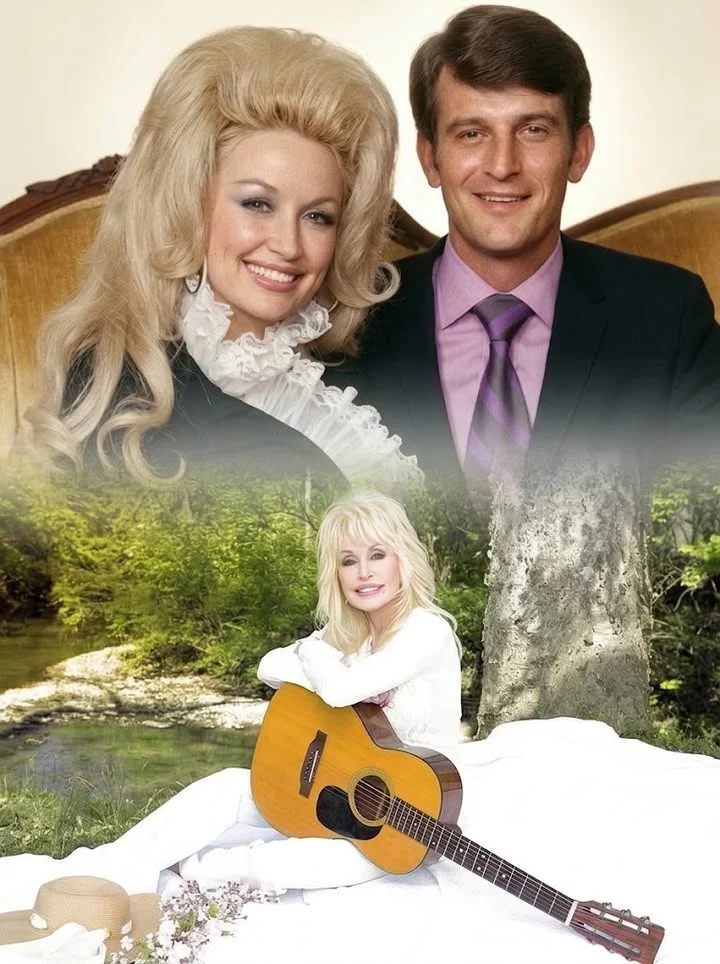
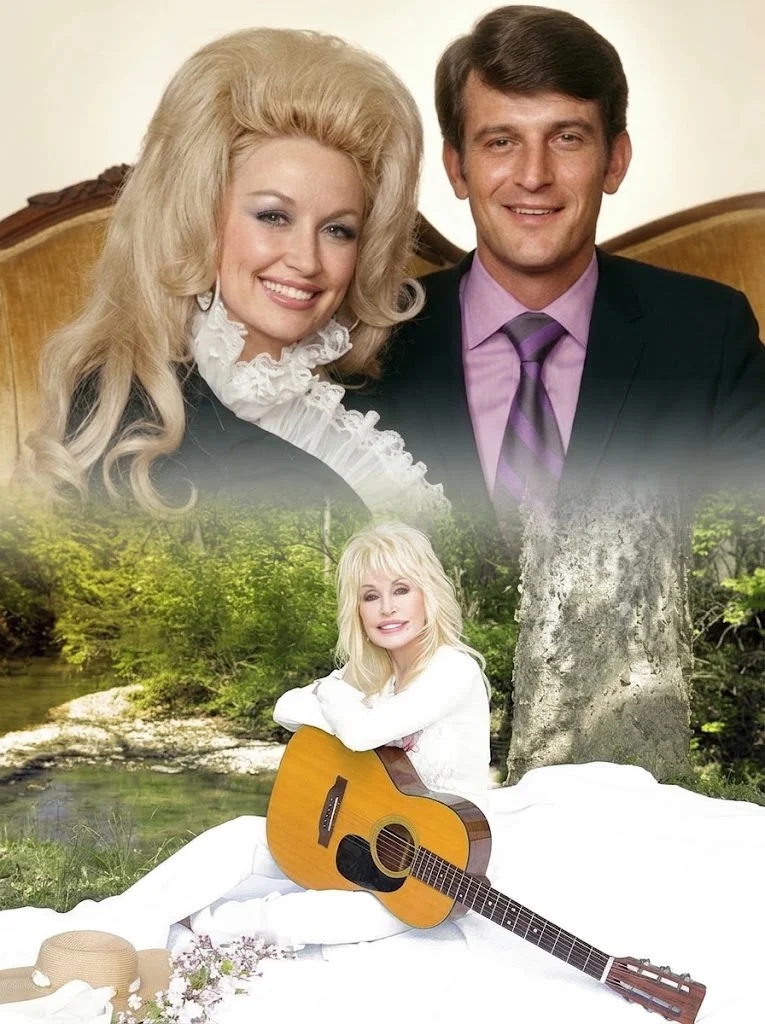
At dawn on her porch in Tennessee, Dolly Parton found a grief too large for headlines and a faith too steady to abandon. The world knew her as a rhinestoned icon, but in that quiet hour she was simply a woman missing the man who had loved her away from the stage for fifty-seven years.
That love began in Nashville in 1964. Dolly was eighteen and had just arrived with songs in her head and ambition in her stride. Outside the Wishy-Washy Laundromat, she met Carl Thomas Dean, a young man who ran an asphalt-paving business. He saw the dreams and the person carrying them, and their lives began to move together.
On May 30, 1966, they married in a small church in Ringgold, Georgia. Only Dolly’s mother Avie Lee, the preacher, and the preacher’s wife were there. From that day, the couple built a boundary that protected their bond. Her career belonged to the public. Their home life belonged to them.
Carl rarely walked award-show carpets or posed for cameras. He preferred long drives through the Tennessee countryside, picnics in their RV, and quiet evenings on their farm outside Nashville. For Dolly, he was the person who loved the girl from the Great Smoky Mountains without makeup, costumes, or performance.
He gave her a sanctuary where the star could disappear and the woman could simply be loved.
In May 2016, fifty years after their simple wedding, Dolly and Carl renewed their vows in a private ceremony at their Brentwood, Tennessee home. It was a rare and tender milestone for a couple who had kept their home life separate from global fame. The moment honored a partnership built on unwritten promises and quiet decisions.
When Carl faced prolonged health struggles in his later years, Dolly stepped back from the spotlight whenever she could. She cared for him at their Brentwood home and guarded his privacy from cameras and headlines. Carl passed at age 82 in March 2025.
In the mornings that followed, Dolly leaned on the faith she had carried since childhood in Sevierville, Tennessee, where she was raised among twelve siblings and guided by her grandfather’s sermons. Sitting on the porch at dawn or turning to the worn Bible on her nightstand, she chose gratitude over despair. She found comfort in knowing his physical pain had ended and held firmly to the belief that they would meet again.
Their bond was never measured by applause. It was measured by private rituals, unwritten promises, and quiet choices that carried them through nearly six decades. Behind one of country music’s most enduring lives stood a love that asked for no spotlight and gave Dolly a steady place to call home.