
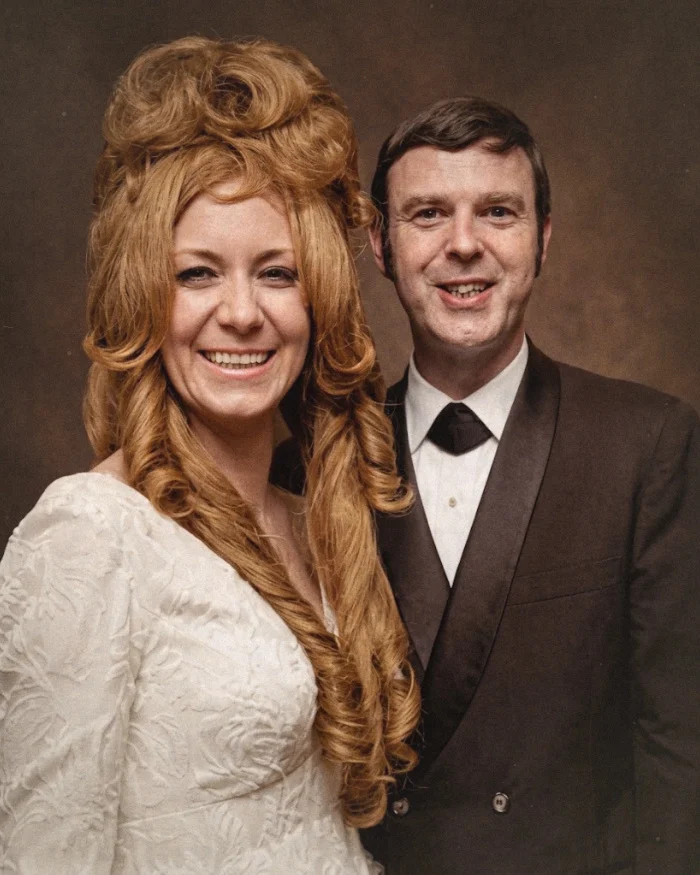
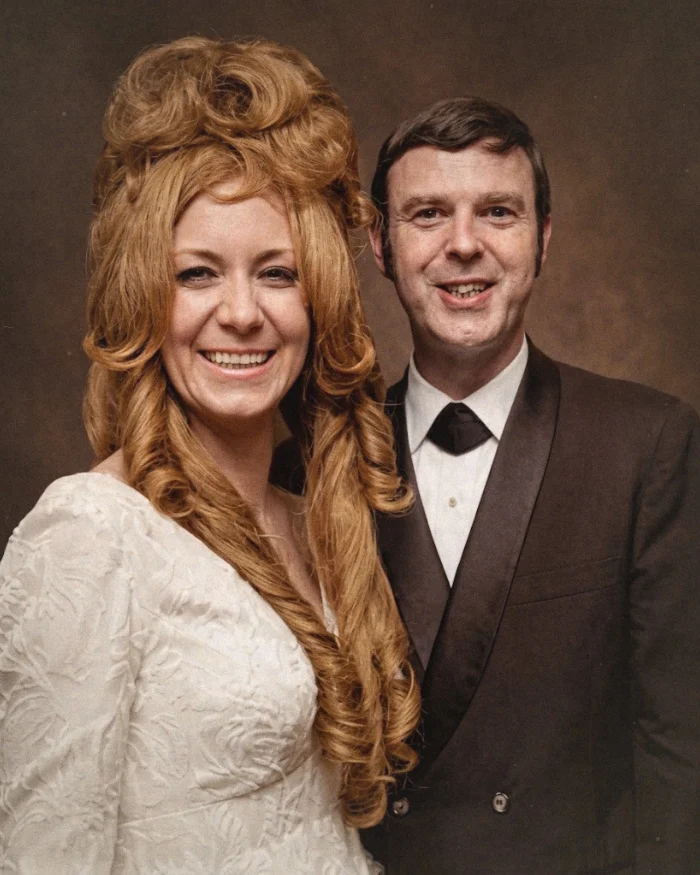
Dottie West stood in a Nashville courthouse in 1972 and ended nineteen years of marriage to Bill West. The man beside her had been a steel guitarist, songwriter, protector, and creative partner since her youth. The papers closed a chapter filled with kitchen-table songs, four children, and a shared dream that had quietly changed Nashville.
Before the divorce, Dottie had grown up in an impoverished Tennessee childhood marked by severe abuse from her father. Bill became the college sweetheart who offered shelter when she needed it most. They scraped through early days together and built songs side by side. That work helped lead to her milestone single “Here Comes My Baby” and the Grammy Award in 1965, the first ever presented to an individual female country artist.
The foundation broke when Dottie discovered Bill’s infidelity. The betrayal struck her deepest emotional anchor. She still faced Grand Ole Opry stages while grieving privately. Walking away meant leaving the man who had served as co-writer, provider, and compass.
She did not let heartbreak silence her voice.
After signing the papers, Dottie took direct control of her career. She had lost the collaborative safety net she had leaned on since college. She signed commercial writing contracts and pitched melodies to Madison Avenue advertising executives.
Her independent breakthrough came in 1973. She partnered with advertising songwriter Billy Davis to write “Country Sunshine.” The song began as an upbeat Coca-Cola television jingle. Viewers connected so strongly that RCA Victor asked her to record a full studio version. It climbed to number two on the Billboard Hot Country Singles chart, crossed over onto the pop charts, and earned West a Clio Award. That honor made her the first country performer recognized by the advertising industry’s top prize.
The success changed her working life. Coca-Cola offered a long-term commercial writing agreement. The steady non-touring income gave her a rare advantage for a female country artist in the early 1970s.
Dottie used that independence to reshape her public persona. She moved away from modest gingham dresses and subdued Nashville Sound ballads. She embraced a bolder and sleeker stage presence. She recruited younger road players and leaned into the emerging country-pop movement. Her arrangements grew up-tempo, and her themes spoke directly to female autonomy.
That solo reinvention paved the way for the most lucrative era of her life later in the decade. When she signed with United Artists in 1976 and teamed with Kenny Rogers for chart-toppers like “Every Time Two Fools Collide,” she entered the studio as a seasoned veteran. She knew how to run a vocal session and command an auditorium.
Her personal life still brought turbulent turns. Two later marriages brought emotional strain and eventual financial disaster. Yet on stage, the authority she established after 1972 remained unbroken. She booked relentless road dates, mentored younger women entering the business, and stayed a weekly staple at the Opry.
The voice, the songwriting instincts, and the resilience had always belonged to her.
When Dottie West stepped out on her own in 1972, she risked losing the creative identity built over nineteen years of domestic partnership. Instead, she discovered that the heart of her career had never belonged to the marriage. It had belonged to her all along.