
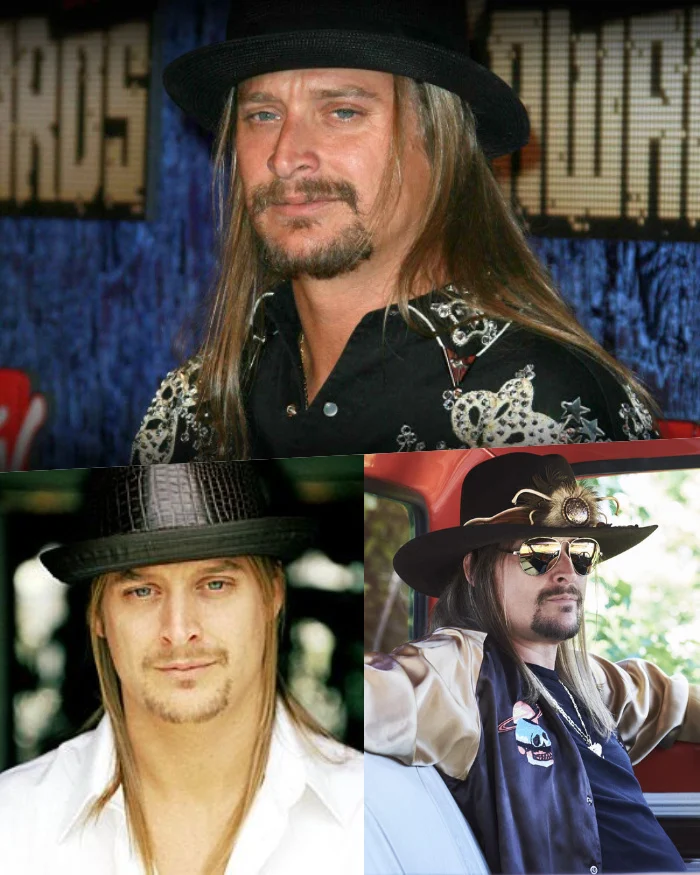
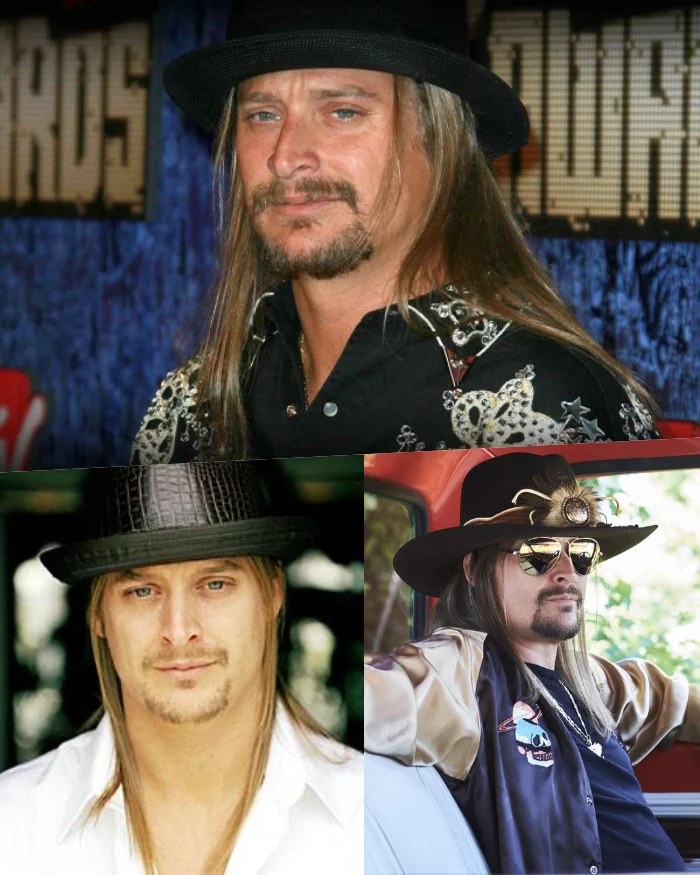
Mount Clemens Michigan was a far cry from the boardrooms of New York. While executives at Jive Records had long moved on to the next trend Bob Ritchie was digging himself out of the grave they had left him in.
By the time he was in his early twenties the industry had already stamped his file. Washed up. Has been. Not profitable. His debut album Grits Sandwiches for Breakfast had brought a flash of national attention but it was quickly snuffed out by shifting tastes and a label that saw no further return on their investment. He packed his bags and retreated to the Detroit suburbs carrying the heavy unspoken reputation of a failure.
In 1992 he made a decision that would alter the course of his career. He stopped begging for a second chance in the corporate system. Instead he moved his gear into a basement in Mt. Clemens and launched his own imprint Top Dog Records.
That basement became a laboratory. Without executives telling him to pick a lane he started fusing heavy metal guitar riffs with classic drum loops layering country and southern rock elements underneath. It was a crude loud experiment born out of necessity.
He could not afford session musicians so he taught himself to play the drums bass and guitar one part at a time. The financial constraints became artistic freedom. He stopped trying to chase radio trends and started mixing the gritty sounds of Detroit into a raw hybrid genre that belonged entirely to him.
The music was only half the battle. Without a distribution network he became his own shipping department. Through the brutal Michigan winters he loaded the trunk of his car with self pressed CDs and cassette tapes. He hit gas stations street corners and the parking lots of rock and rap venues. He walked into independent record shops convincing store owners to take his music on consignment. Weeks later he would return to collect small handfuls of cash.
Everyone in his hometown knew his story. He was the kid who had signed a major label deal lived the high life and lost it all. But he stood in the freezing cold anyway leaning into the humiliation handing out his music one tape at a time looking fans in the eye and asking them to take a chance.
That ground game slowly built an intensely loyal underground following. He assembled the Twisted Brown Trucker band from local musicians who understood the specific gritty hybrid of rock rap and country he was creating. By the time he released Early Mornin Stoned Pimp independently in 1996 he was selling out venues like the State Theatre.
When Atlantic Records finally came knocking in 1997 they did not have to manufacture an identity. The blueprint for his sound had been written on a basement floor tested in dive bars and proven by a sales force of one selling tapes from his trunk.
When Devil Without a Cause shattered sales records in 1998 the industry treated it like an overnight sensation. It was actually the culmination of six years of brutal rejection relentless hustle and a refusal to die quietly. Jive Records dropping him was meant to be the end of his story but it was the very thing that forced him to build his own house.