
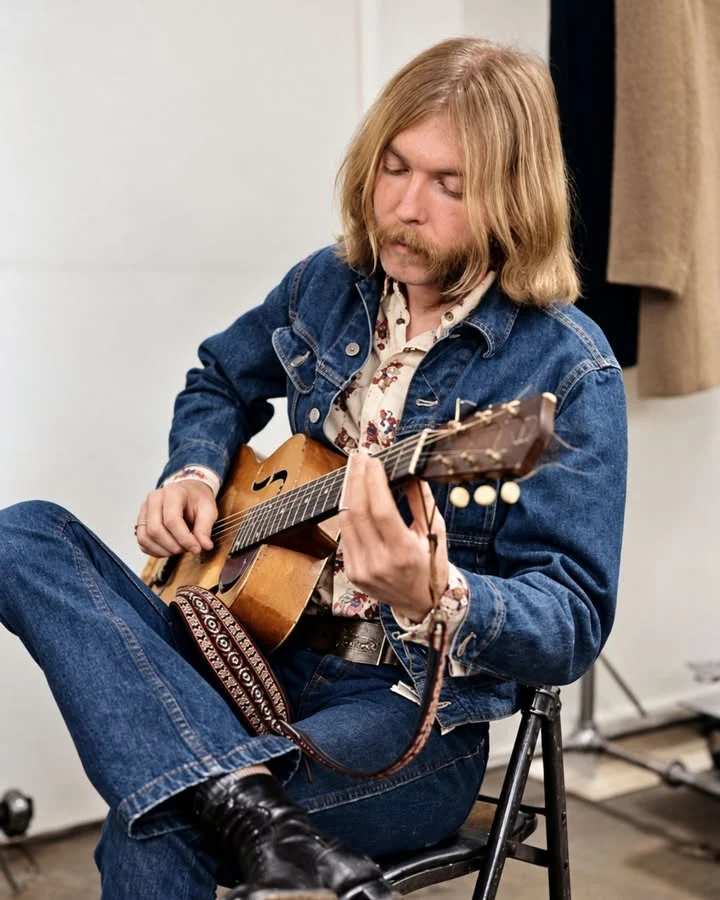
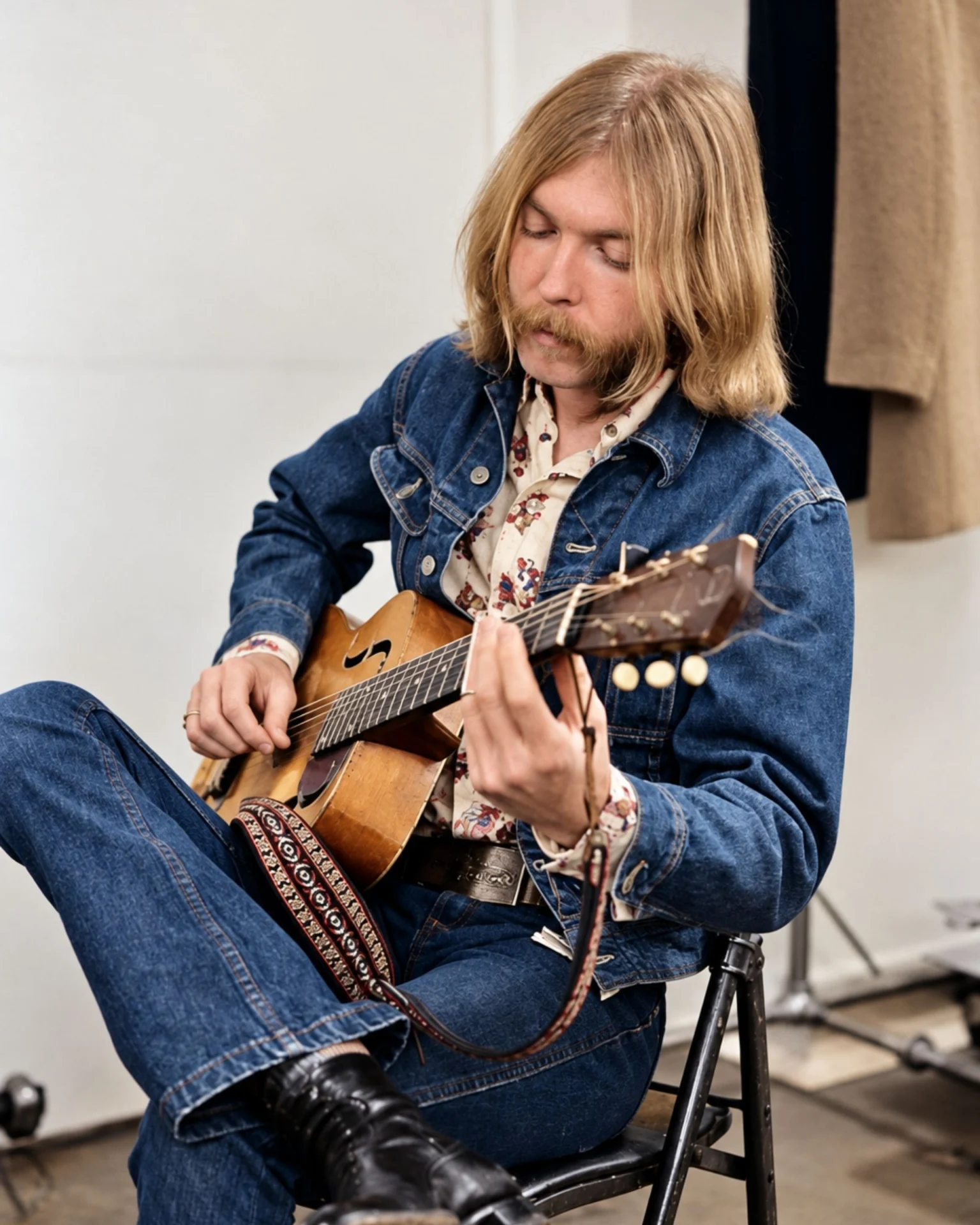
On October 29 1971 a motorcycle collided with a truck in Macon Georgia. Duane Allman was twenty four years old. The career stopped in one terrible instant. The guitar never stopped moving. It had already found Eric Clapton, changed the sound of a Beatles cover, and helped turn a heartbroken confession into one of rock and roll’s most enduring records.
Before the world knew his name, Allman lived inside Muscle Shoals session rooms. He worked at FAME Studios in 1968 behind Aretha Franklin, Clarence Carter and Wilson Pickett. These were artists with established voices. Allman was a young slide guitarist building a reputation from the shadows.
He had an unusual gift. His guitar could sound wild and disciplined at the same time. It could push into soul, blues, country and gospel without losing the song. That gift became impossible to hide when Wilson Pickett needed material.
Pickett came to Muscle Shoals without a clear song. Allman suggested the Beatles’ “Hey Jude.” It was a bold move. The Beatles had already made that song recognizable. Turning it into soul music meant taking a risk. Pickett took the risk. Near the end of the track, Allman’s guitar broke open into a fierce extended passage. It did not sound like background work. It sounded like a statement.
Eric Clapton heard it and needed an answer.
He later remembered calling Atlantic and asking who was playing because he had rarely heard rock guitar fit so powerfully inside an R&B record.
By 1969 Allman had stepped beyond session work. He formed the Allman Brothers Band with Gregg Allman, Dickey Betts, Berry Oakley, Butch Trucks and Jai Johanny Johanson. Their sound pulled from blues, country, jazz and long improvisation. That blend helped create a new Southern rock language.
The fine thread running through it was Duane’s slide. It could cry, testify, shout and answer in the same breath. The band was not just making records. It was inventing a road map for a whole genre.
Then Tom Dowd made a connection that changed everything. In 1970 Derek and the Dominos were recording Layla and Other Assorted Love Songs in Miami. Allman came by after an Allman Brothers show. Clapton already knew that voice from “Hey Jude.” The chemistry was instant. The two guitarists began trading parts almost immediately. Allman remained for most of the album. His slide guitar became central to the record and essential to “Layla” itself.
The song “Layla” needed more than one voice. Clapton brought the ache and the confession. Allman brought a second language that could bend, cry and climb without saying a single word. Together they made the track sound like it was tearing itself open. It was the sound of two players enlarging each other rather than competing.
While that album came together, the Allman Brothers Band was also reaching a new peak. At Fillmore East, recorded in March 1971, captured the group at full force. That live record cemented their reputation as one of America’s greatest live bands. Duane was no longer just the session player who impressed the pros. He was leading one of the most exciting bands in the country.
He was still only twenty four years old.
The ending came without warning. On October 29 1971 Duane Allman rode his motorcycle in Macon Georgia and collided with a truck. He suffered fatal injuries and was gone. Allman was twenty four years old.
The strangest part of his story is the amount of music he changed before most guitarists reach their prime. He reshaped Southern session playing. He helped define the Allman Brothers Band. He left his signature inside Eric Clapton’s most famous record. Then the career stopped.
But the guitar did not stop.
Southern rock guitarists studied his sound. Slide players chased it. Jam bands inherited pieces of it. Blues-rock musicians kept returning to it because it carried urgency, grief and lift that technique alone cannot fake. His playing remains part of the language.
Eric Clapton heard him before the world caught up with his name. By the time the world recognized Duane Allman, he was already gone. That guitar was not.
Duane Allman died at twenty four. The music he left behind did not fade. It kept moving through “Hey Jude,” through Layla, through At Fillmore East, and through every player who learned that a note can cut open the heart and sound beautiful at the same time.