
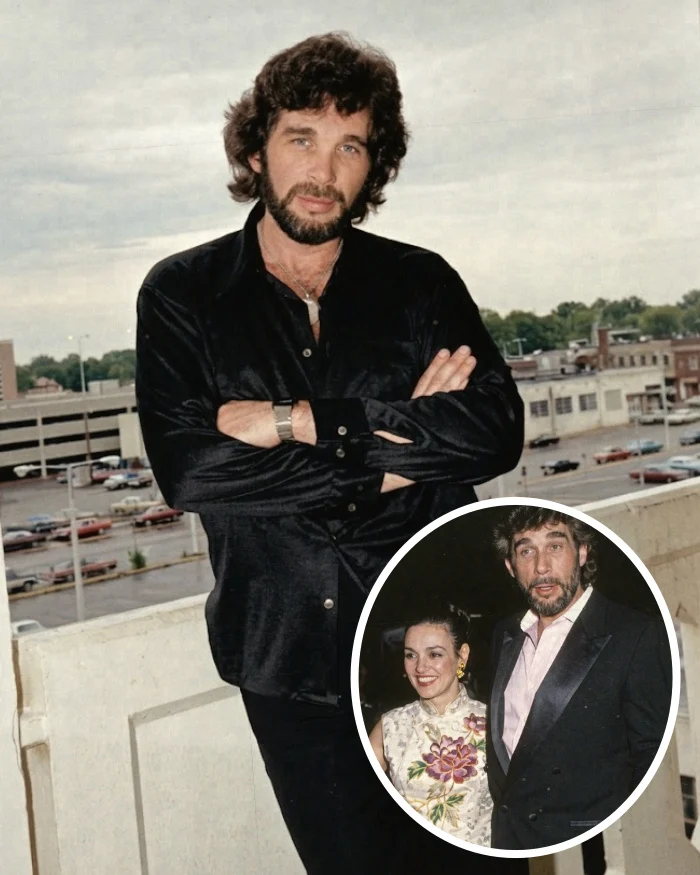
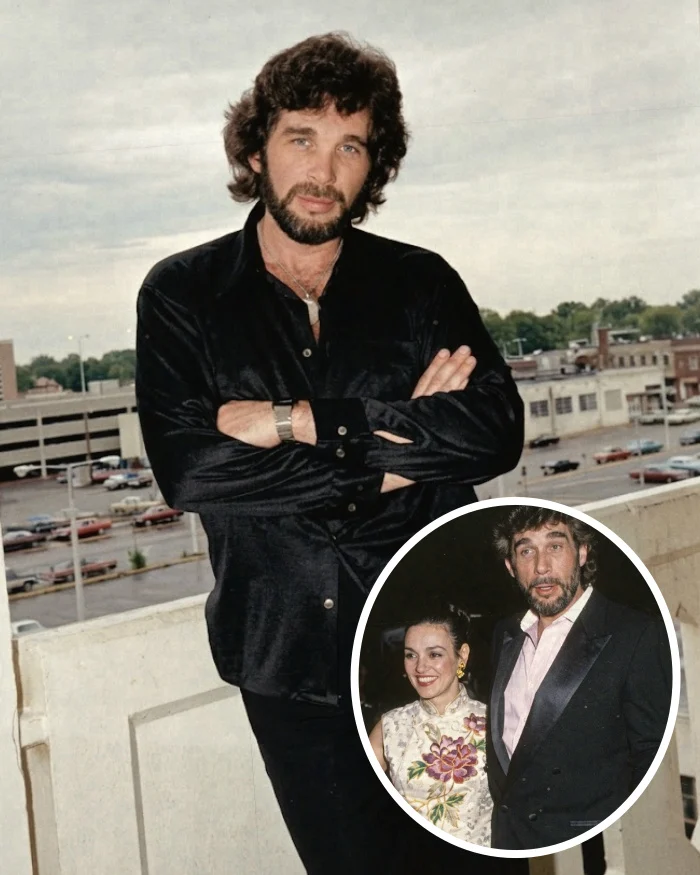
Eddie Rabbitt once owned arenas and airwaves. Then he chose a kitchen table and a fragile home.
At the early 1980s peak of his crossover reign he moved between country and mainstream pop with ease. His voice filled packed venues and dominated the Billboard charts. The industry regarded him as one of its most commercially valuable performers. Yet when the money and touring demands reached their height he made a decision that shocked Nashville and radio alike.
He canceled national tours. He turned down lucrative contracts. He stopped his public schedule. The reason was not fatigue. It was a quiet domestic crisis. After the harrowing illness and loss of their infant son Timmy to biliary atresia in July 1985 his family faced an emotional collapse that applause could not mend.
His wife Janine Girardi and their young daughter Demelza needed him present. He could not collect cheers hundreds of miles away while their home fractured. Leaving the spotlight for years cost him momentum. Other voices took over the airwaves and the commercial peak of his crossover reign slipped by. Still the fear of becoming invisible to the industry meant less to him than the fear of being absent when his family needed him most.
Inside a quiet house he took on the ordinary work of husband and father. He became the steady presence Demelza needed through the fragile years of her childhood. He anchored Janine as they gathered the pieces of their lives and tried to build again.
The industry looked at his empty tour schedule and saw lost millions and surrendered momentum. For Eddie Rabbitt stepping off the stage was the most decisive act of his life and it proved that the quiet survival of his family mattered far more than any fleeting place at the top of the charts.
When Eddie Rabbitt signed a new recording agreement with RCA Records in late 1985 industry insiders greeted the deal with open skepticism. Nashville was shifting rapidly toward a neo-traditional movement and he had spent the preceding two years away from the studio and the road. His return did not begin with a splashy arena comeback. He began writing again in Nashville with longtime songwriting partners Even Stevens and Billy Joe Walker Jr. The new material leaned into leaner arrangements and direct warm acoustic guitars instead of the slick synth-heavy crossover production that had powered his pop dominance.
The first release under his new arrangement was the 1986 album Rabbitt Trax. It proved his commercial instincts remained sharp. The duet Both to Each Other (Friends and Lovers) with Juice Newton climbed to Number 1 on the Billboard Hot Country Singles chart. Country radio had kept a place for him despite his prolonged absence.
Yet Rabbitt resisted pressure to launch an exhausting 200-date tour schedule to capitalize on that momentum. Having witnessed how fragile domestic life could be he imposed strict ground rules with his management team. Concert appearances were booked in tight weekend clusters rather than months-long road swings. He wanted to be back in Tennessee during the week to take Demelza to school and be home for dinner.
In 1988 Rabbitt released I Wanna Dance with You. Produced by Richard Landis the album marked his definitive commercial renaissance. It produced two consecutive Number 1 country singles. The upbeat title track and a revved-up cover of Dion’s 1961 classic The Wanderer returned him to a constant presence at the top of the country charts. At forty-six an age when many pop-crossover veterans were sidelined by younger acts he found a second run.
The late 1980s also brought renewal to his household. In 1986 Eddie and Janine welcomed a son. New life entered the home once shadowed by loss.
He chose the kitchen table over the spotlight and proved that love can rebuild what fame cannot.