
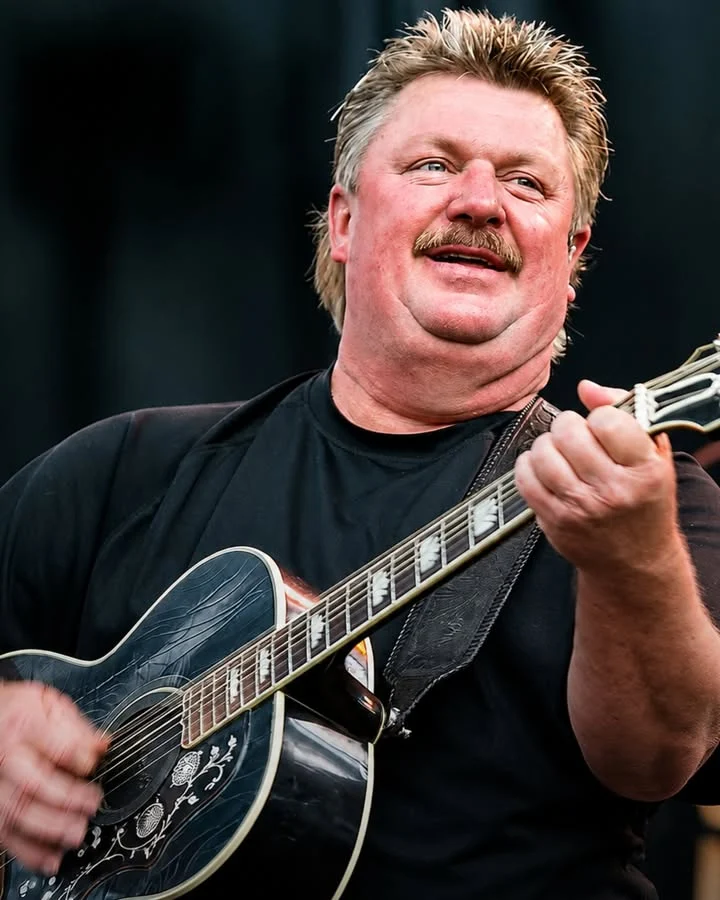
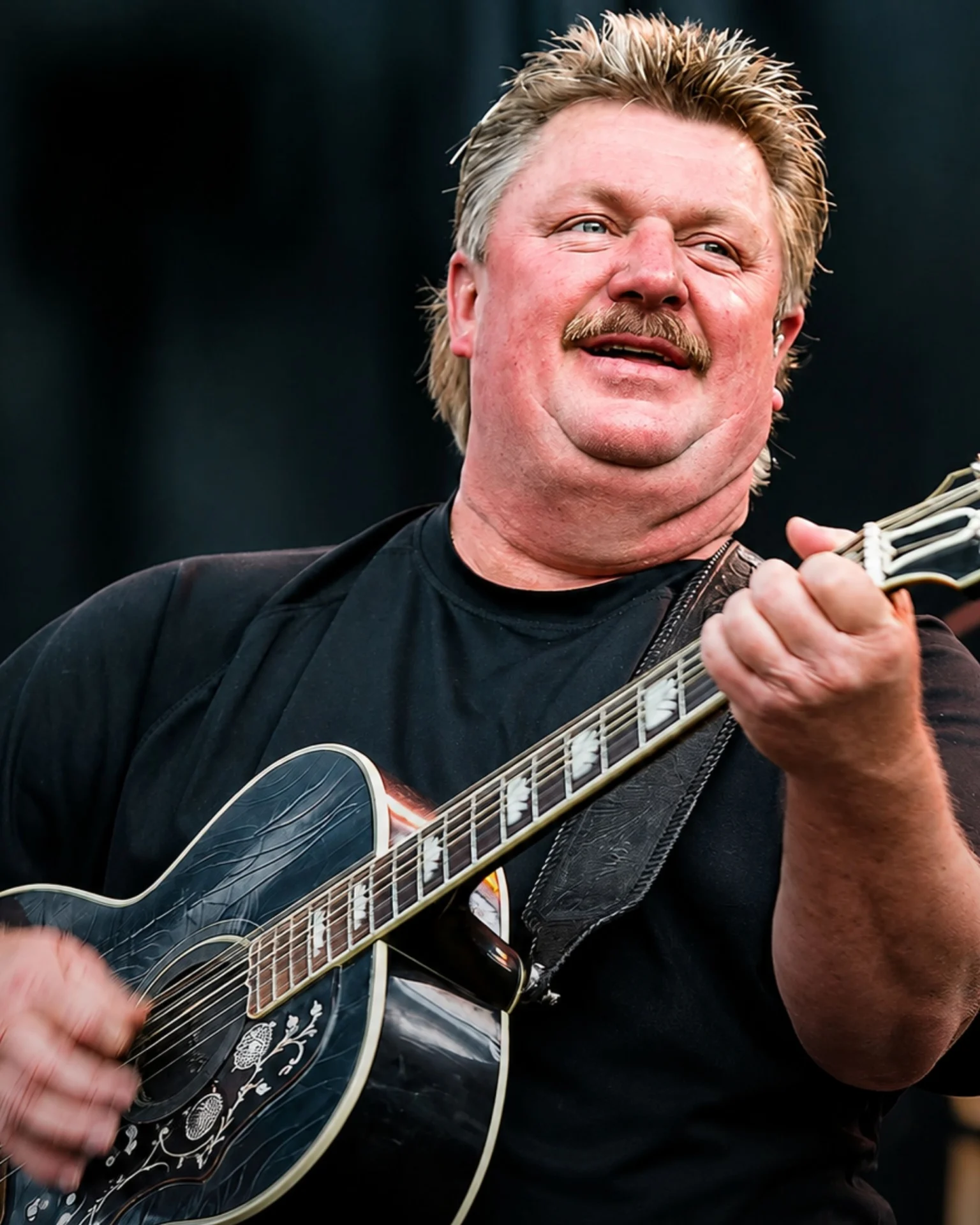
They pulled over beside Oral Roberts University with everyone in the car crying as “Home” suddenly came through the radio in Tulsa, and for Joe Diffie that family moment meant even more than making chart history.
That was the moment he realized he was on his way.
Before “Home” Joe Diffie had already taken the long way to Nashville. He had lost his foundry job in Oklahoma, sold the recording studio he had built, moved to Music City and worked at Gibson Guitar while singing demos and writing songs after hours. By 1990 Epic Records had finally signed him.
The Song He Almost Stopped Hearing
But “Home” almost did not make his debut album. Diffie had heard the song so many times that he had stopped reacting to it.
Publisher Johnny Slate urged him to listen once more. This time it put a lump in Diffie’s throat and he agreed to record it.
Epic Deliberately Let Radio Go First
Then Epic made another unusual decision. There would be no music video for Diffie’s debut single.
At a time when video exposure was becoming increasingly important to country artists, Diffie said the decision was deliberate because they wanted country radio to get the first shot at the music. Radio took it.
Released in August 1990 “Home” climbed to No. 1 on Billboard’s country chart. It also topped Radio & Records and the Gavin Report, making Diffie the first country artist whose debut single reached No. 1 on all three major country charts then operating.
Oklahoma Radio Brings The Story Full Circle
Diffie remembered that Tulsa car moment more vividly after doing radio interviews back home with his family. Years later that same Oklahoma connection produced an unexpected coda.
In 2019 Diffie joined Tulsa country station KXBL as a midday host. When announcing the job he remembered hearing “Home” on its sister station KVOO and said that was the moment he realized he was on his way.
Nearly three decades after his first record came through an Oklahoma radio speaker, Joe Diffie returned to Oklahoma radio from the other side of the microphone, a debut star whose historic No. 1 had begun with trust in a song and in country radio itself.