
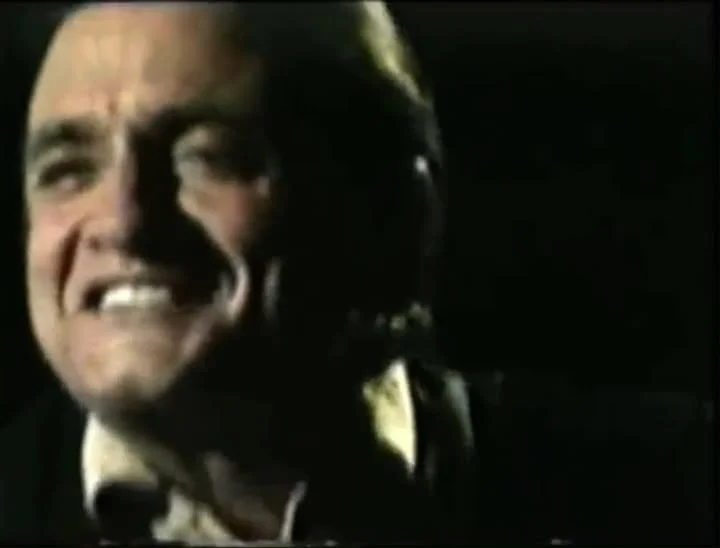
A roar erupts from the concrete walls of Folsom Prison. Inmates, forgotten by society, are on their feet as Johnny Cash launches into a raw, relentless rendition of Cocaine Blues. His voice, a gravelly storm, cuts through the stale air. This is not a concert. It is a confession. A shared howl of desperation, regret, and the hunger for a second chance. That night in 1968, a song about a drug-fueled murder became an anthem for the broken. And it changed everything.
The story of Cocaine Blues did not begin with Cash. Its roots dig deep into American folk, emerging from a 1947 tune by T.J. “Red” Arnall, which itself drew from an early 1900s ballad called Little Sadie. The song follows Willy Lee, a man who, after a cocaine binge, shoots his wife and runs from the law. Cash took this skeleton of a narrative and breathed his own haunted life into it. His deep baritone transformed the lyrics from simple storytelling into a visceral experience of guilt and downfall.
At its core, Cocaine Blues is a stark exploration of crime and consequence. The protagonist’s fleeting rage, fueled by cocaine, leads to an irreversible act. The line
“I took a shot of cocaine and I shot my woman down”
lands with shocking bluntness. It does not glamorize the drug. Instead, it paints a vivid picture of self-destruction. Cash, who fought his own battles with substance abuse, delivered these words with an intimate understanding that made them even more haunting. The regret in Willy Lee’s voice as he faces his sentence of ninety-nine years in the Folsom Pen is palpable. It is the sound of a man who knows he cannot undo his worst mistake.
Musically, the song is a frantic pulse. The uptempo rhythm mirrors the desperate escape attempt of its protagonist. Cash’s signature blend of country, rockabilly, and blues creates a timeless urgency. The simple yet driving instrumentation complements the dark narrative, making the listener feel the chase. This is not a polished studio production. It is raw, live, and unfiltered, especially in the Folsom Prison recording where the audience’s cheers and shouts become part of the texture.
Beyond the music, Cocaine Blues became a cultural touchstone. It arrived at a time when America was questioning authority, when the counterculture was rising. Cash’s performance at Folsom was a deliberate act of solidarity with inmates. He had long supported prison reform, and this album gave a voice to those society had locked away. The song highlighted the humanity of the incarcerated, reminding listeners that even the most flawed individuals yearn for redemption. Cash’s advocacy, fueled by these performances, helped shift conversations around criminal justice.
The legacy of Cocaine Blues endures. It has been covered by countless artists and remains a staple in tributes to Cash. Its influence stretches beyond country and rock into hip-hop and Americana, a testament to its raw honesty. For new listeners, the song offers a doorway into Cash’s complex world. It is a story of love turned to rage, of addiction, of the hope for a future despite the darkness of the past. As Cash once said, music has the power to heal and reveal. Cocaine Blues does both. It is not simply a song. It is a statement that even in the deepest wells of despair, there is a way forward, one haunted note at a time.