
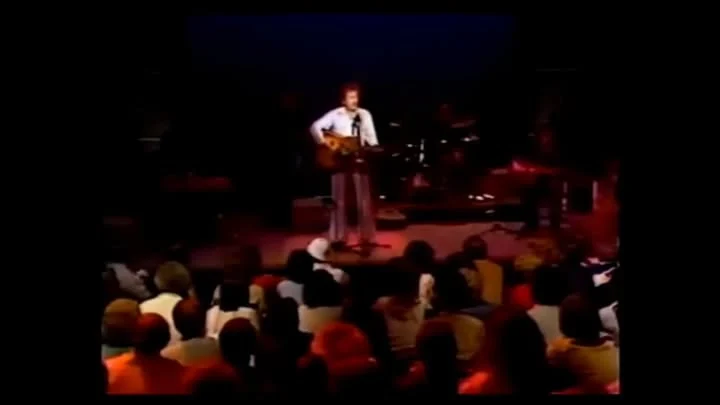
The church bell chimed twenty nine times. Each strike resonated through the Maritime Sailors Cathedral in Detroit. It honored a crew that would never return. Gordon Lightfoot was not present that day. Yet he managed to capture the exact weight of that moment in song. His ballad The Wreck of the Edmund Fitzgerald became more than a hit single. It became a monument.
The song arrived in 1976. It was the centerpiece of Lightfoot’s album Summertime Dream. This record was his eleventh studio effort. It blended folk pop and rock with his signature storytelling. The album was a commercial triumph. It propelled Lightfoot to new heights of fame. The song itself climbed to number two on the Billboard charts. It proved that a song about a shipwreck could become a mainstream phenomenon.
The story it tells is terrifyingly real. The SS Edmund Fitzgerald was a giant of the Great Lakes. It measured over seven hundred feet in length. On November 10 1975 it was traveling across Lake Superior. It carried twenty six thousand tons of iron ore. A winter storm descended with shocking speed. The ship sank near Whitefish Bay. All twenty nine crew members lost their lives. The exact cause is still debated. Was it rogue waves or structural failure. The mystery adds to the legend.
Lightfoot approached the song with the gravity it deserved. The instrumentation is spare. An acoustic guitar drives the song forward. A steel guitar adds a layer of sorrow. The tempo is slow and deliberate. It feels like a funeral procession. Lightfoot’s voice is deep and steady. He narrates the disaster without melodrama. He lets the facts speak for themselves. The result is deeply powerful.
The lyrics are both poetic and journalistic. Lightfoot opens with a nod to Native American lore. He sings about Gitche Gumee. He warns that the lake never gives up its dead. This sets a chilling tone. The song then proceeds through the final hours of the ship. The details are specific. The fear is palpable. The most famous lines carry an unbearable sadness.
The ship was the pride of the American side Coming back from some mill in Wisconsin As the big freighters go it was bigger than most With a crew and good captain well seasoned.
Lightfoot does not embellish. He simply records the tragedy. His respect for the dead is evident in every word.
The song struck a deep chord with the public. It became an anthem for the Great Lakes region. It resonated with working class families. It acknowledged the danger these sailors faced every day. The families of the Fitzgerald crew embraced the song. It gave them a public space to grieve. Lightfoot carried a heavy responsibility. He handled it with grace.
Listeners who admire Lightfoot’s narrative style will find similar treasures in other folk songs. The Ballad of Springhill by Peter Paul and Mary recounts a mining disaster. Four Strong Winds by Ian and Sylvia shares a Canadian melancholy. The Dutchman by Steve Goodman is a masterpiece of storytelling. City of New Orleans by Arlo Guthrie captures the spirit of travel and loss. These songs share a commitment to honoring real lives through music.
Gordon Lightfoot left us in 2023. His music remains a vital part of the cultural landscape. The Wreck of the Edmund Fitzgerald stands as his greatest achievement. It is a history lesson. It is a memorial. It is a beautiful and devastating piece of art. Every time the gales of November return the song finds new listeners. The legend truly never dies.