
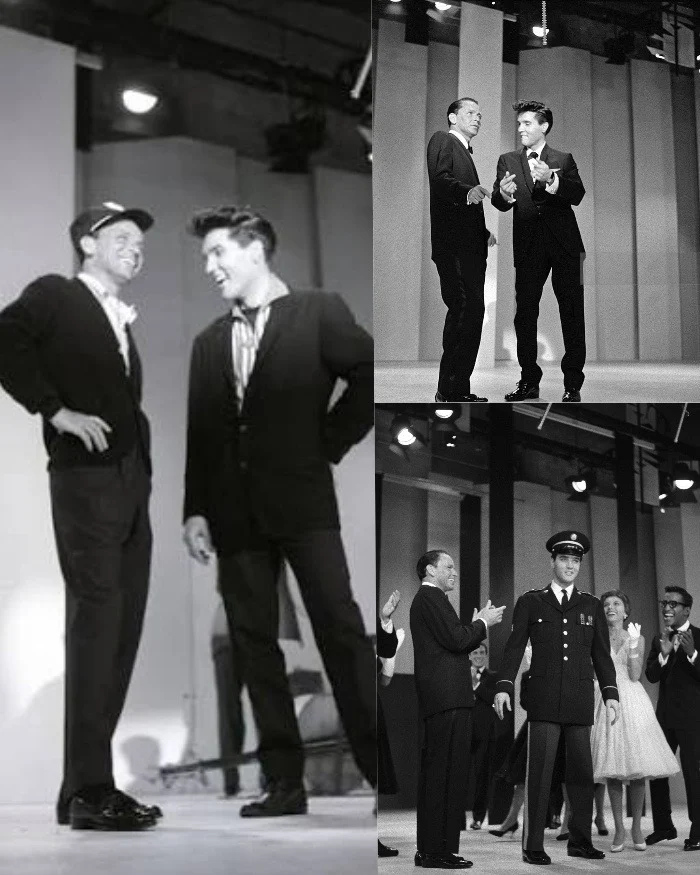
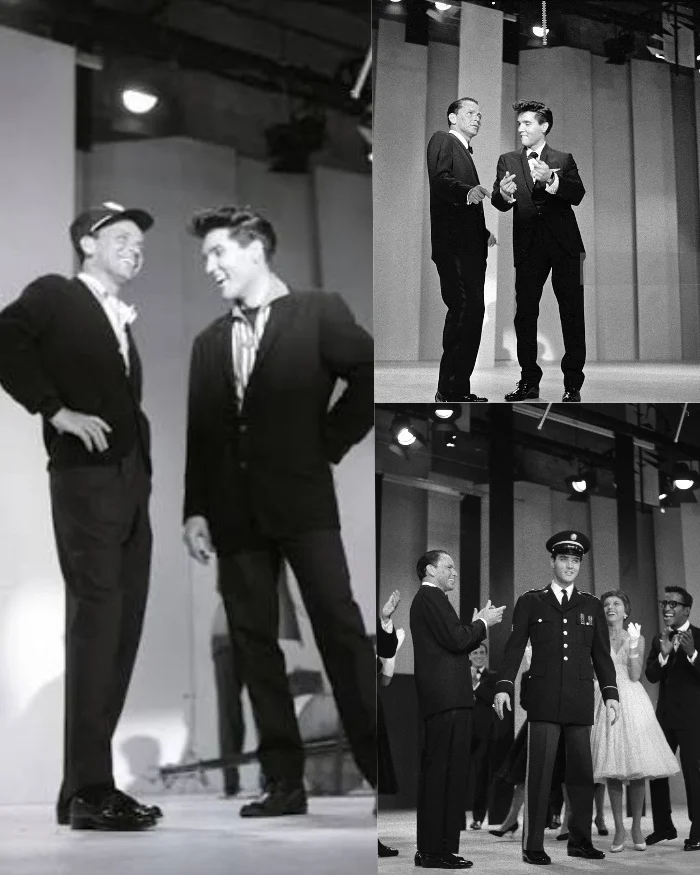
Two music giants once divided by generations shared a television microphone in 1960, and a surprising alliance changed entertainment history forever. The broadcast was never simply about bridging two musical styles. It was the evening an old guard opened the door, and two generations found common ground under the same studio lights.
It was the evening an old guard opened the door, and two generations found common ground under the same studio lights.
When Elvis Presley received his honorable discharge from the United States Army in March 1960, he carried a private anxiety that haunted many young performers of his era. After two years stationed overseas in West Germany, separated from recording studios and the national concert circuit, he genuinely worried the American public had moved past him. The youth culture he helped spark had continued to evolve, and his manager, Colonel Tom Parker, understood that returning to the screen required an event of undeniable cultural weight.
That return arrived in an unexpected invitation from Frank Sinatra, a man who had famously criticized rock and roll in the press just a few years earlier as a crude and passing trend. In the late 1950s, Sinatra had also called rock and roll a corrupt and juvenile noise.
The broadcast, titled The Frank Sinatra Timex Show Welcome Home Elvis, brought Presley to the Grand Ballroom of the Fontainebleau Hotel in Miami Beach. Taped on March 26, 1960, and broadcast on ABC that May, the special placed Presley inside the sophisticated domain of Sinatra, a world of big bands, Rat Pack camaraderie, and formal evening wear.
Behind that public truce stood ruthless negotiation. Sinatra initially resisted the demand of Colonel Parker for $125,000 for what amounted to roughly eight minutes of television presence, a staggering sum that severely strained the production budget of the sponsor. Yet Sinatra recognized the commercial calculus. Putting the reigning crooner of the era alongside the returning king of rock and roll would guarantee an audience no rival network could match.
Parker, meanwhile, insisted that his young star share billing with the host as an equal, not as an opening act. Presley understood the gravity of the room. Rather than appearing in rebellious stage clothes, the twenty five year old wore a tailored black tuxedo that mirrored the attire of Sinatra. Throughout rehearsals, Presley addressed his host consistently as Mister Sinatra, maintaining the calm and disciplined decorum of a soldier navigating unfamiliar territory.
When the cameras rolled, the contrast between the two men turned into effortless musical dialogue. Instead of competing, they traded verses from the signature material of each other. Presley leaned smoothly into the swing phrasing of Witchcraft, the popular release of Sinatra, while Sinatra responded with the gentle melody of Love Me Tender, the ballad of Presley, their voices weaving together in relaxed harmony.
The payoff came as the band brought the medley to a close. Sinatra broke into a warm and disarming smile, reached across the floor, and placed an arm firmly around the shoulder of Presley before the live audience. That single physical gesture carried immense significance across American households.
By embracing Presley on his own variety stage, Sinatra quietly reassured older listeners and skeptical parents that the biggest star of rock was no longer a rebellious threat, but a seasoned showman ready for the mainstream.
Once the studio red lights went dark, the immense pressure that had shadowed the broadcast finally lifted. Witnesses noted Presley quietly stepping backstage, letting out an audible breath of relief, while Sinatra affirmed to reporters that the younger performer possessed genuine dedication and instinctive talent.
When the special aired in May, it captured over forty percent of the national television audience. It proved beyond doubt that the popularity of Presley had survived his military absence intact, while Sinatra cemented his own standing as the gracious patriarch of popular music.