
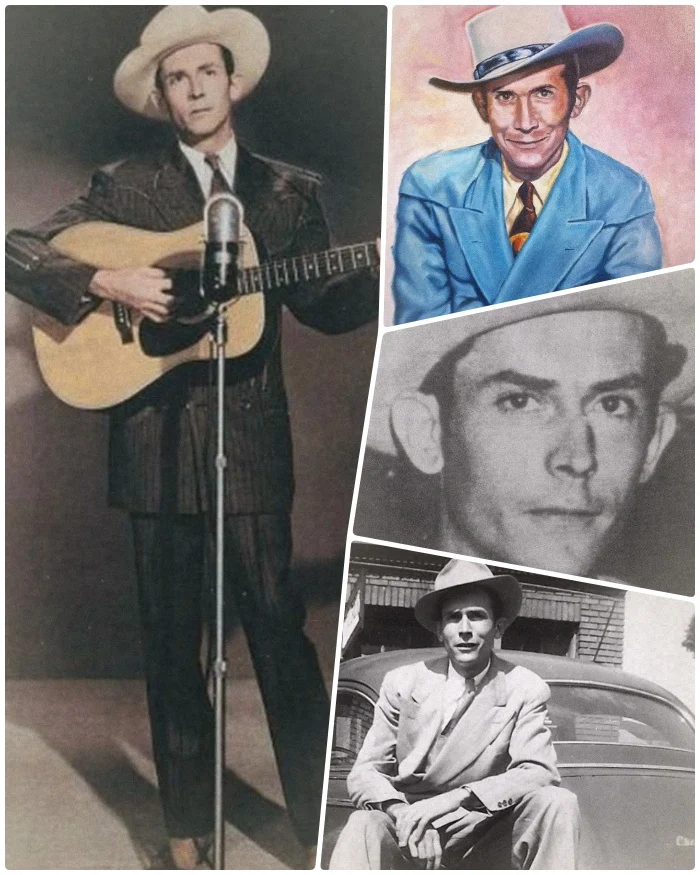
He was only 29 when he died on New Year’s Day in 1953 in the back seat of a Cadillac, too young and too worn down and already carrying songs that sounded unmistakably like last words.
Less than a year before that ending, Hank Williams released “You Win Again” and turned a simple story of betrayal into something far heavier than a country song about a cheating lover.
By 1952, he was already moving through his own legend like a ghost. The Grand Ole Opry had once lifted him like a chosen son and America had heard “Lovesick Blues” and “Cold, Cold Heart” and “Your Cheatin’ Heart” carry his trembling Alabama voice far beyond the honky-tonks.
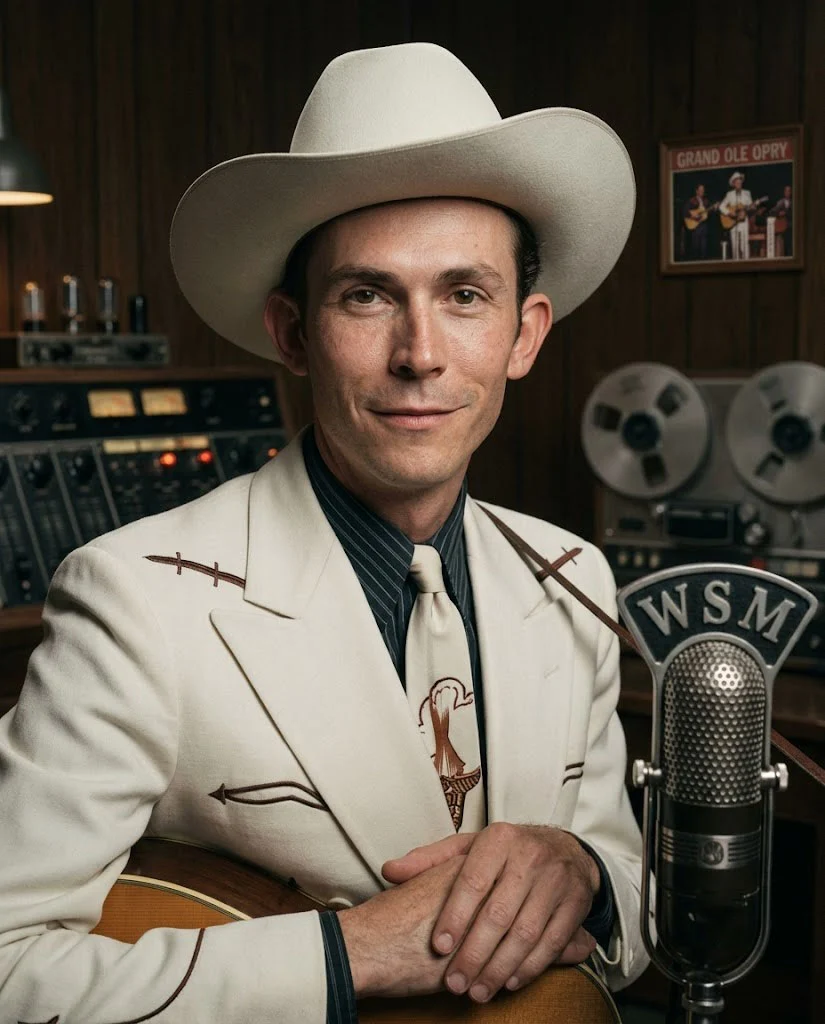
Behind the white suit and the thin smile, fame had not eased the pain in his back or the restlessness in his body. He was thin and sharp and hurting, and when he sang people heard Alabama dust and church sorrow and barroom smoke gathered inside one fragile man.
On paper, the story could not have been plainer. A man knows he has been cheated. He knows the truth. He knows he should leave. Yet he remains inside the hurt long enough to admit the one line nobody wants to say.
You win again.
Another singer might have made that line sound like only a lyric. Hank made it feel like a confession spoken under a dim kitchen light, close to the wound and with no safe distance left to hide behind.
The steel guitar did not scream beside him. It leaned in softly and cried with him while his voice did what no spotlight could ever fake.
It bent. It cracked. It told the truth before he had the strength to survive it.
That quiet honesty is why the record stayed. It was not dressed up and it did not beg for sympathy. It moved with tired dignity, like someone folding a letter read too many times and still finding it impossible to throw away.
Listeners heard the cheating lover, but they also heard their own lives returning to them. They heard every kitchen argument and every lonely drive home and every name they had promised to stop missing and could not.
That was his strange and lasting gift. He made private pain feel shared without explaining too much, trusting one plain sentence to carry a whole life in a voice that trembled without asking to be rescued.
“You Win Again” did not die with him. It kept moving through jukeboxes and porches and radios and lonely rooms, because Hank never made surrender sound weak. He made it sound human, like a heart finally lowering its voice and admitting what so many people spend a lifetime hiding.