
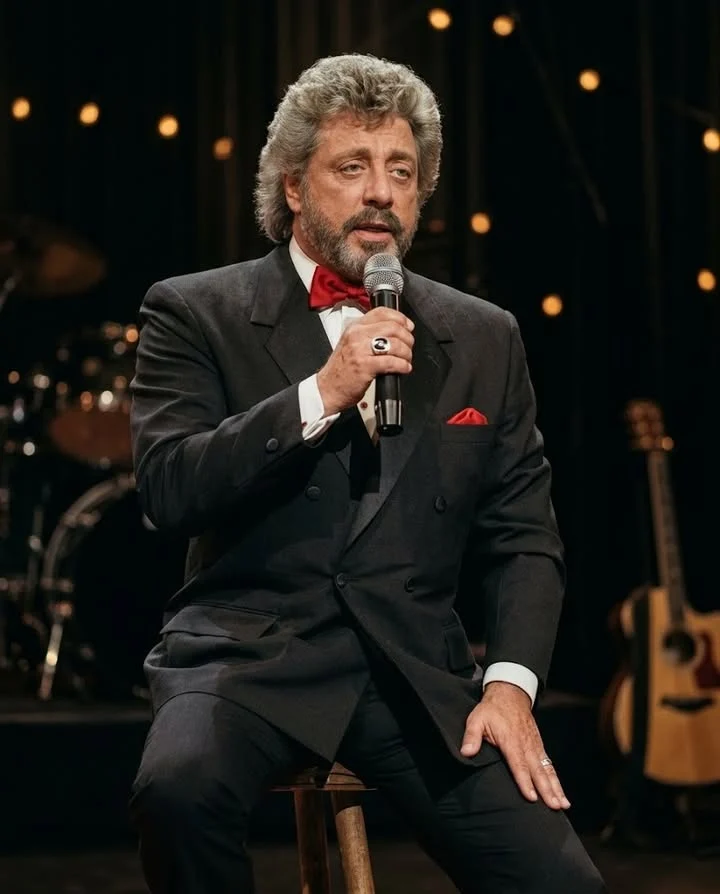
On April 24, 2020, the world was locked down and Staunton, Virginia, could not even hug Harold Reid’s wife. The man whose deep bass voice had comforted generations had died from kidney failure at the age of eighty, and a global pandemic had turned his hometown into a place of masked faces and painful distance.
Harold Reid sang bass for the legendary Statler Brothers, serving as the warm comedic and vocal anchor whose sound felt like walking into a house lit for family on a cold night. For nearly forty years, he helped bring millions together through harmony, humor, and humility. The group won three Grammys, placed thirty-three hit songs in the Top 10, and earned a permanent, undisputed place in both the Country Music and Gospel Music Halls of Fame.
Yet the deepest truth about Harold was not found under the bright lights of Nashville or Los Angeles. He never bought a sprawling estate or chased a different life. He lived his entire life in Staunton, Virginia, the same small town where he and three childhood friends first started singing gospel harmony in 1948. In an entertainment world built on constant motion and reinvention, Harold Reid chose permanence.
He was a global superstar who simply wanted to go home.
When a country music legend passes, a town usually gathers in the old way. Fans line the main streets for miles. Packed local churches overflow with mourning friends singing hymns until the wooden walls shake. But the bitter spring of 2020 allowed no such grace.
There was no massive funeral crowd. There was no packed church. There were no long, slow lines of comforting handshakes or shared stories about the good old days. Instead, the familiar streets of Staunton went quiet. The mayor laid a simple floral wreath at the local Statler Brothers monument downtown. His grieving family and the city council gathered outside in the damp spring air. They stood strictly six feet apart, their faces hidden behind masks.
A man defined by warm, human connection was mourned in cold, sterile isolation.
But a voice that deep and familiar does not simply fade into silence. The country music family found another way to hold its breath and say goodbye. Down in Mexico, Toby Keith was isolated in strict quarantine. He grabbed a cheap acoustic guitar bought from a local furniture store, sat alone on a shaded porch, and sang Flowers on the Wall straight into a glowing phone screen.
No glowing stage lights. No clapping audience. Just a lone, raw tribute drifting through cold digital static. Reba McEntire, Crystal Gayle, and the Oak Ridge Boys sent tears and recorded memories from empty living rooms. Even a devoted congressman entered Harold Reid’s name into the official Congressional Record.
They could not gather in a crowded room to offer a proper goodbye. They could only give the only thing they had left. Harold Reid never needed a massive, screaming crowd to prove his lasting worth. He built an enduring legacy on quiet loyalty, steady harmony, and simple truths. He never left home, and in the end, his beloved home had to grieve his absence from a painful distance.
Whenever you need him, Harold Reid is still there in the low notes, singing you back home.