
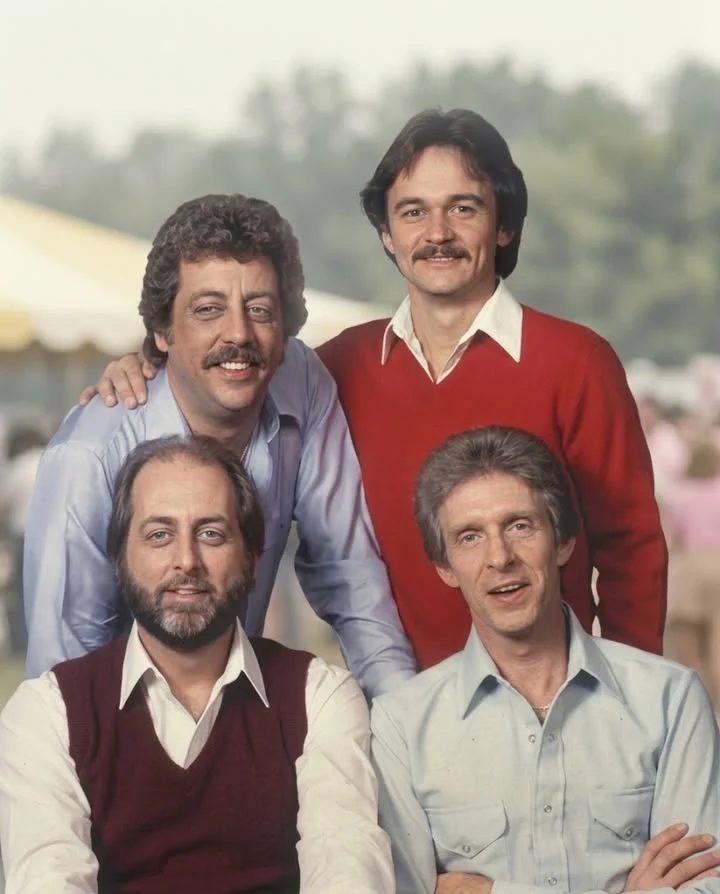
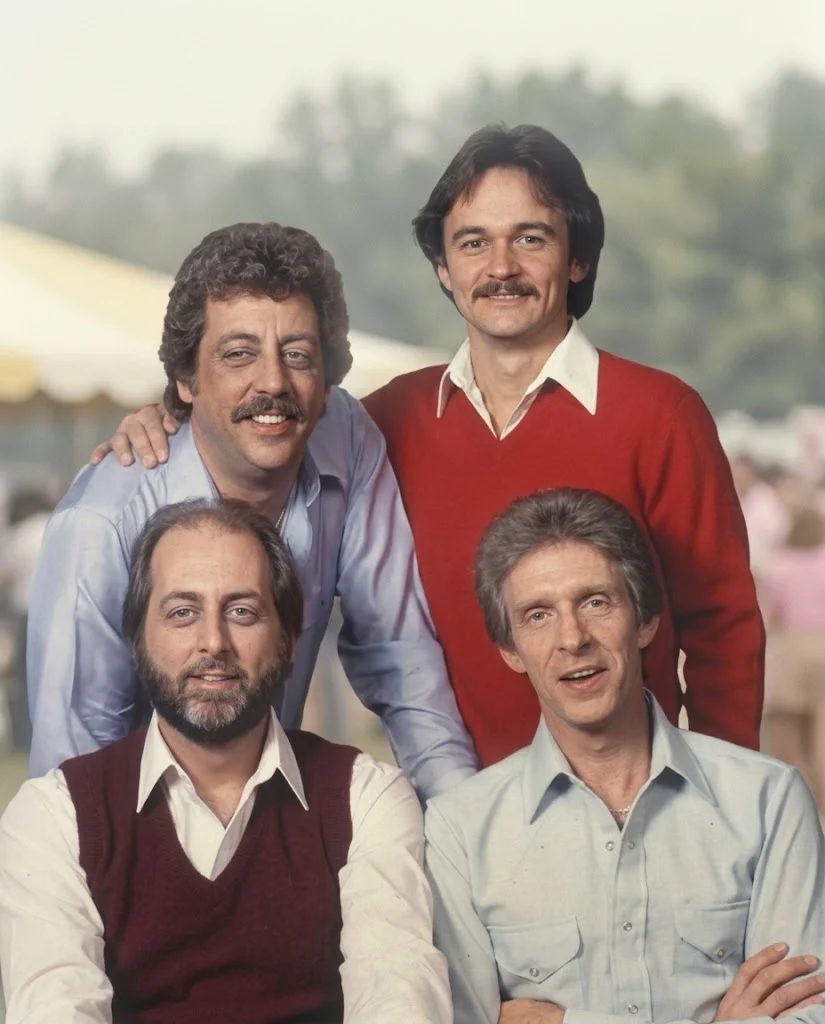
Harold Reid made a promise to himself the day the Statler Brothers started winning Grammys. His home in Staunton Virginia would remain his home no matter how many chart-topping hits they recorded. The music industry expected him to relocate to Nashville but Harold refused to trade his front porch for Music Row.
The Statler Brothers dominated country music in the 1960s and 1970s. They collected awards and landed major network appearances. Yet Harold and his bandmates did the unthinkable. They established their international headquarters in their hometown of Staunton nestled in the Shenandoah Valley.
That decision came with a grueling price. Every week their custom tour bus carried them tens of thousands of miles across North America. When the shows ended and the crowds went home the bus drove straight back east. Harold preferred sleeping in a moving bunk on long midnight interstate runs just to wake up in his own valley bed.
At home his life looked nothing like a celebrity’s. He and his wife Brenda built a quiet steadfast marriage that spanned more than fifty years. Their children attended ordinary local public schools completely shielded from the vanity of the entertainment industry.
Singing was his day job. Being a husband father and neighbor was his real life’s work
That hometown loyalty found its grandest expression in 1970 when the group launched their annual Happy Birthday USA Fourth of July celebration. What began as a modest gathering at Gypsy Hill Park in Staunton grew into one of country music’s most storied summer traditions. For twenty five consecutive years tens of thousands of fans poured into the park from across the United States. Harold insisted that admission remain entirely free turning down lucrative holiday booking offers so the band could present a gift to the neighbors who supported them from their gospel beginnings.
Behind the scenes at Gypsy Hill Park Harold oversaw everything from stage construction to coordinating local volunteer crews. He invited fellow country legends to share the outdoor stage yet the focus never shifted from community appreciation and quiet generosity.
When Monday morning arrived after a major network broadcast Harold could be seen running errands in downtown Staunton like any other resident. On Sunday mornings he took his familiar place in the pews of his local church shaking hands with lifelong friends without a trace of distance.
The Statler Brothers earned inductions into both the Country Music Hall of Fame and the Gospel Music Hall of Fame. Yet Harold’s most enduring achievement was proving that an artist could reach the peak of American culture without giving up the ground beneath his feet.
An artist can reach the pinnacle of American music without giving up the front porch that shaped him