
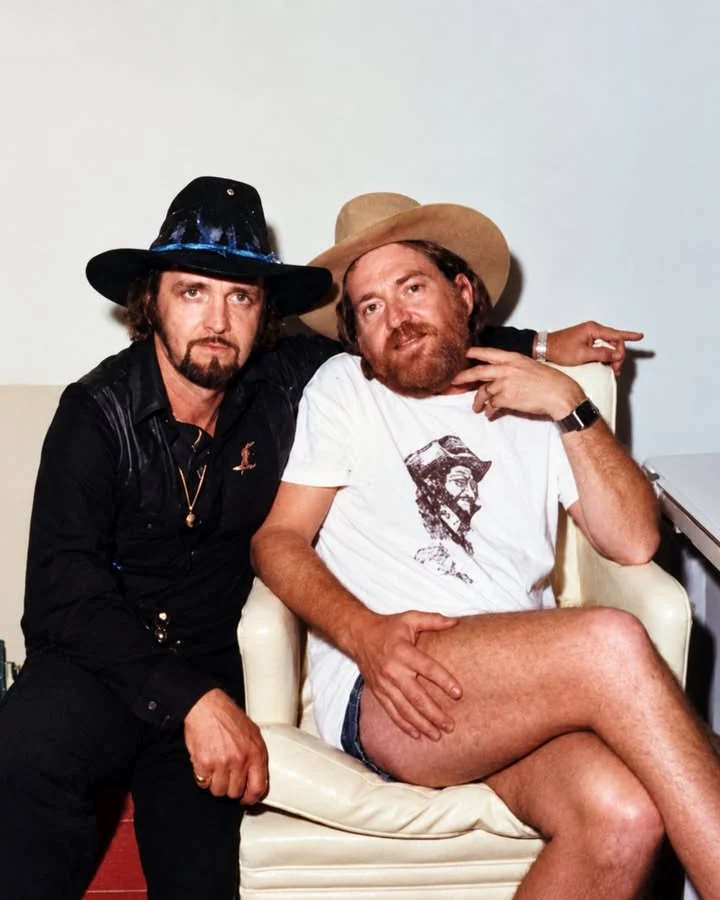
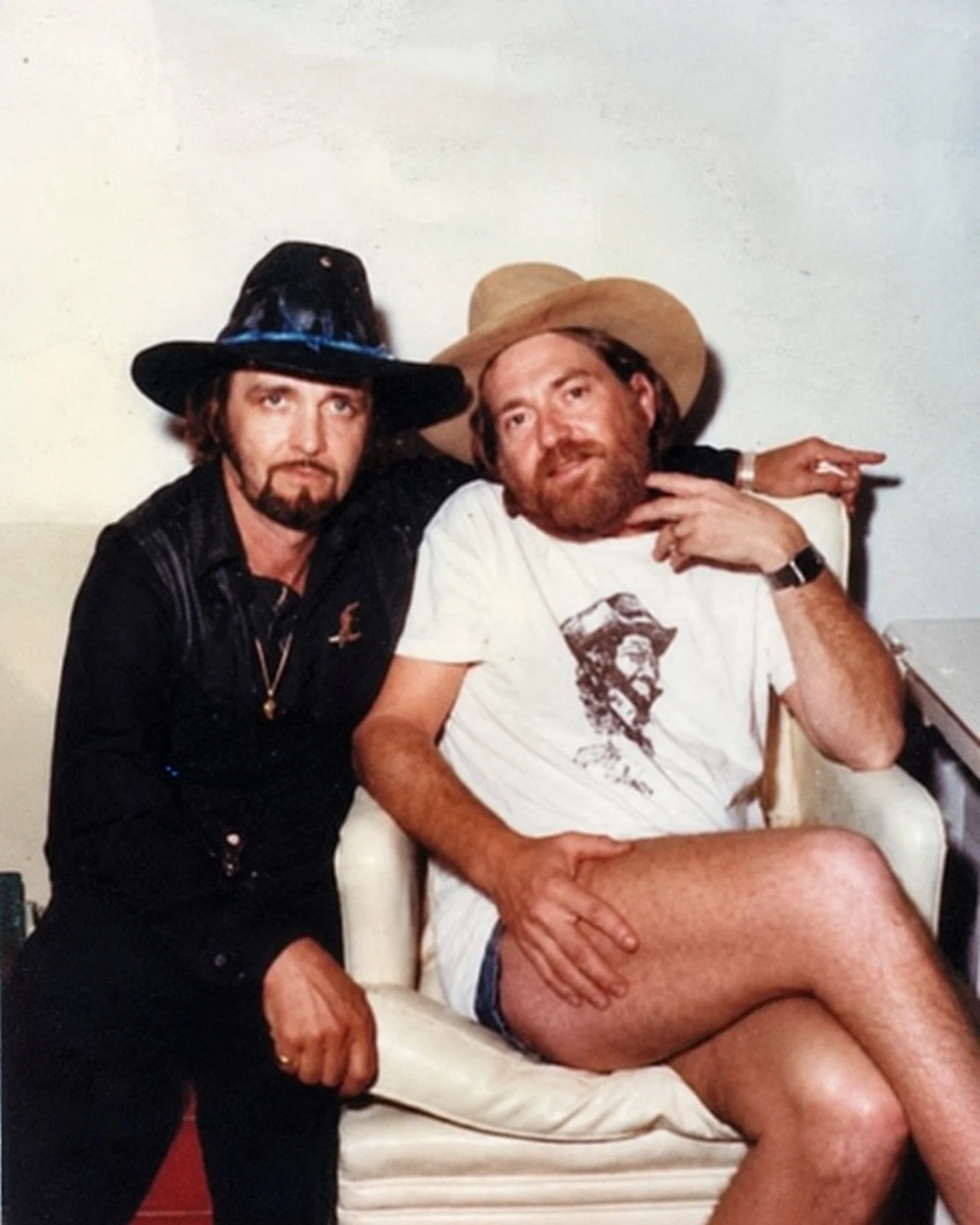
For more than half a century, Willie Nelson stood at the front of the stage and moved wherever the line carried him. Paul English sat behind him, keeping a different kind of time. When Paul died in 2020 after roughly seventy years of friendship, the music world lost not just a drummer but the silent architect of an outlaw empire.
Their story began in the rough clubs of Fort Worth. Before Willie became the face of country rebellion, Paul English was a man with cash, connections, and a reputation that made him dangerous when necessary. In 1966, when Johnny Bush left Willie’s drum chair to pursue singing, Willie asked Paul for another musician’s number. Paul told him to hire him instead. He had more confidence than experience, but he learned to follow Willie’s phrasing rather than hold him inside a rigid arrangement. That loose, responsive movement became the signature of the Family band.
Paul also took over the account books. He collected fees, paid musicians, and confronted club owners who tried to reduce the agreed payment after the final set. His appearance — pointed sideburns, a narrow goatee, and a black satin cape lined in red — became part of the show. He looked dangerous because, when necessary, he was. But most nights required less visible work. Counting money, settling payroll, and making sure the band reached the next town.
Willie wrote “Me and Paul” from the arrests, missed engagements, and worn-down miles they accumulated together. He later said practically every line had happened.
In 1973, Paul’s wife Carlene died by suicide at their home in Austin. Willie stood beside him and wrote “I Still Can’t Believe You’re Gone.” The song does not narrate her death. Its title holds the stunned repetition of someone whose mind has not caught up with absence. Willie gave the feeling a form without turning his friend’s private loss into biography.
In 1985, when Willie, Neil Young, and John Mellencamp organized Farm Aid, Paul became a founding board member and served as treasurer for years. The same man who once carried cash from Fort Worth racketeering now carried the accounts of an organization that raised millions for struggling farmers. Willie’s calm changed him gradually.
Paul himself said that he learned peacefulness and benevolence from his friend.
Paul suffered a stroke in 2010 and broke his hip in 2013. His health declined, but Willie kept him on the road as long as he could remain there. His brother Billy carried more of the percussion work. The Family adjusted around age rather than pretending it had not arrived.
Paul died from pneumonia in Dallas on February 12, 2020. Willie was eighty-six. Their friendship had lasted roughly seventy years.
Willie Nelson’s public image suggests a man who escaped structure. But Paul English supplied part of the structure that freedom required. He invested when Willie was short of money. He accepted a drum job before he was ready, then learned the leader rather than forcing the leader to follow him. He kept accounts, collected fees, protected the band, and later carried those same habits into Farm Aid. When Paul’s health failed, Willie kept a place for him within the travelling family he had helped build. The man who once supplied the money remained on the payroll when he could no longer supply the same strength.
For more than fifty years, Willie stood at the front of the stage and moved wherever the line carried him. Paul sat behind him, keeping a different kind of time.