
The gold band was finally found in a cramped cabin that had almost nothing to hide it among, and in that instant a whole winter changed. Twelve children who had raced for candy suddenly stood in the middle of a moment far bigger than sweets, while their father watched the woman he loved receive the promise he had carried in silence for years.
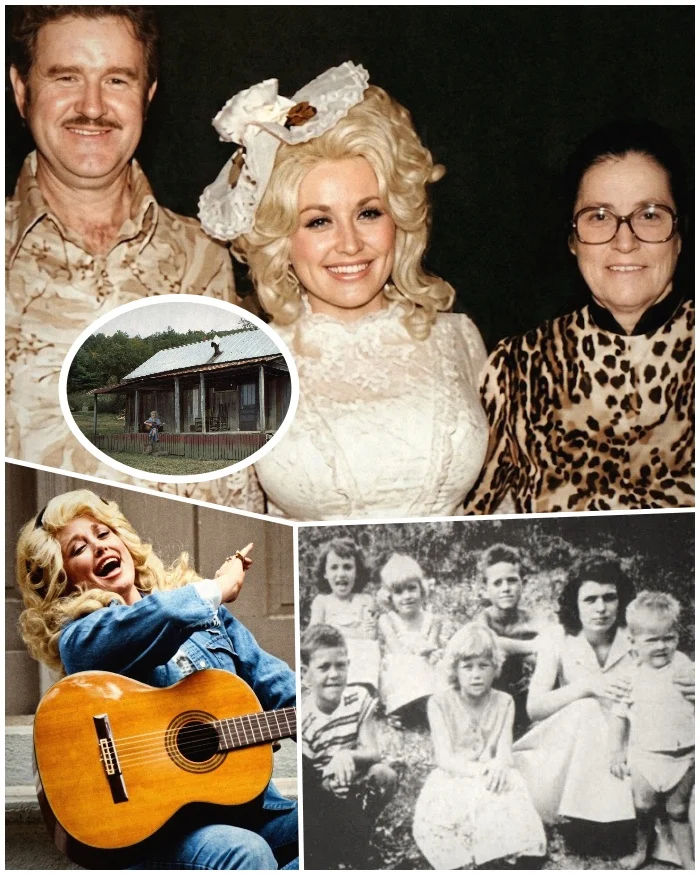
When Robert Lee Parton and Avie Lee Parton married, they did not have a single penny left for a wedding band. Their life together began in the deep hollows of the Smoky Mountains, built on hard work, faith, and whatever the rocky ground would give back.
Together they raised twelve children inside a tiny and drafty cabin at Locust Ridge in Tennessee. Every day was a test of endurance, and every meal was earned from the land around them.
For years Avie Lee wore no jewelry at all. She washed clothes by hand, cooked over a wood stove, and held her family together through bitter Appalachian poverty. Her fingers grew calloused and worn from motherhood, and there were times when the household did not know where the next meal would come from.
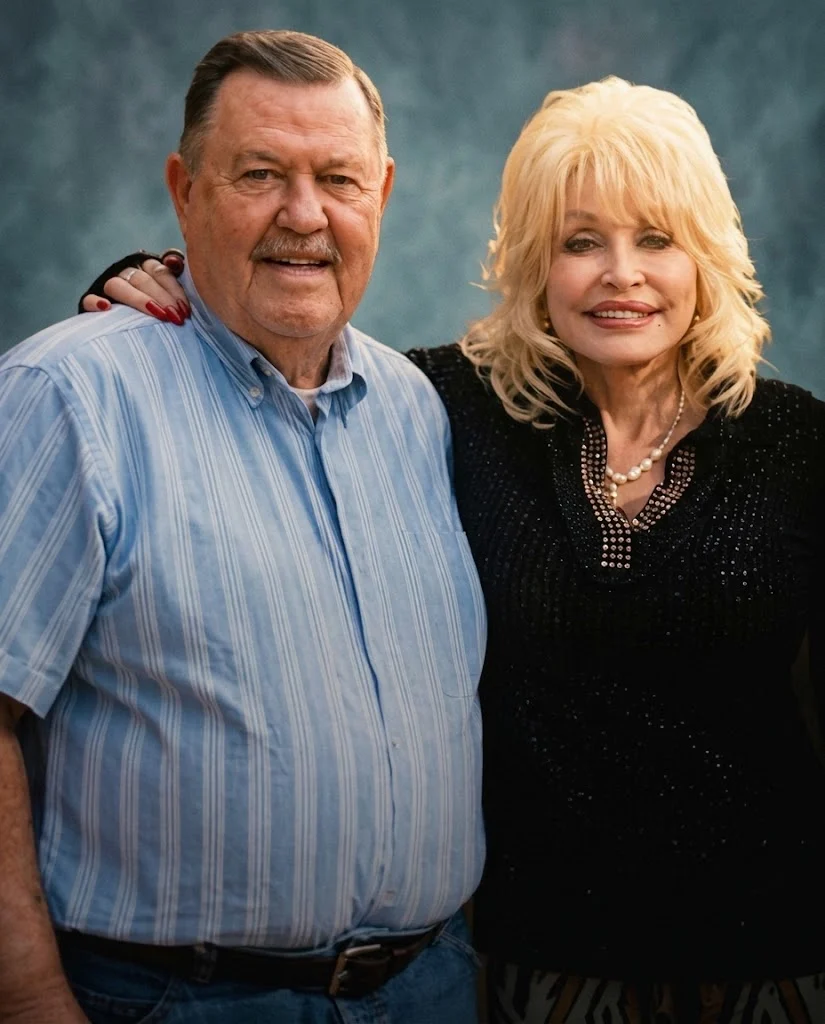
Robert was a quiet and illiterate farmer who spent his days trying to pull a living from mountain dirt. Through long seasons of sharecropping and hard side jobs, he carried a private ache that he had never given his wife a proper symbol of their marriage. Slowly and patiently, he saved until he finally had enough.
At last he bought the gold he could never have afforded on their wedding day. But he did not simply slip it onto her finger. On Christmas he hid the small ring somewhere inside their cramped cabin, gathered all twelve children, and announced a treasure hunt. The child who found the hidden object first would win a massive box of candy.
To children growing up in extreme poverty, a giant box of candy felt like an unimaginable luxury. Dolly Parton and her siblings, including her brother Denver, tore through the tiny living space at once. They searched fiercely and overturned what little they could find, desperate to win the rare prize.
The children believed they were playing a simple Christmas game in a house that rarely saw gifts. They had no idea they were hunting for something that carried years of sacrifice, love, and quiet pride.
It was not just a piece of metal. It was a quiet thank-you to the woman who had stood beside him when the family had absolutely nothing.
Robert stood back and watched the happy chaos unfold. For him the hidden ring was his proudest achievement, a delayed thank-you delivered to the woman who had kept their family alive.
When the gold band was finally discovered among the meager belongings of the cabin, the children claimed their reward with delight. The massive box of candy was opened and shared evenly among all twelve siblings, a sudden sweetness passed from hand to hand in a room that usually knew only the harsh reality of a mountain winter.
That winter night stayed with young Dolly for the rest of her life. The quiet understanding of her parents’ sacrifice became the emotional foundation for her earliest acoustic records and shaped the raw empathy heard in Coat of Many Colors. Decades later she returned to the memory directly, immortalizing the family treasure hunt in her 2016 television film and its accompanying original song Circle of Love.
At last the delayed gold was placed on Avie Lee’s weathered hand, where it remained as a quiet testament to a marriage built entirely on endurance. The ring did not erase the poverty they had lived through, but it proved they had survived it together.
The jewelry was never just a simple accessory from a store. It was physical proof that long before a daughter grew up to turn mountain dirt into musical gold, her father had already done the same thing for his family, one hard earned coin at a time.