
In the final stretch of his life, Marty Robbins wasn’t just a legend; he was a force in motion. At 57, after a career that spanned decades, he had just claimed a Top 10 hit, the Billboard Artist Resurgence Award, and a spot in the Country Music Hall of Fame. But in a cruel twist of fate, he left this world only two months later, leaving behind a story that reads like a haunting ballad.
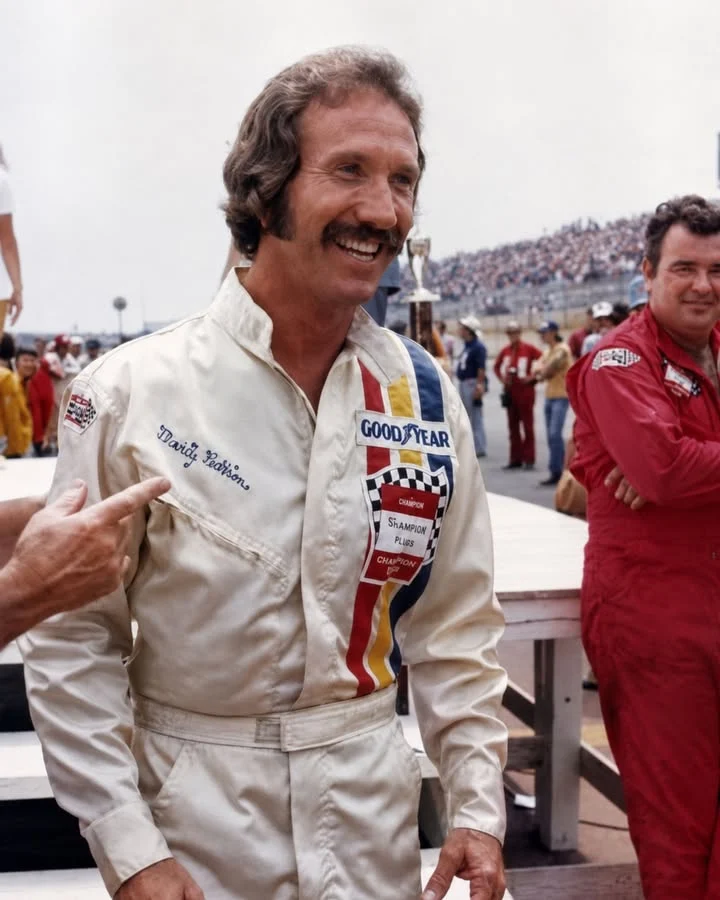
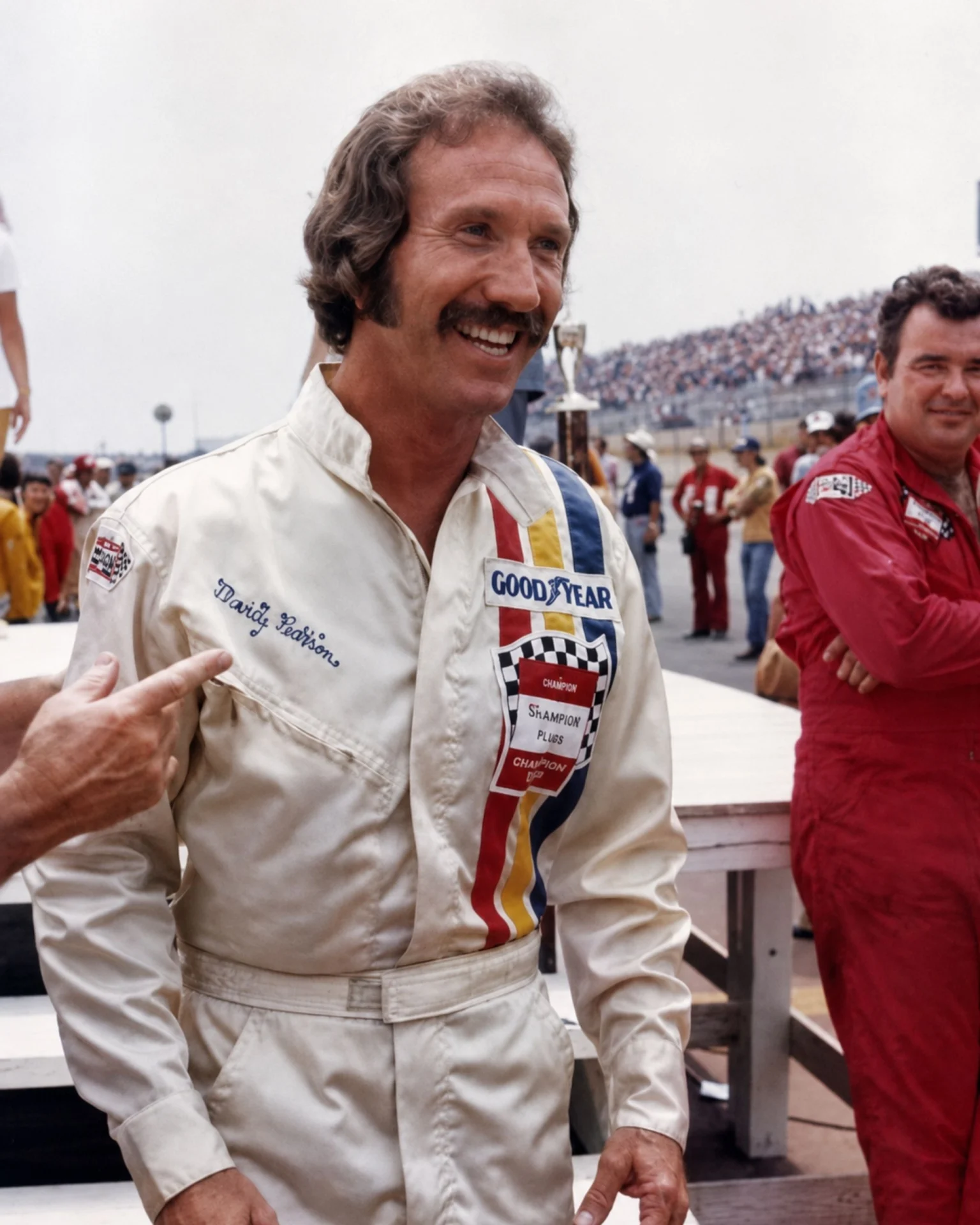
By 1982, Robbins had already lived through multiple lifetimes in country music. He was the 1950s hitmaker who crossed over into pop, the western-ballad storyteller who immortalized “El Paso,” and a Grand Ole Opry staple. He had survived heart surgery and countless NASCAR crashes, yet he never stopped chasing the next chapter.
In May 1982, his single “Some Memories Just Won’t Die” climbed into the country Top 10, proving that Robbins was not merely a figure of nostalgia but a relevant artist of his time. This song, with its hauntingly prescient title, would become his final major hit while alive.
The industry took notice. In October, Billboard honored him with the Artist Resurgence Award, celebrating his career revival. The very same month, he was inducted into the Country Music Hall of Fame, an honor that seemed to herald a new era rather than a finale.
But Robbins refused to slow down. He kept performing, recording, and even racing. In November, just weeks after his Hall of Fame induction, he competed in another NASCAR event—his last. He died on December 8, 1982, after cardiac arrest, leaving the world stunned.
“The timing gave 1982 an almost poetic weight—a year that felt like a second chapter, only to become an ending.”
The song “Some Memories Just Won’t Die” turned from a love song into an epitaph. It captured the essence of a man who refused to be forgotten, who kept moving until his heart gave out. His story isn’t just about a career; it’s about the relentless spirit of an artist who left a legacy that continues to echo.