
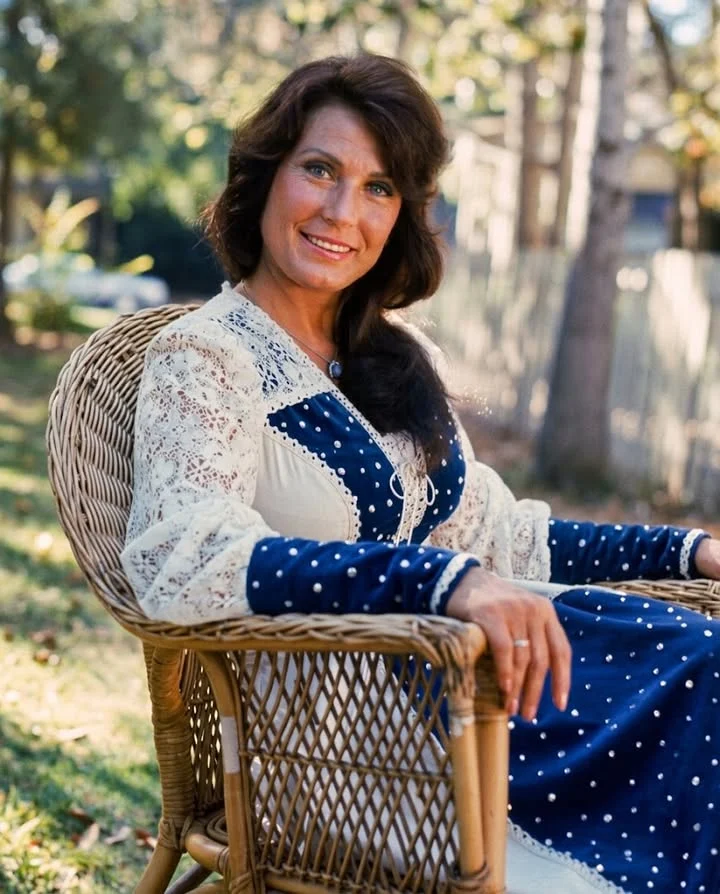
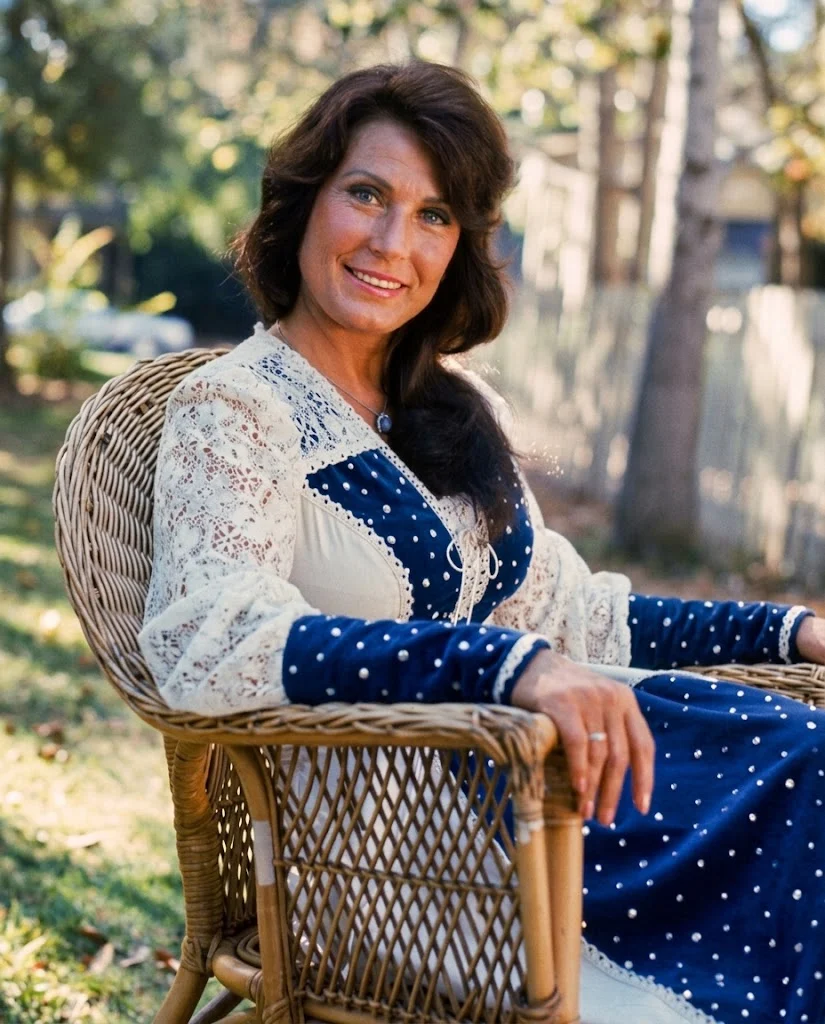
A 15-year-old girl once cried in a freezing Washington logging camp far from the familiar hills of Butcher Holler, Kentucky.
Before the Grand Ole Opry lights and before the legendary anthems that changed country music, Loretta Lynn was a pregnant teenager leaving home with her husband Oliver Doolittle Lynn.
They traveled thousands of miles to Custer, Washington, searching for work in the harsh post-war timber industry.
Doo spent his days in the grueling logging camps while Loretta carried the weight of survival at home. At just 16 she gave birth to her first daughter, Betty Sue.
Isolated in a freezing climate without her mother or sisters to guide her, she learned how to raise a child and keep a household running in absolute poverty.
Her hands cracked and bled from scrubbing pine sap and mud off heavy work clothes. To break the deafening silence of her loneliness, she sang the old Appalachian folk songs of her childhood while sweeping floors and tending to the stove.
She did not know she was practicing for a career. She was simply trying to survive being far from home.
That quiet survival mechanism changed everything. Doo heard his young wife singing through the struggle and bought her a $17 Harmony guitar from a catalog.
The same calloused hands that washed laundry on a metal scrub board began learning chords. She spent hours teaching herself and slowly turned private pain into the raw, unapologetic voice of working-class women everywhere.
That modest $17 instrument became the catalyst for everything that followed. After mastering the guitar, she began writing her own songs and performing at local Washington taverns wearing western fringe dresses she carefully sewed herself.
Her local success caught the ear of Zero Records, a small independent label in Los Angeles. In the early months of 1960, she stepped into a recording studio and cut a song she had written about a woman she met in a Washington bar titled “I’m a Honky Tonk Girl”.
Securing a record was only the first step. With no promotional budget and no major label support, Loretta and Doo packed their young family into a 1955 Ford and embarked on a grueling cross-country road trip to promote the single.
They survived on bologna sandwiches and slept in the car for months. They stopped at every small-town country radio station they could find and walked in unannounced to hand-deliver her record directly to the disc jockeys.
That relentless drive eventually brought her back across the country to Nashville. By the fall of 1960, the teenage mother from a logging camp was stepping into the wooden circle of the Grand Ole Opry for the very first time.
She brought something into that room that the polished country music industry could not manufacture. Loretta did not just sing about the hardships of rural women. She had lived every single line of it.
She proved that the most powerful force in country music was not a carefully crafted image. It was the unvarnished truth.
For decades, millions of women listened to her records because she gave them a mirror. She reflected their own struggles with marriage, motherhood, and making ends meet, and delivered them with a fierce independence they deeply understood.
She built a permanent historical legacy out of her hardest days. The journey from Butcher Holler to the top of the charts was paved by thousands of miles and countless sacrifices.
It all started with a $17 guitar and a voice that refused to stay quiet.