
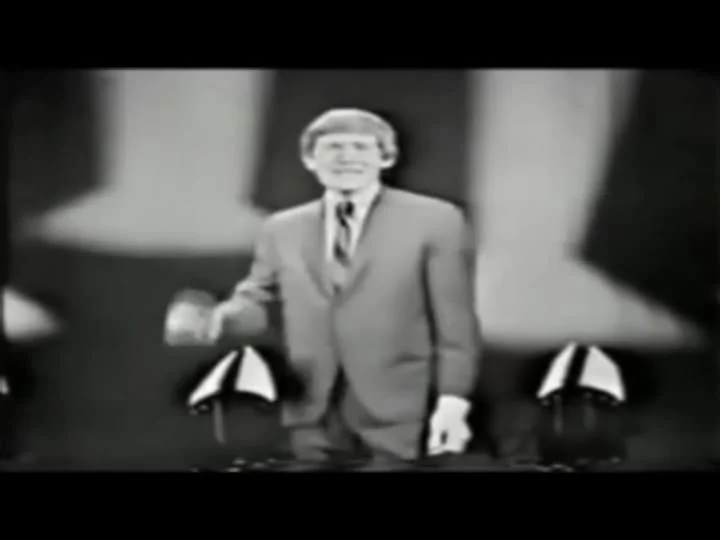
Every outsider knows the specific ache of looking in from the outside. Billy Joe Royal gave that feeling a voice in 1965. His song Down In The Boondocks begins with a nervous strum on an acoustic guitar. It sounds less like a calculated pop hit and more like a whispered confession from a distant room. The track has the intimate feel of a secret being shared in the small hours of the night.
Released on Columbia Records, it became Royal’s defining moment. The song soared into the top ten of the Billboard Hot 100 and launched the career of a young Southern vocalist. He had been honing his craft in Georgia clubs like the famous Bamboo Ranch. He went from a regional fixture to a national voice almost overnight.
The genius behind the song is largely due to its writer and producer, Joe South. South was an Atlanta session musician and a close friend to Royal. He would later achieve massive success with his own hit Games People Play. The recording took place in a converted schoolhouse auditorium. Legend has it that the distinctive reverb effect was achieved using a septic tank. Some sources say the session was intended as a demo for Gene Pitney. Royal himself later disputed this specific intention. What remains clear is that the final product captured something uniquely powerful and timeless.
The arrangement is a masterclass in musical contrast. A gritty lead guitar represents the narrator’s humble origins. Against this, polished strings and brass jabs represent the unattainable world of the girl on the hill. The piano serves as a solid anchor, providing a bedrock of Southern rock rhythm. Royal’s vocal performance is the true star of the track. He sings with an urgent, pleading tenor voice. His phrasing is immaculate, a testament to his years on the club circuit. He stretches key vowels to emphasize the social distance. “Every night I watch the light from that house up on the hi-ill.”
It is the sound of a young man punching through a social ceiling, wrapped in a dramatic orchestral hug.
The song’s narrative is simple but profound. It is a Romeo and Juliet story framed by socioeconomic walls. The narrator is a poor boy from the boondocks who loves the daughter of his boss. He does not just wallow in self-pity. He resolves to find a way to move out of his old shack. This turns the lament into a quiet declaration of ambition. It offers catharsis rather than just pity.
Why does this song still resonate today? It speaks directly to anyone who has ever felt judged by their origins. Whether your boondocks is a literal shack or just a sense of being socially excluded, the message lands. It is a blueprint for emotional honesty. Modern listeners are constantly searching for that moment of authentic connection. This song delivers it.
The track defined the Swamp Rock and Country Soul sound bubbling up from studios in Atlanta and Muscle Shoals. It synthesized R&B vocal styles, country lyricism, and pop orchestration. It is a sound cherished by those who invest in premium audio equipment to dissect these rich, layered analog recordings. The song’s enduring presence has been reinforced by artists covering it across multiple genres over the decades. It is more than a hit record. It is a standard.
Listening Recommendations
- Gene Pitney “Twenty Four Hours from Tulsa” (1963) for the same brand of melodramatic epic pop-rock storytelling
- The Box Tops “The Letter” (1967) shares the grit of Southern rock production blended with soul-influenced vocals
- Joe South “Games People Play” (1968) displays the same Southern-rock-meets-pop sensibility
- Roy Orbison “Crying” (1961) features a similarly soaring operatic tenor vocal performance
- The Classics IV “Spooky” (1967) is another prime example of the lush Atlanta Sound
- Johnny Rivers “Poor Side of Town” (1966) directly addresses the same theme of class divide and forbidden love