
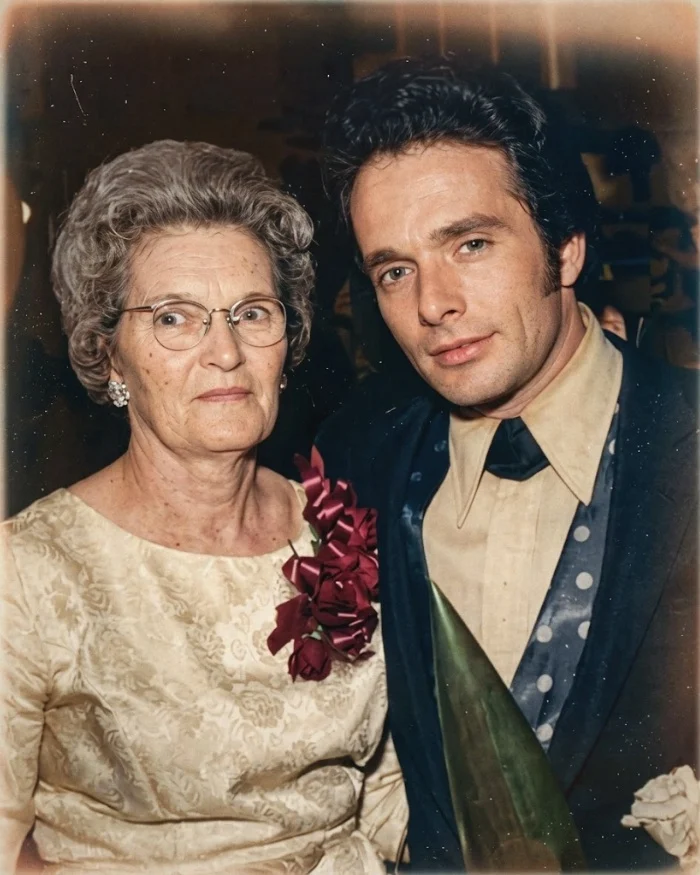
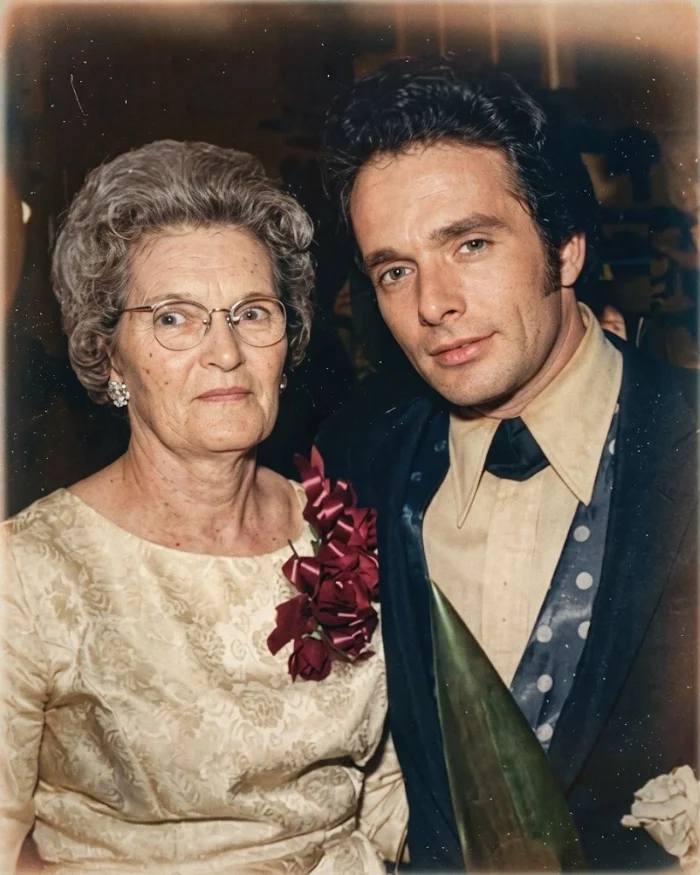
From the grim concrete walls of San Quentin to the pinnacle of country music history, Merle Haggard’s journey remains one of redemption’s most powerful testaments.
In February 1958, twenty-year-old Merle Haggard walked into San Quentin State Prison as inmate A-45200, leaving his widowed mother, Flossie Mae, grieving back in Oildale, California. Their hardships had taken root twelve years earlier when nine-year-old Merle watched his father pass away from a sudden brain hemorrhage inside their modest converted boxcar home. Left to raise three children alone, Flossie Mae worked long hours as a bookkeeper while young Merle drifted away, skipping school, hopping freight trains, and escaping youth detention facilities seven separate times before his twentieth birthday.
I turned twenty-one behind bars, staring down a future of hardened concrete and broken promises while my mother prayed alone at home.
The breaking point arrived following a botched December 1957 roadhouse burglary in Bakersfield and a subsequent failed county jail break. Behind maximum-security gates, a harsh reality check unfolded. After a stint in solitary confinement for brewing prison beer, a sobering conversation with death-row inmate Caryl Chessman, and witnessing the tragic execution of a fellow prisoner after a failed escape attempt, Merle finally chose a different path. He requested a transfer to the prison textile mill, earned his GED, and focused on music.
Paroled in March 1960 with fifty dollars in his pocket, he went straight to work digging ditches and pulling electrical wire for his brother’s construction company by day while playing music at night. In 1968, he channeled his past into a timeless public apology to his mother. Recorded in Hollywood, “Mama Tried” captured the raw weight of regret and redemption, spending four weeks at number one on the Billboard country chart.
Before her passing in 1976 at age seventy-seven, Flossie Mae lived to see California Governor Ronald Reagan grant her son a full pardon. At concerts across the state, the mother who once received late-night police calls sat proudly in the front row, smiling quietly as her son dedicated his signature song to her before thousands of roaring fans.