
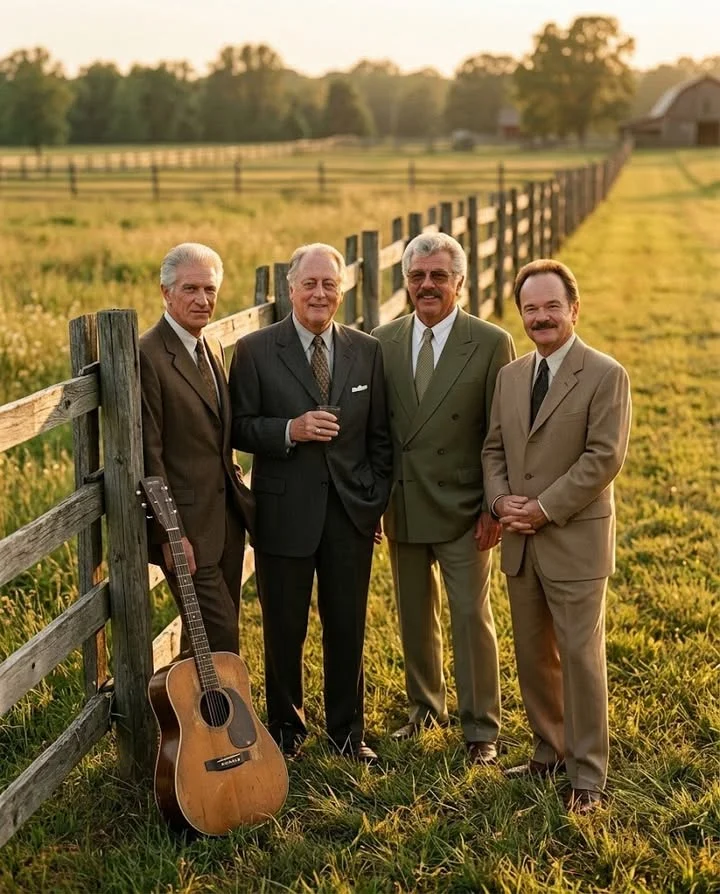
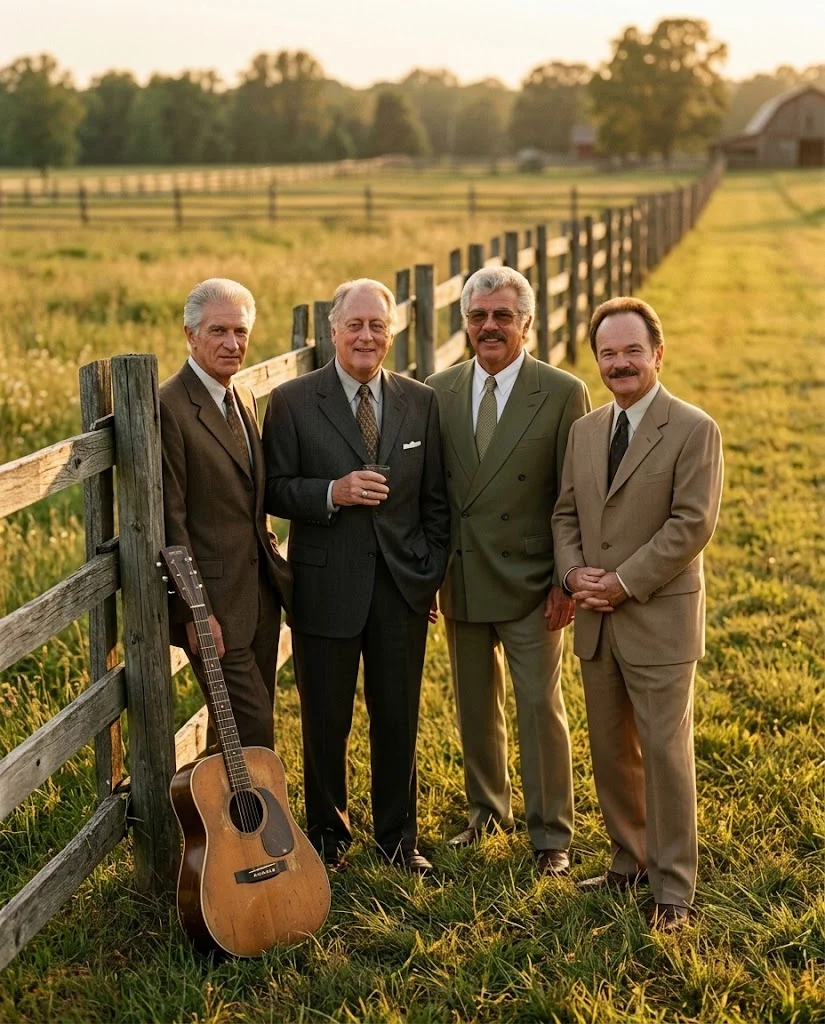
Jimmy Fortune stood backstage in Savannah and felt the weight of twenty years of country music history pressing down on his chest. The Statler Brothers had just lost the voice fans adored, and the new tenor had to walk into a blinding spotlight without becoming a shadow.
In 1982, founding tenor Lew DeWitt had to give up his microphone after two decades with The Statler Brothers. Crohn’s disease had turned touring into an exhausting battle, and his body could no longer carry the demands of the road.
For fans, DeWitt was irreplaceable. He helped build the group’s soaring harmony and wrote the breakthrough hit Flowers on the Wall. Yet he already knew the stranger who could step into his seat.
A year earlier, DeWitt had heard a 26-year-old local singer at Wintergreen ski resort in Virginia. That singer was Jimmy Fortune. DeWitt heard a voice Nashville had overlooked, and he used his reputation to convince his bandmates to take the unknown young man seriously.
The first shows were terrifying. Fortune faced longtime fans who had bought tickets hoping to see DeWitt. He was so nervous that he sometimes forgot the words to familiar songs. The band covered for him on stage and gave the audience time to accept the new tenor.
DeWitt and his bandmates gave Fortune a simple backstage blessing that changed everything.
Do not try to be Lew DeWitt and just go out there and be Jimmy
Fortune carried that advice through the hardest nights. He did more than survive the transition. He became a writer whose songs lifted The Statler Brothers into their biggest chapter.
When DeWitt’s temporary leave became a permanent departure, Fortune stepped fully into the role and began shaping the band’s future from the back of a tour bus.
He wrote Elizabeth, My Only Love, Too Much on My Heart, and More Than a Name on a Wall. Elizabeth was inspired by a movie the band watched on the road, and it quickly soared to number one. Those songs carried the group to number one and proved the replacement was not a stopgap.
Watching someone else take your life’s work to new heights could wound a musician’s pride. DeWitt watched from a distance with quiet pride instead. He had handed over his musical family to protect the harmony.
Lew DeWitt passed away in August 1990. Fortune still calls him the guardian angel of his career. The Statler Brothers endured because a legend knew when to step aside and because a terrified young singer was allowed to find his own voice.